The FIFO Blast Crew Pathway: How to Get Hired as a Shotfirer's Assistant
Looking for a high-paying entry-level FIFO role that isn't driving a truck? Learn how to break into the mine site blast crew as a Shotfirer's Assistant.
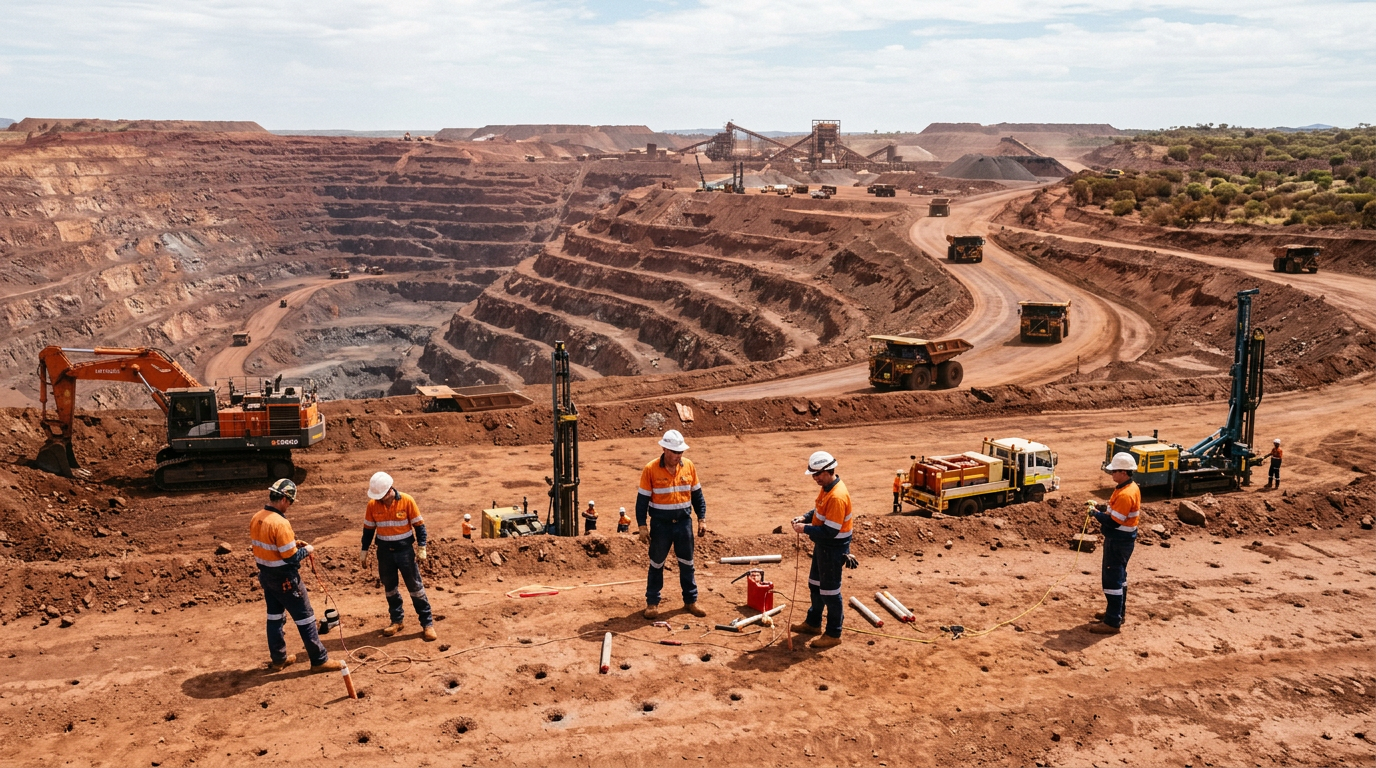
In the Australian mining industry, the drill and blast department is the engine room of the entire operation. Before massive excavators can load ore into haul trucks, the solid rock must be shattered into manageable pieces. This is where the blast crew comes in. Working on the 'bench'—the flat, drilled-out area of an open-cut pit—the blast crew prepares, loads, and executes the detonations that keep the mine moving. For entry-level job seekers, a role as a Blast Crew Hand or Shotfirer's Assistant represents one of the most lucrative and active pathways into mining.
What is a Blast Crew and Why is it a Great Entry-Level Route?
In the Australian mining industry, the drill and blast department is the engine room of the entire operation. Before massive excavators can load ore into haul trucks, the solid rock must be shattered into manageable pieces. This is where the blast crew comes in. Working on the 'bench'—the flat, drilled-out area of an open-cut pit—the blast crew prepares, loads, and executes the detonations that keep the mine moving. For entry-level job seekers, a role as a Blast Crew Hand or Shotfirer's Assistant represents one of the most lucrative and active pathways into mining.
Unlike dump truck traineeships, which are highly competitive and often flooded with thousands of applicants, blast crew positions are frequently overlooked. Many job seekers simply do not understand what the job entails or assume it requires highly specialised qualifications from day one. In reality, contracting companies and mining majors are constantly looking for physically fit, safety-conscious individuals to join their blast crews as entry-level assistants, teaching them the ropes from the ground up.
The appeal of this pathway lies in its combination of high starting pay, active outdoor work, and clear career progression. If you dread the thought of sitting in a truck cabin for 12 hours a day or scrubbing dishes in a village kitchen, the blast crew offers a dynamic, team-oriented alternative. You are active, working under the sun, and learning a highly specialised skill set that is in demand across every mining state in Australia, from the Pilbara in Western Australia to the Bowen Basin in Queensland.
Day-to-Day Realities of a Shotfirer's Assistant
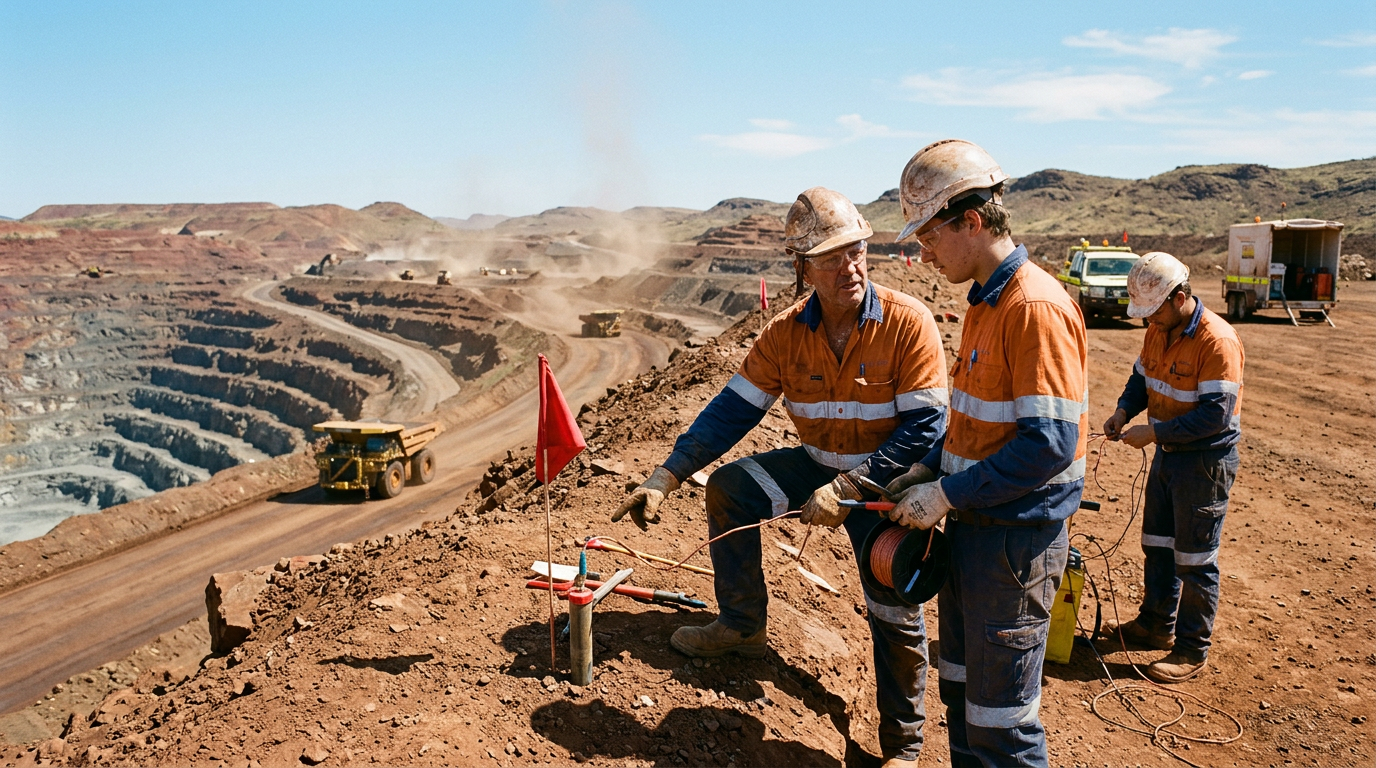
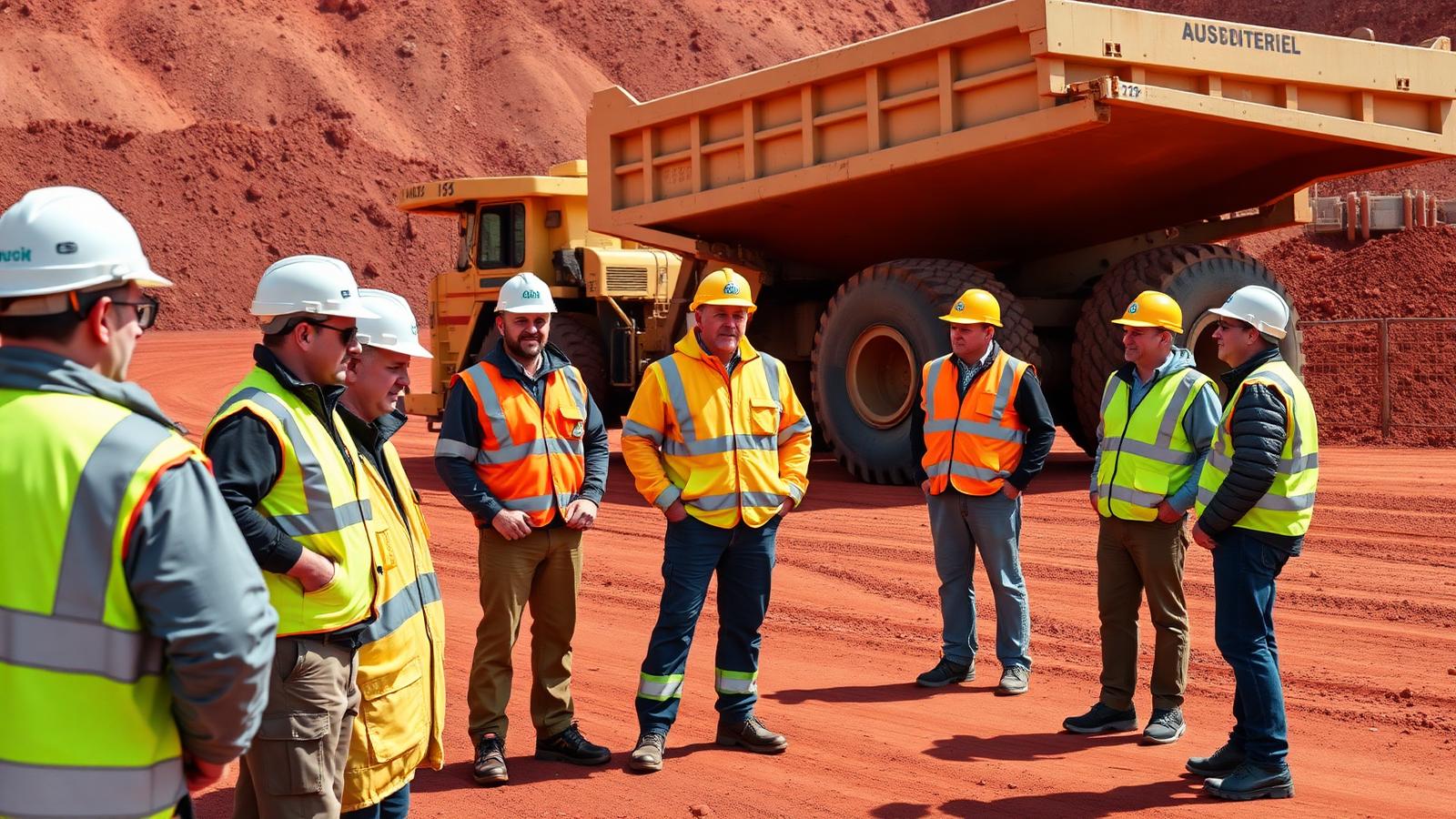
The primary job of a Shotfirer's Assistant is to support the Shotfirer, who is the licensed professional legally responsible for the storage, handling, and initiation of explosives on-site. When you step onto the bench at the start of a shift, your day begins with a comprehensive safety briefing. The team reviews the blast plan, identifies potential hazards, and establishes exclusion zones. From there, the physical work begins, and it is highly demanding.
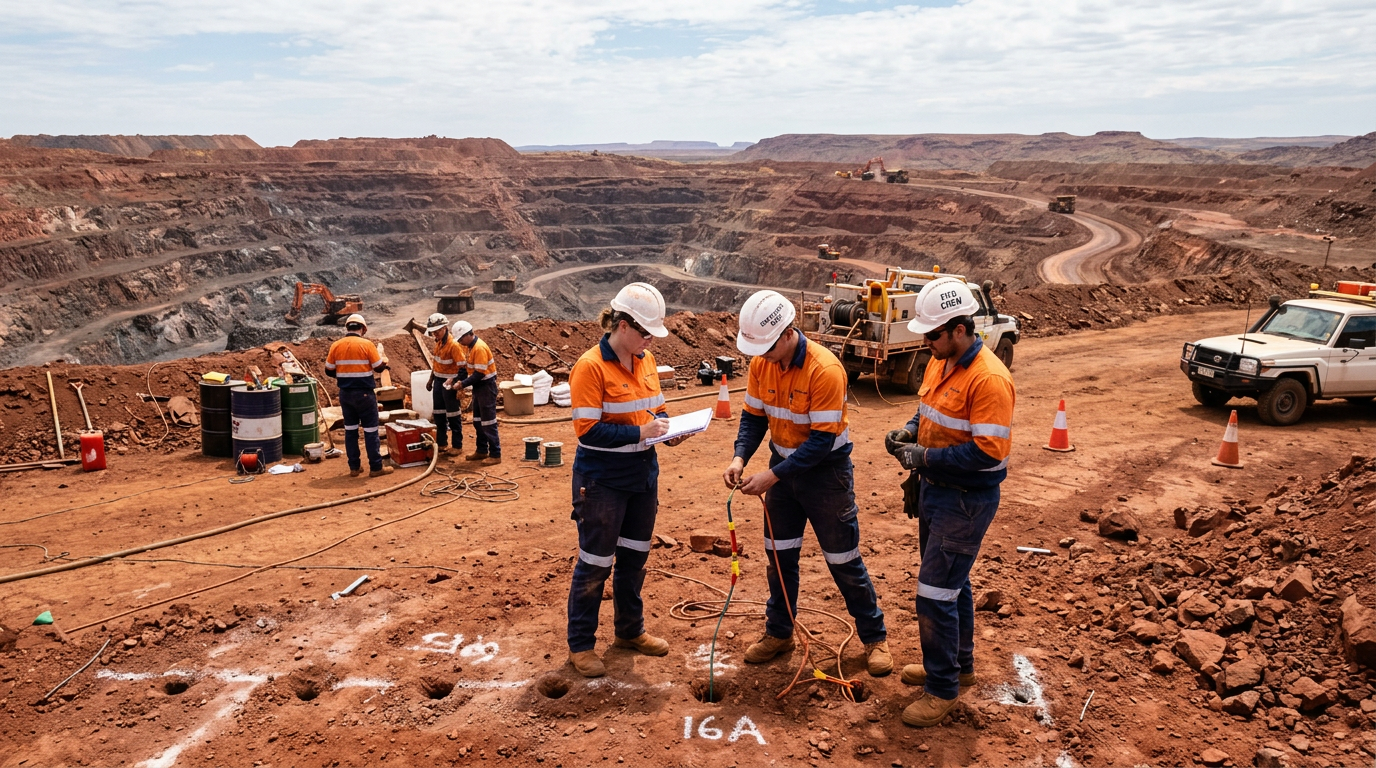
One of your main tasks is preparing the blast holes. After the production drills have finished, you will measure the depth of the holes to ensure they haven't caved in or filled with water. If water is present, you may need to assist in dewatering them. Next comes the process of 'priming' and 'loading'. You will assist in lowering primers (small booster charges attached to detonators) down the holes, followed by the bulk explosive product, which is pumped directly from a specialised Mobile Manufacturing Unit (MMU) truck.
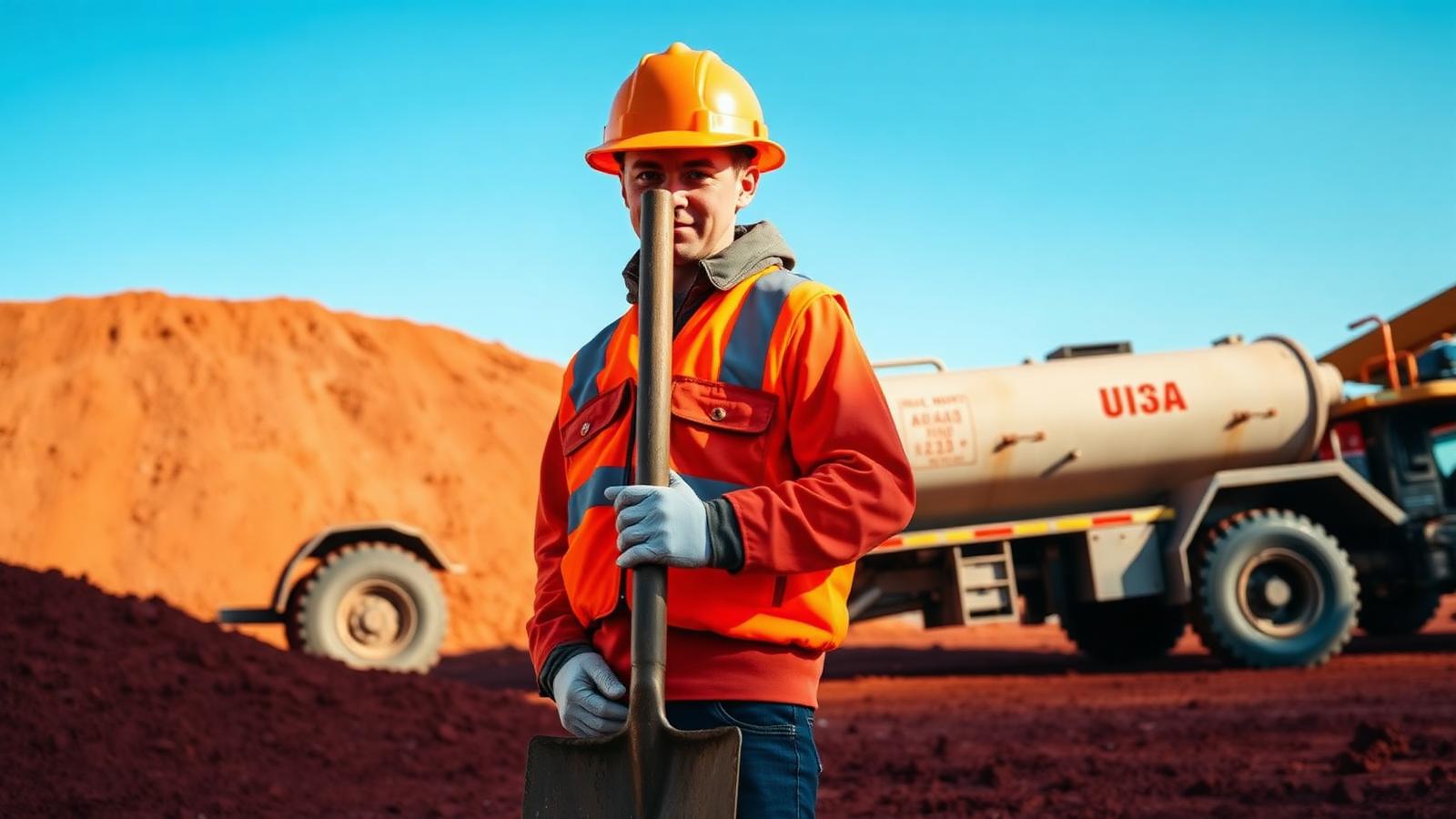
Once the holes are loaded with explosives, they must be 'stemmed'. Stemming involves filling the remaining top portion of the hole with a specific aggregate, usually crushed gravel, to lock the explosive energy in the ground when it detonates. This is often done using a small loader, but manual shovelling is frequently required to clean up around the holes. Finally, you will help the Shotfirer 'tie in' the blast, connecting the detonators in each hole using non-electric shock tubes or electronic surface relays to create a controlled firing sequence.
Essential Tickets, Clearances, and Licenses
Because you will be working directly with high explosives, the barrier to entry is slightly different than other utility or laboring roles. The absolute baseline requirement for any blast crew position is a National Police Clearance (NPC), which must be clean and usually less than three to six months old. If you have a significant criminal history, particularly involving violence, theft, or weapons, you will struggle to secure the necessary clearances to work on a blast bench.
State-specific security clearances are mandatory before you can handle explosives. In Western Australia, you must obtain a Dangerous Goods Security Card (DGSC) issued by the Department of Energy, Mines, Industry Regulation and Safety (DEMIRS). In Queensland, you will need a Security Clearance (Explosives) issued by Resources Safety & Health Queensland. These clearances involve rigorous background checks by state police and federal agencies. Securing these cards independently before applying can make your resume incredibly attractive to employers, as it eliminates a major onboarding delay.
Beyond security clearances, a heavy vehicle driver's license is highly regarded. While a manual C-Class car license is the bare minimum, holding a Heavy Rigid (HR) or Heavy Combination (HC) license is a massive advantage. Blast crews operate large, complex support vehicles and MMU trucks; being licensed to drive these vehicles makes you twice as valuable to a supervisor. Additionally, basic mining tickets such as Working at Heights and First Aid will round out your profile nicely.
The Physical and Environmental Challenges
It is crucial to be realistic about the physical demands of this role. The blast bench is entirely exposed to the elements. In the Pilbara or the Goldfields, summer temperatures on the black rock of an open pit can easily exceed 45 degrees Celsius. In winter, or in the southern coal mines of New South Wales, you may find yourself working in freezing, muddy conditions. You will be on your feet for the majority of your 12-hour shift, wearing heavy steel-capped boots, high-visibility clothing, safety glasses, gloves, and a hard hat.
The manual labor is continuous. You will be lifting and carrying boxes of boosters, dragging heavy hoses from the MMU truck, and shovelling stemming material. This is not a job for anyone with pre-existing back, knee, or shoulder issues. The pre-employment medical for a blast crew position is rigorous, focusing heavily on cardiovascular fitness, core strength, and joint mobility.
Mental stamina is equally important. Working around explosives requires absolute, unwavering focus. There is zero room for horseplay, complacency, or cutting corners. Every step of the blast process must be executed precisely according to strict Standard Operating Procedures (SOPs). A single dropped tool or a misconnected wire can cause a misfire, halting mine production for hours or creating a severe, highly dangerous recovery situation.
How to Tailor Your Resume for Blast Crew Jobs
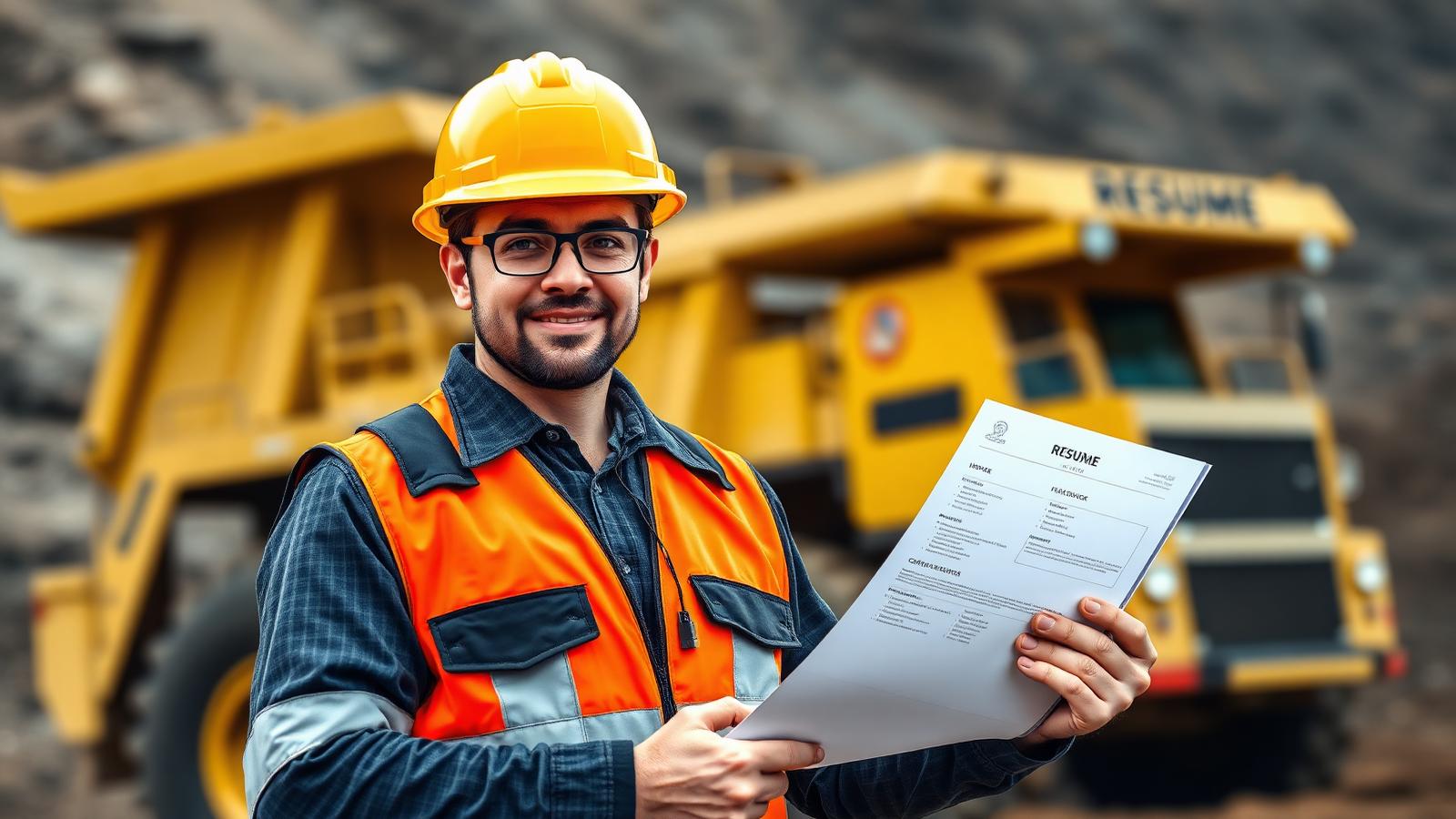
If you do not have prior mining experience, your resume must convince a recruiter that you can handle the physical workload and thrive in a high-risk environment. The best way to do this is to highlight any heavy outdoor laboring experience. If you have worked in civil construction, agriculture, concrete pouring, commercial landscaping, or forestry, put this front and center. These roles demonstrate that you are accustomed to physical work in harsh Australian weather.
Secondly, emphasize your safety record. If you have worked in industries with strict safety protocols—such as warehousing, rail, or manufacturing—explain how you followed those procedures. Mention your experience with Job Safety Analyses (JSAs), Take 5 safety checks, and hazard identification. Recruiters want to know that you can follow instructions to the letter without supervision.
Finally, clearly list your licenses and clearances at the very top of your resume. If you already hold an HR license and a state-issued Dangerous Goods or Explosives Security Clearance, state this in bold text in your professional summary. Many recruitment algorithms and HR coordinators screen resumes specifically for these keywords; having them prominent ensures your application gets fast-tracked.
Earnings, Rosters, and Career Progression
Entry-level Blast Crew Hands generally start on a highly competitive salary compared to other entry-level mine site roles. Starting hourly rates typically range from $42 to $50 per hour, which equates to an annual income of approximately $110,000 to $130,000, depending on the roster. The most common rosters for blast crews are even-time swings, such as 2 weeks on, 2 weeks off, or lifestyle-friendly swings like 8 days on, 6 days off.
The career progression within drill and blast is rapid and highly lucrative. After 12 to 18 months of proving your reliability and work ethic as a bench hand, you can progress to operating the MMU (Mobile Manufacturing Unit). Operating these highly technical, multi-million-dollar trucks requires specialized training in chemical mixing and pumping systems, and usually pushes your earnings north of $140,000 per year.
The ultimate goal for many on the bench is to become a qualified Shotfirer. This requires completing a Certificate III in Surface Extraction Operations (specifically the blasting modules) and logbook hours under the supervision of a licensed Shotfirer. Once you obtain your state-issued Shotfirer's Licence, you become one of the most vital personnel on the mine site, with salaries easily reaching $160,000 to $190,000+ per year. From there, pathways lead into Drill & Blast Superintendent roles, technical design, or consulting.
Where to Apply: Major Employers and Contractors
When looking for blast crew opportunities, do not limit your search to major mining companies like BHP or Rio Tinto. While these owner-operators do hire blast crews, the vast majority of drilling and blasting across Australia is outsourced to specialized tier-one contractors and global explosives manufacturers. Targeting these companies directly is the most effective strategy for securing your first role.
Global explosives giants such as Orica, Dyno Nobel, Maxam, and BME are constantly hiring. These companies manufacture the explosives and provide complete blasting services to mine sites, meaning they employ massive workforces of shotfirers and assistants nationwide. Additionally, major mining services contractors like Action Drill & Blast, Ausdrill, and specialized labor-hire agencies such as WorkPac, Programmed, and One Key Resources regularly advertise entry-level blast hand roles.
When applying, be prepared to undergo a thorough recruitment process. This will include a phone screen, a face-to-face or video interview, a comprehensive pre-employment medical with drug and alcohol screening, and background checks. If you present yourself as a reliable, physically fit, and safety-focused individual with the right licenses in hand, the blast crew pathway can launch you into a highly successful, six-figure FIFO career.