The FIFO Exploration Field Assistant Pathway: How to Land a 'Fieldy' Job in Australian Mining
Looking for an entry-level FIFO job that doesn't require trade qualifications or brutal physical labor? Discover how to become a FIFO Exploration Field Assistant in Australia.
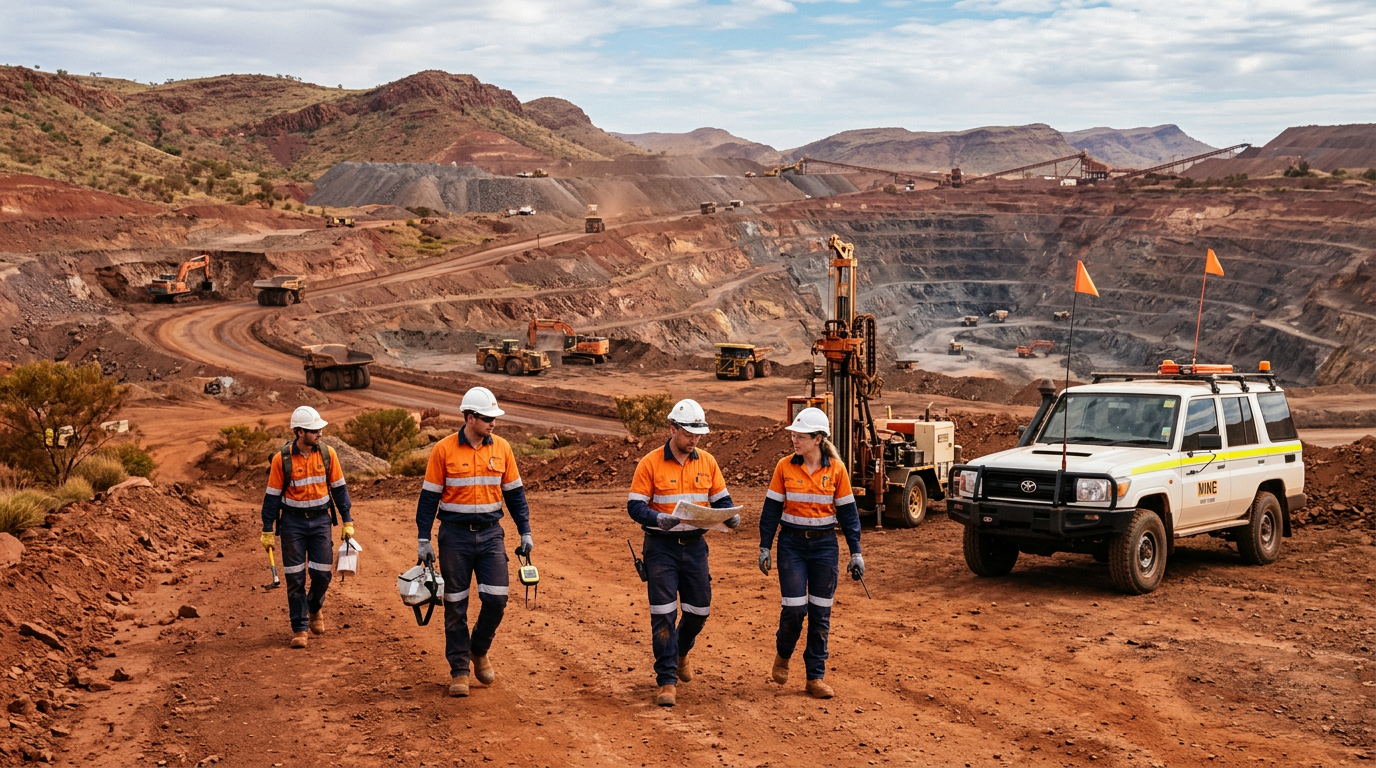
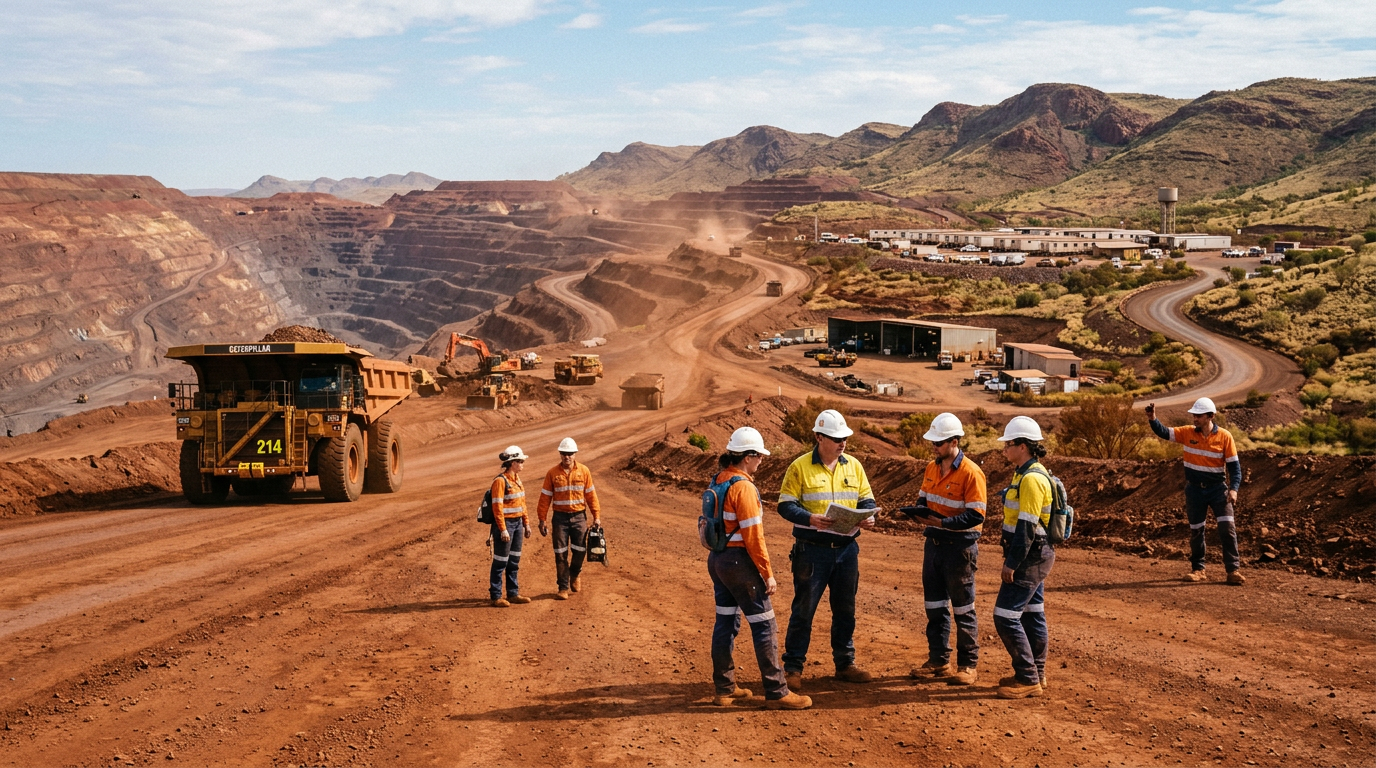
In the Australian resource sector, the mining lifecycle does not begin with massive excavators and haul trucks. It begins with exploration. Long before a production pit is designed or a processing plant is constructed, mining companies must find and define the orebody. This is where exploration teams come in, and at the heart of every remote exploration campaign is the Exploration Field Assistant, affectionately known throughout the industry as a 'Fieldy'. Working alongside exploration geologists, these workers are the logistical and physical backbone of greenfield and brownfield exploration projects across Western Australia, Queensland, and South Australia.
Understanding the Role of an Exploration Field Assistant
In the Australian resource sector, the mining lifecycle does not begin with massive excavators and haul trucks. It begins with exploration. Long before a production pit is designed or a processing plant is constructed, mining companies must find and define the orebody. This is where exploration teams come in, and at the heart of every remote exploration campaign is the Exploration Field Assistant, affectionately known throughout the industry as a 'Fieldy'. Working alongside exploration geologists, these workers are the logistical and physical backbone of greenfield and brownfield exploration projects across Western Australia, Queensland, and South Australia.
For entry-level job seekers, or 'clean-skins', the Fieldy pathway represents one of the most accessible and rewarding entry points into the fly-in fly-out (FIFO) mining industry. Unlike a driller's offsider role, which is notorious for its relentless and highly hazardous physical labor, the duties of an exploration field assistant are highly varied, intellectually engaging, and far less punishing on the body. It is a role that combines outdoor physical work, basic science, remote logistics, and practical problem-solving, making it an ideal stepping stone for those wanting to establish a long-term career in the resources sector.
The demand for Fieldies fluctuates with commodity prices and exploration budgets, but the ongoing global push for critical minerals like lithium, copper, nickel, and cobalt has ensured that exploration campaigns remain highly active. With entry-level day rates typically ranging from $300 to $450 AUD, a field assistant can easily secure a six-figure equivalent income while working a lifestyle-friendly roster. Best of all, you do not need a university degree or a trade qualification to get started; you simply need the right attitude, solid physical fitness, and a strategic set of basic tickets.
Daily Duties: What a Fieldy Actually Does on Shift
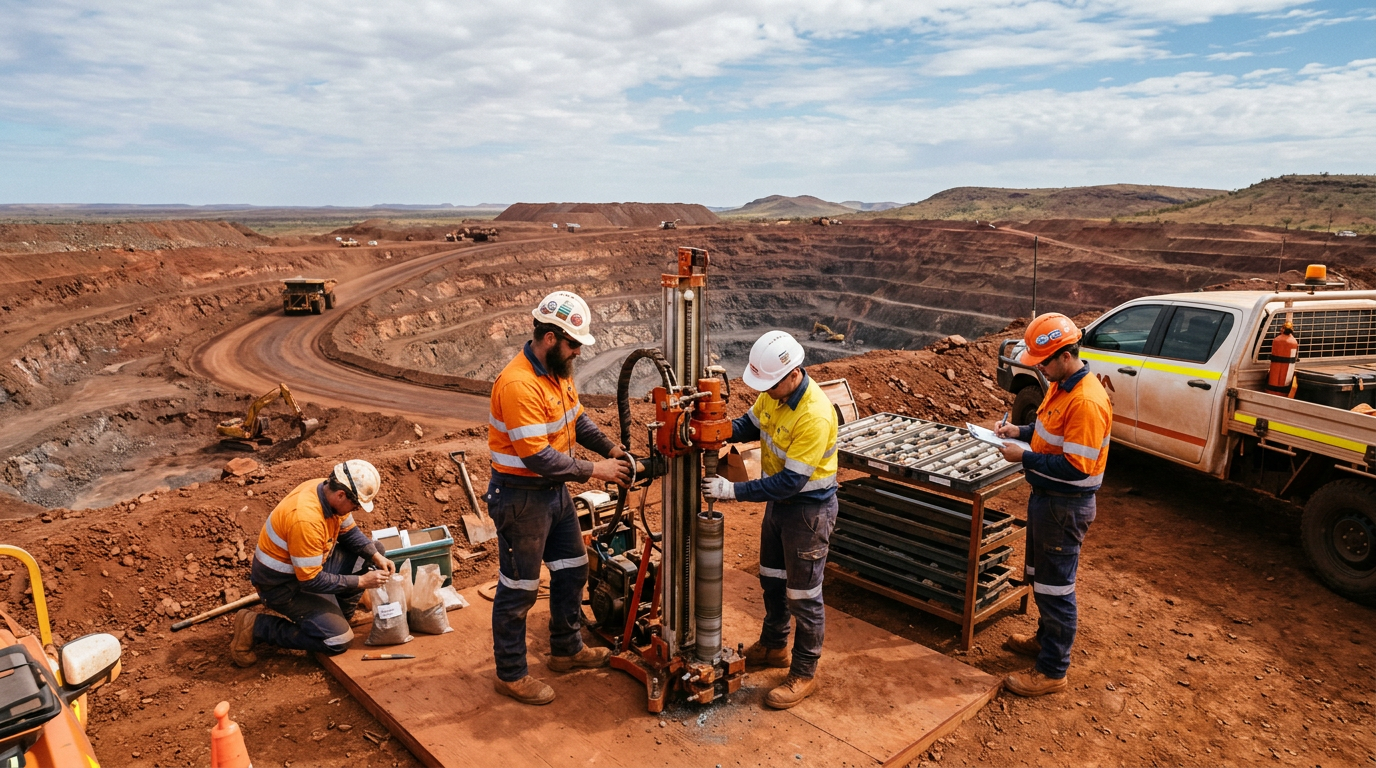
The daily responsibilities of an Exploration Field Assistant are highly diverse and change depending on whether you are working on a drilling rig program or conducting regional surface sampling. In a drilling environment, your primary workplace will be the 'core farm' or the processing yard. Here, you will receive core trays straight from the diamond drill rig. Your job will involve washing the rock core to remove drilling muds, orienting the core pieces, measuring recovery rates, and using an automated, diamond-tipped core saw to cut the core samples in half. This process requires precision, as the geologists rely on clean, systematically cut halves for accurate laboratory analysis.
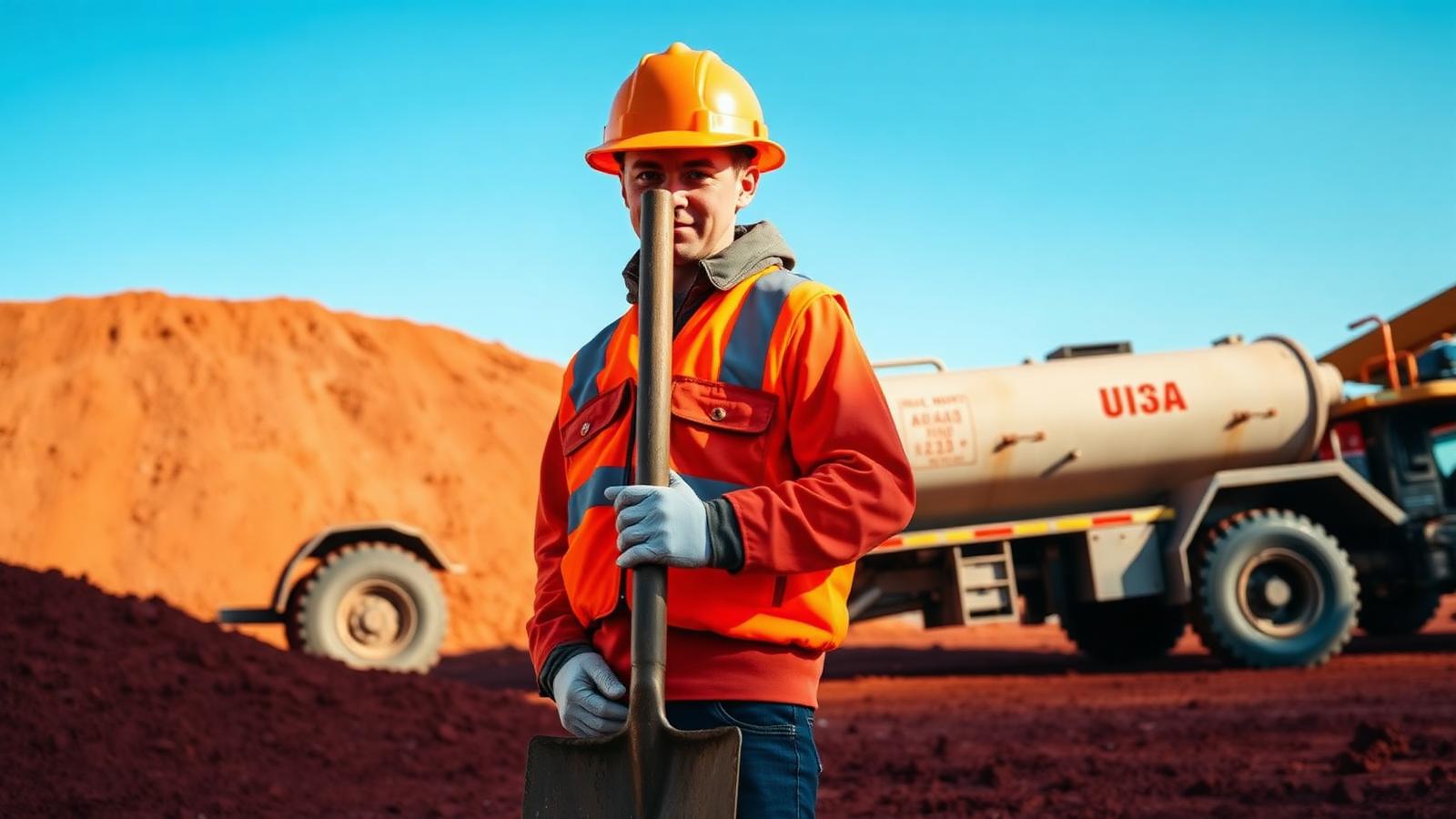
When the exploration project moves away from active drilling to regional mapping, a Fieldy's day changes dramatically. You will find yourself navigating remote bushland via four-wheel drive and on foot, carrying out soil and stream sediment sampling. This involves using a hand auger or shovel to collect specific soil profiles, sieving the material to the required grain size, bagging the samples, and recording the precise GPS coordinates of each sample site. You are also responsible for driving star pickets, flagging grid lines, and preparing drill pad locations ahead of the rig's arrival.
Beyond the geological tasks, Fieldies are the primary caretakers of remote exploration camps. This logistical support is crucial for the safety and comfort of the field crew. On any given day, you may be tasked with conducting daily checks on water pumps and diesel generators, maintaining camp hygiene, driving to local regional towns for food and supply runs, and ensuring that communication channels like satellite phones and satellite internet systems are functioning correctly. It is a role where mechanical aptitude and a practical 'can-do' approach to remote living are highly valued.
The Essential Tickets and Licences You Need to Get Hired
To stand out to exploration managers and labor-hire agencies, you must hold a specific set of licences and certifications. The absolute non-negotiable requirement is a manual open driver's licence. Automatic-only licences are essentially useless in exploration, as almost every exploration utility vehicle, troop carrier, and light truck in the Australian outback is a manual transmission. To significantly boost your employability, upgrading your licence to a Medium Rigid (MR) or Heavy Rigid (HR) class is highly recommended, as companies frequently need staff who can legally drive water carts and heavy service trucks.
The second critical ticket is a nationally accredited four-wheel drive training certificate, specifically the unit 'RIIVEH305E - Operate and maintain a four-wheel drive vehicle'. Exploration driving is not like highway driving; it involves navigating deep sand, mud, creek crossings, washouts, and rocky terrains. Employers need to know that you understand how to safely engage high and low range, adjust tyre pressures for different terrains, and execute a safe vehicle recovery using recovery tracks, winches, or snatch straps without damaging the vehicle or injuring yourself.
Safety is paramount in isolated bush settings, which makes medical and safety tickets highly attractive to recruiters. At a minimum, you must hold a current HLTAID011 Provide First Aid certificate. However, obtaining the more advanced HLTAID013 Provide First Aid in remote or isolated site qualification will instantly place your resume at the top of the pile. Finally, a Construction White Card (CPCCWHS1001) is required for most active exploration sites, and a Gas Test Atmospheres (MSMWHS217) or Confined Space Entry ticket can provide a competitive edge when working around drill rigs.
The Reality of Remote Field Camps and Working Conditions
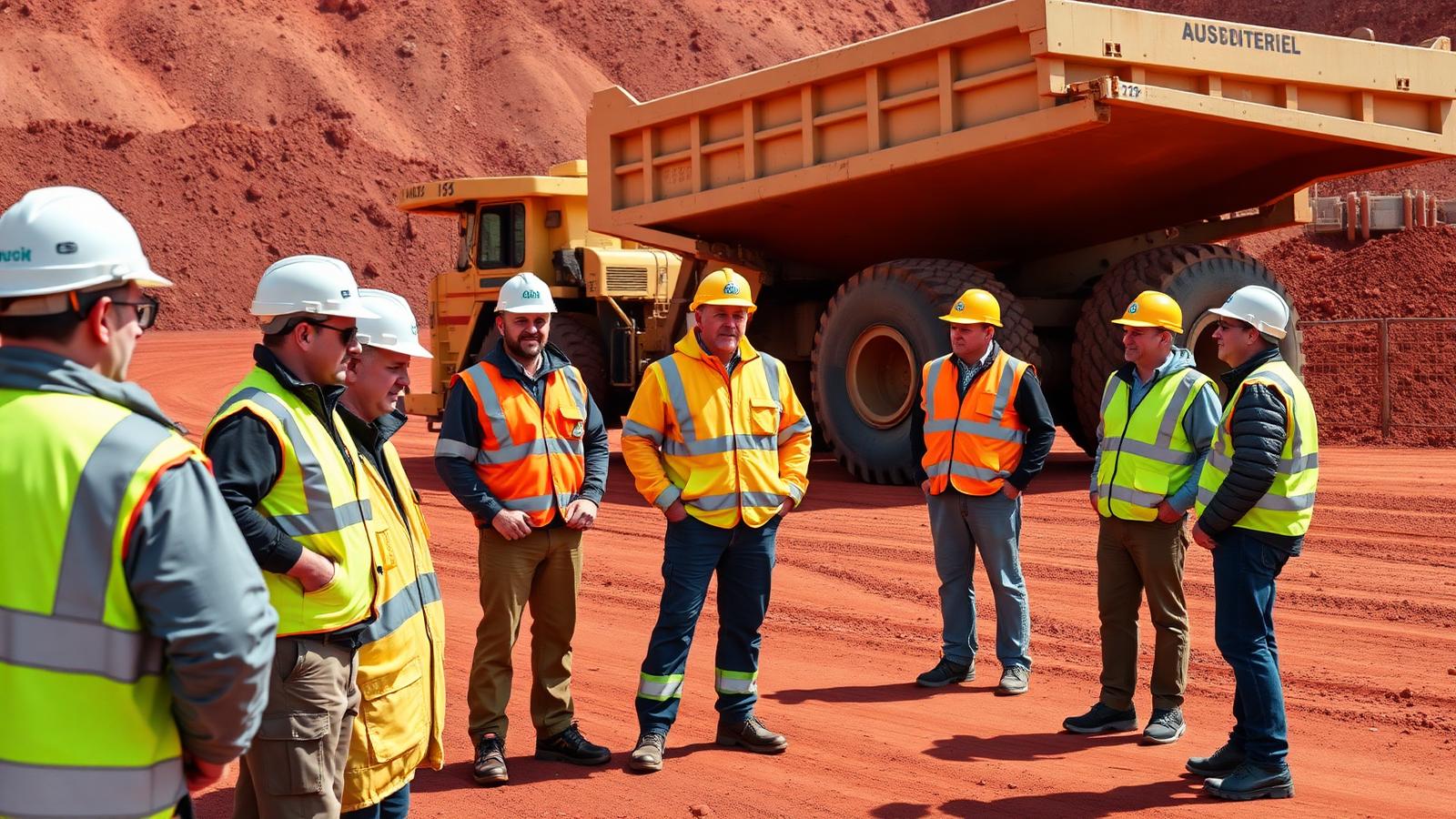
Prospective field assistants must understand that exploration work is fundamentally different from working on an established, tier-one mine site. You will rarely enjoy the luxuries of a 2,000-person permanent mining village equipped with swimming pools, state-of-the-art gyms, and expansive buffet dining halls. Instead, exploration crews often operate out of temporary fly-camps, mobile caravans, or containerised 'dongas' set up on pastoral stations or in the deep bush. While some camps have Wi-Fi and air conditioning, others may require you to sleep in a heavy-duty swag under the stars, with basic chemical toilets and shared camp kitchens.
The environmental conditions are another factor that tests the resolve of many new starters. Depending on the region, you will be working in extreme temperatures. In the Pilbara and Goldfields of Western Australia, summer temperatures routinely exceed 45 degrees Celsius, accompanied by relentless bush flies and thick dust. Conversely, winter nights in the desert can drop below freezing. You will be spending 10 to 12 hours a day on your feet, often walking through thick spinifex, climbing rocky ridges, and lifting heavy core trays weighing up to 20 kilograms each. Physical endurance, proper hydration, and sun safety are non-negotiable survival skills.
The rosters in exploration also tend to be longer and more fluid than standard production mining rosters. While some major companies offer even-time rosters like 2 weeks on, 2 weeks off, it is far more common in exploration to work a 2:1 or 3:1 swing (two or three weeks on site, followed by one week at home). Because exploration campaigns are highly weather-dependent, wet seasons in northern Australia can halt operations entirely, meaning your working year might be highly intensive from April to November, followed by a quieter period during the summer monsoon months.
How to Tailor Your Resume and Land Your First Role
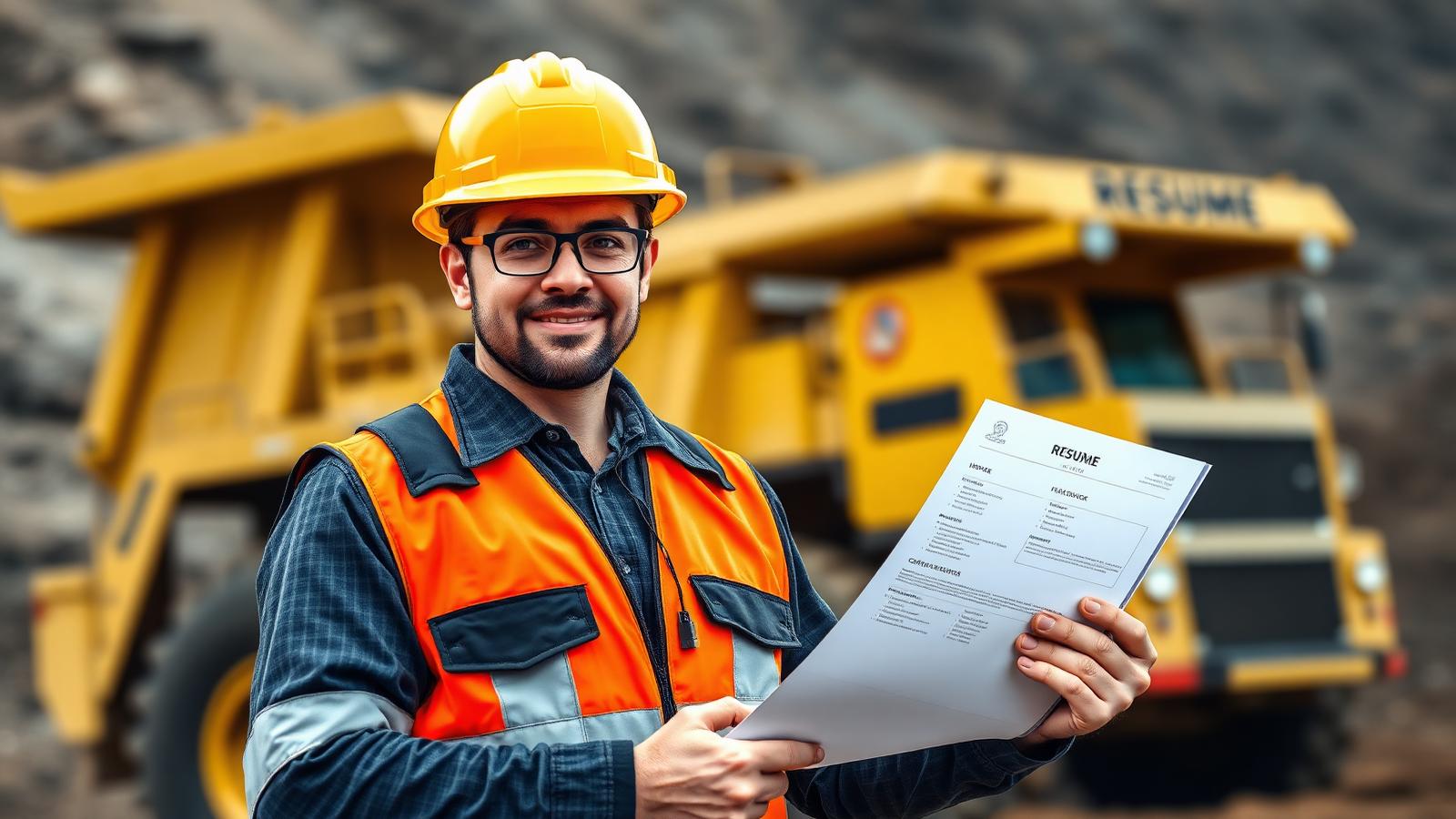
When applying for Fieldy roles, your resume needs to demonstrate that you are resilient, practical, and capable of working without constant supervision in high-stress environments. If you have a background in farming, landscaping, civil construction, mechanical trades, military service, or even regional tourism, you must highlight this. Employers value candidates who know how to use basic hand tools, can perform minor mechanical fixes on a vehicle, and are accustomed to working outdoors in all weather conditions. Do not write a generic resume; explicitly state your experience with manual labor, remote travel, and safety protocols.
To land your first role, you should target both specialist geological consulting firms and general mining recruitment agencies. Companies like Rangeback, Digirock, and Rock People specialise specifically in supplying geological and exploration personnel to the mining industry. Registering with these niche agencies is often far more effective than applying to massive tier-one job ads on Seek. When you contact these agencies, emphasize that you are 'bush-ready', hold your manual driver's licence, have a clean commercial drug and alcohol screen, and are ready to deploy at short notice.
Another highly effective strategy is to target junior and mid-tier exploration companies directly. Use resource news websites like MiningNews.net or the Australian Securities Exchange (ASX) announcements to identify junior companies that have recently raised capital or announced major drilling programs. These companies often manage their own hiring or use local regional contractors. Reaching out directly to their exploration managers on professional networks like LinkedIn can bypass the traditional gatekeepers and secure you an interview before the job is even advertised.
Career Progression: Where Can the Fieldy Pathway Take You?
One of the greatest aspects of starting as an Exploration Field Assistant is the sheer variety of career paths that open up to you once you have gained site experience and a reputation for being a reliable worker. Many Fieldies transition into specialised technical roles, such as becoming a Geological Technician (Geo Tech) or a GIS/Database Assistant. These positions involve less physical field labor and more technical data management, using computer software to map drill holes, manage assay data, and assist geologists with resource modeling.
If you enjoy the operational and logistical side of exploration, you can progress to become an Exploration Field Supervisor or Camp Manager. In these senior roles, you are responsible for overseeing entire field campaigns, managing budgets, coordinating helicopter or heavy vehicle transport, liaising with local pastoralists and traditional landowners, and ensuring that the entire camp complies with environmental and safety regulations. These positions carry significant responsibility and come with highly lucrative salaries that rival senior engineering roles.
Alternatively, the experience you gain on an exploration site can easily be leveraged to transition into production mining. With your understanding of geology and mine site safety, you will be highly competitive for roles in grade control, mine planning support, or as an entry-level operator in open-cut or underground mining operations. No matter which direction you choose to take your career, starting as a Fieldy provides you with a foundational understanding of the mining industry that will serve you well for decades to do.