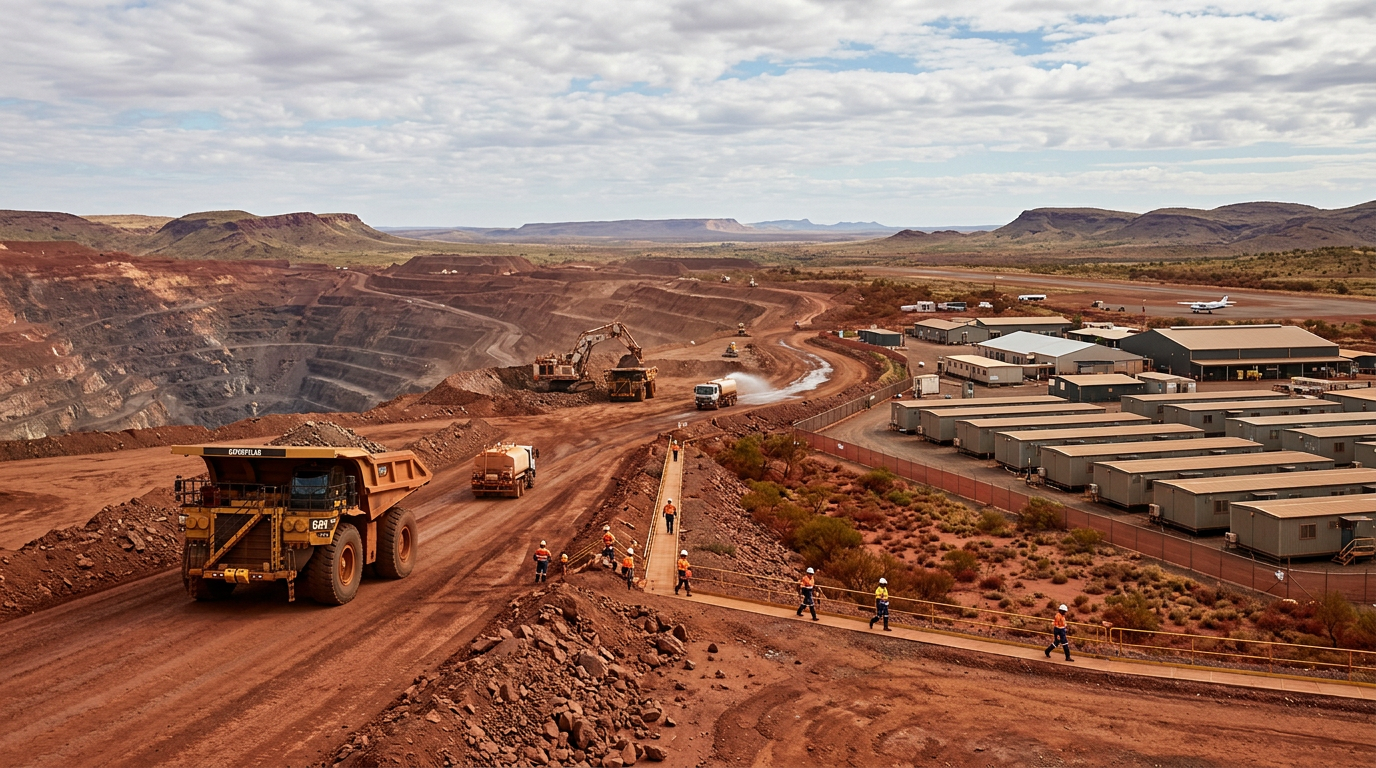
The FIFO Shutdown Pathway: How to Break into Australian Mining via Short-Term Shuts
Want to break into FIFO mining without experience? Learn how mine site shutdowns offer the fastest, highest-paying entry point for greenies to get site-ready.
In the Australian mining sector, processing plants, wash plants, crushers, and SAG mills operate twenty-four hours a day, three hundred and sixty-five days a year. This relentless operation causes massive wear and tear on heavy machinery. To prevent catastrophic structural failures and maintain peak operational efficiency, mining companies must periodically halt production. This planned pause is known as a shutdown, or simply a 'shut'. During a shut, the regular operation stops, and an army of maintenance workers descends on the site to inspect, repair, clean, and rebuild critical infrastructure.
Understanding the Beast: What is a Mine Site Shutdown?
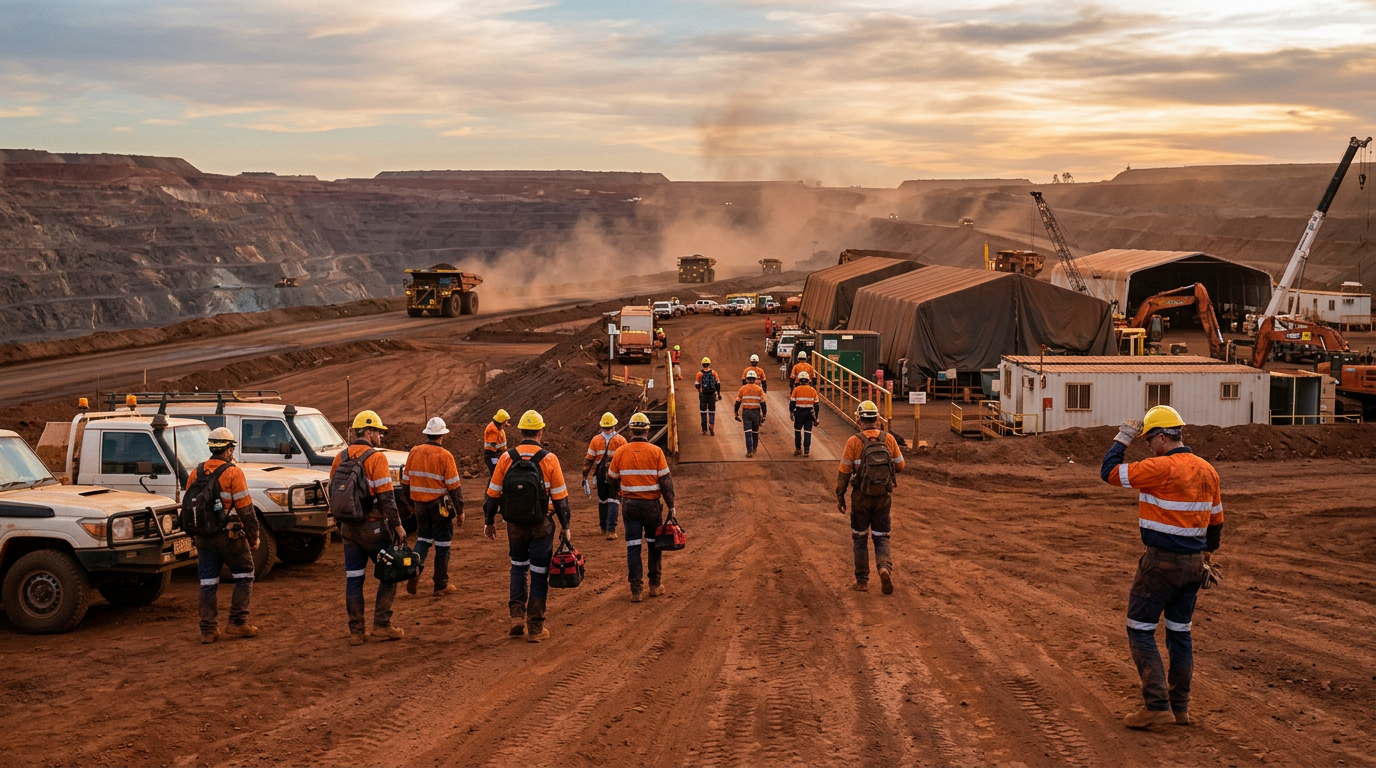
In the Australian mining sector, processing plants, wash plants, crushers, and SAG mills operate twenty-four hours a day, three hundred and sixty-five days a year. This relentless operation causes massive wear and tear on heavy machinery. To prevent catastrophic structural failures and maintain peak operational efficiency, mining companies must periodically halt production. This planned pause is known as a shutdown, or simply a 'shut'. During a shut, the regular operation stops, and an army of maintenance workers descends on the site to inspect, repair, clean, and rebuild critical infrastructure.
Because every hour a plant is offline costs the mining company millions of dollars in lost production, shutdowns are executed with military-grade precision and extreme urgency. A typical shut can last anywhere from thirty-six hours to two weeks. To compress months of standard maintenance into a matter of days, employers hire massive temporary workforces to work around the clock. This creates a constant, rotating demand for labor, making shutdowns one of the most dynamic sectors of the Australian resource industry.
The sheer scale of these campaigns is hard to grasp until you witness one. On a major Pilbara iron ore site or a Bowen Basin coal prep plant, a shutdown might require several hundred extra workers over a single ten-day block. Because these campaigns run on tight schedules year-round across different sites, a massive sub-industry of specialized shutdown contractors and labor-hire agencies has evolved specifically to supply this highly flexible workforce.
Why Shuts are the Ultimate Backdoor for Greenies
For aspiring FIFO workers with zero mine-site experience—known in the industry as 'greenies'—landing a permanent, full-time FIFO role can feel like a catch-22. Employers want site experience, but you cannot get site experience without being hired. Shutdowns completely bypass this barrier. Because shutdown contractors need to mobilize hundreds of workers at short notice, they simply cannot find enough experienced personnel to fill every spot. To meet their labor targets, they actively recruit greenies for entry-level tasks, making it the most accessible entry point in the industry.
Getting hired for a shutdown allows you to break through the 'no experience' ceiling. Once you complete your first shut, you have successfully cleared several major employment hurdles. You will have passed a comprehensive coal board or metalliferous mine-site medical, completed major site-specific inductions (such as BHP, Rio Tinto, or FMG), and proven that you can handle the physical demands of a twelve-hour shift in harsh conditions. Having these credentials on your resume instantly elevates you above other entry-level applicants.
Furthermore, shut work acts as an extended, working job interview. If you turn up on time, work hard, listen to your supervisors, and maintain an impeccable attitude toward safety, you will stand out. Shutdown coordinators and supervisors are always looking for reliable workers to add to their core crews. It is incredibly common for a greenie to start as a casual hand on a seven-day shut and walk away with an invitation to join the contractor's permanent pool, or even receive a direct recommendation for a full-time mine site role.
Essential Entry-Level Roles on a Shutdown Crew
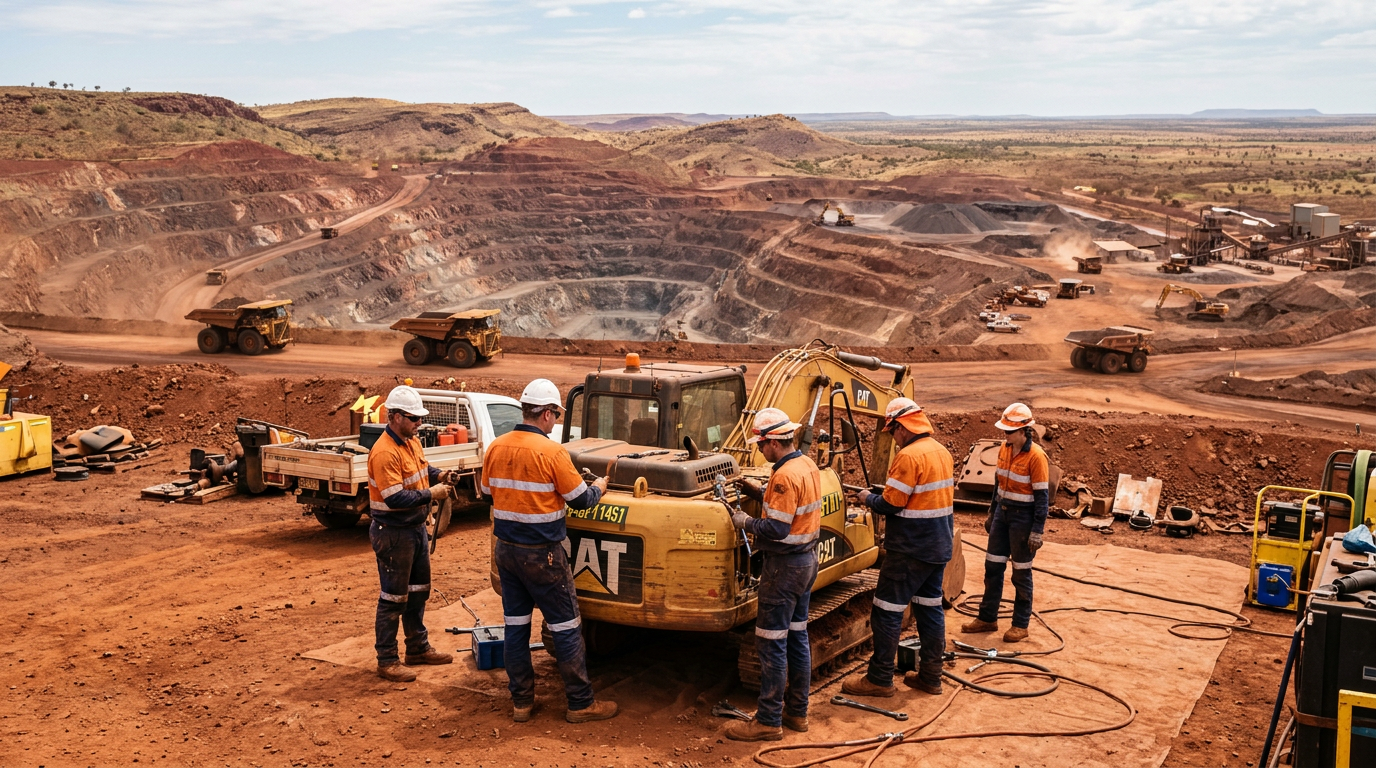
You do not need to be a qualified mechanical fitter or boilermaker to get a start on a shutdown. While skilled trades form the backbone of the crew, they require a support network of entry-level workers to function. The most common entry point is the role of a Trade Assistant (TA). As a shut TA, your job is to assist the tradespeople by carrying tools, preparing materials, operating basic hand tools, cleaning work areas, and spotting hazards. It is physically demanding, dirty work, but it exposes you directly to the heavy mechanical processes of a mine site.
Another highly common entry-level role is that of a Spotter or Sentry. On a shutdown, work frequently takes place inside confined spaces—such as the inside of a chute, mill, or hopper—or involves high-risk activities like hot work (welding and grinding). A Confined Space Sentry or Fire Watch stands outside the work area, monitoring the environment, maintaining a communication log, and standing ready to initiate emergency protocols if something goes wrong. This role requires high concentration, absolute reliability, and a strict adherence to safety procedures, making it ideal for those who may not have the physical strength for heavy manual labor but possess excellent attention to detail.
Additionally, specialized industrial cleaning roles are highly active during shutdowns. These jobs involve using high-pressure water lancing equipment, industrial vacuum systems, and manual scraping to clear built-up ore, slurry, and debris from plant infrastructure before maintenance can begin. It is wet, muddy, and incredibly physical work, but the entry requirements are low, and the demand for workers is consistently high throughout the dry seasons.
The Reality of Shut Work: Pay, Hours, and the Grind
Before pursuing this pathway, you must understand that shutdown work is intense and highly demanding. A standard shutdown shift is twelve hours long, and you will typically work consecutive days without a break for the duration of the campaign. It is common to work a 'seven-and-seven' or a 'fourteen-on, fourteen-off' pattern, but unlike standard rosters, your days on are spent in a high-pressure environment where every minute counts. You may be assigned to night shifts, which means adjusting your sleep cycle in a hot donga (camp room) during the day.
The payoff for this intense effort comes in your pay packet. Because shutdown work is casual and highly compressed, the hourly rates are excellent. Entry-level Trade Assistants can expect to earn between forty and fifty-five dollars per hour, often with penalty rates for overtime, night shifts, and weekend work. When working eighty-four hours a week, even an entry-level worker can gross between three thousand and four thousand five hundred dollars in a single week. For many, the ability to earn a month's wages in ten days is well worth the physical toll.
However, the nature of the work is transient. You are paid for the hours you work, and when the shut ends, you fly home and the pay stops until the next campaign begins. This 'campaign-style' lifestyle requires excellent financial discipline. Successful shutdown workers build relationships with multiple labor-hire companies to string together consecutive shut contracts, creating a highly flexible, high-income career that allows them to take weeks of unpaid leave between campaigns whenever they choose.
The Non-Negotiable Tickets You Need to Get Hired
While contractors are willing to hire greenies, they will not hire people who lack the basic safety compliance tickets. To put yourself at the top of the hiring pile, you must invest in a few key credentials. The absolute baseline is a Construction Industry White Card (CPCCWHS1001) and a current manual driver's license. Without these two items, your application will rarely make it past an automated screening system.
To make yourself highly competitive for shutdown work, you should obtain two specific high-risk tickets: Enter and Work in Confined Spaces (RIIWHS202D) and Work Safely at Heights (RIIWHS204E). These courses are usually run over one or two days and cost a few hundred dollars each. Because almost all shutdown maintenance involves working at height on scaffolding or entering restricted vessels, having these tickets pre-loaded on your resume makes you instantly deployable.
If you want to go a step further, obtaining a Gas Test Atmospheres (MSERG259) ticket or a Basic Rigging (RB) high-risk work license will make you an elite candidate. These tickets show employers that you are not just looking for a job, but have actively invested in the specific skills required to keep a shutdown site safe and operational. When recruiters are looking to fill fifty TA spots for an upcoming campaign, an applicant who already holds Heights, Confined Space, and Gas Testing credentials will always get the first phone call.
How to Land Your First Shut Contract: Key Agencies and Tactics
Landing your first shutdown gig requires a proactive, targeted approach. Major mining companies rarely hire casual shutdown crews directly; instead, they outsource this work to engineering firms and specialized labor-hire agencies. Your job search should focus on these mid-tier contractors. Companies like Monadelphous, Civmec, UGL, Downer, and Mineral Resources are constantly executing major shutdown contracts across Western Australia, Queensland, and South Australia. Additionally, specialized recruiters such as Hays, WorkPac, Techforce, and Programmed maintain deep pools of casual shutdown talent.
When applying, your resume must be tailored to show that you are physically fit, safety-conscious, and highly reliable. Highlight any history of manual labor, shift work, or trade-adjacent experience, such as construction, landscaping, farming, or manufacturing. Explicitly list your tickets, driver's license, and availability at the very top of your CV. Recruiters screening for shutdowns are looking for candidates who can pass a drug screen tomorrow and mobilize to site at short notice.
Once you submit your application, do not simply wait for an email. Follow up with a phone call to the agency's shutdown recruitment team. Express your enthusiasm, confirm your immediate availability, and let them know you are fully ticketed and ready to go. Shutdown recruitment is fast-paced; positions open and close within hours. By being proactive, showing a great attitude, and proving your compliance, you can easily secure your first swing and launch your career in the Australian FIFO mining industry.