The FIFO Trade Assistant (TA) Pathway: How to Get Hired in Mining Workshops and Fixed Plants
Discover how to break into the Australian mining industry as a FIFO Trade Assistant (TA). Learn the tickets you need, workshop vs fixed plant roles, and how to get hired without a trade.
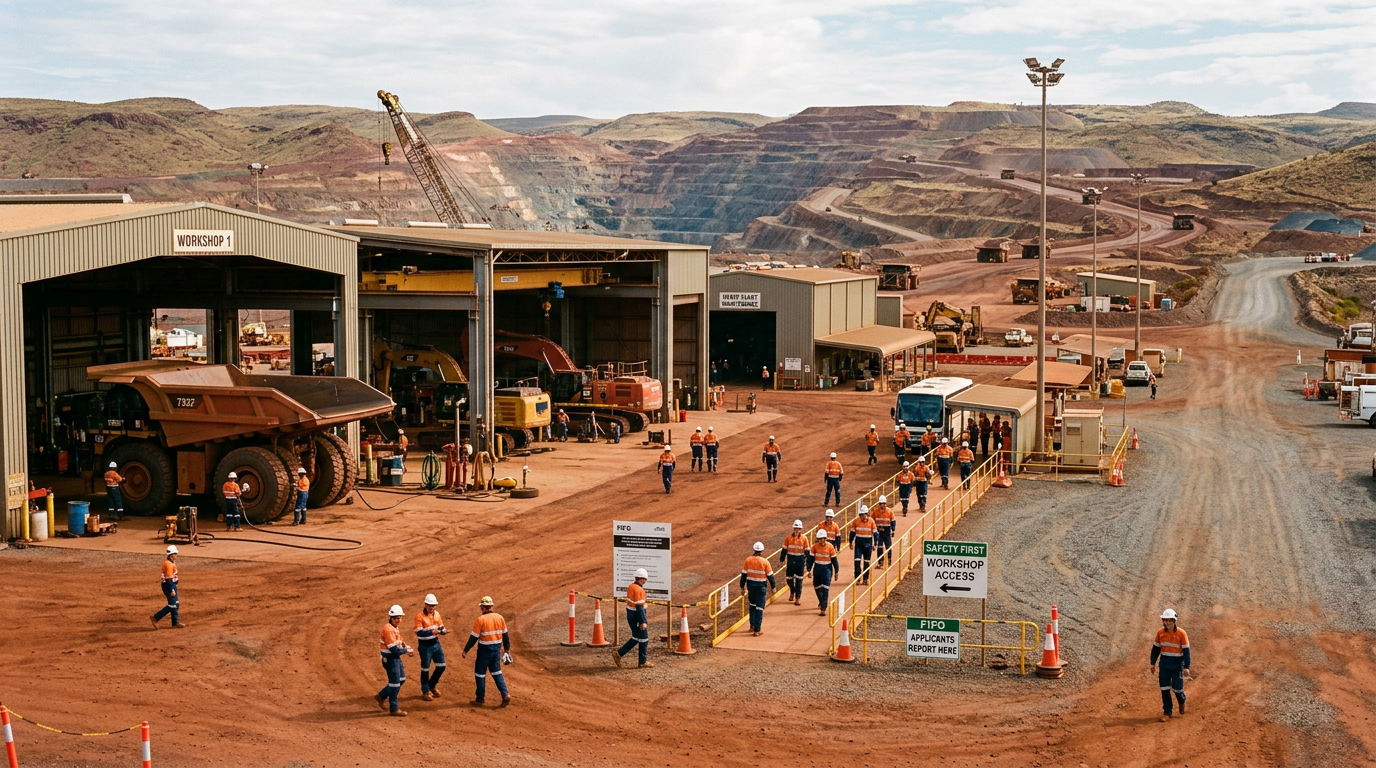
Across the Australian resource sector, from the iron ore operations of the Pilbara to the coal mines of the Bowen Basin, qualified tradespeople are in critically short supply. Heavy Diesel (HD) Fitters, Boilermakers, and Industrial Electricians are expensive and difficult to recruit. To maximize the productivity of these highly skilled workers, mining companies and maintenance contractors rely heavily on Trade Assistants (TAs) to handle the preparation, manual labor, and support tasks associated with heavy maintenance.
What is a FIFO Trade Assistant and Why Is It in High Demand?
Across the Australian resource sector, from the iron ore operations of the Pilbara to the coal mines of the Bowen Basin, qualified tradespeople are in critically short supply. Heavy Diesel (HD) Fitters, Boilermakers, and Industrial Electricians are expensive and difficult to recruit. To maximize the productivity of these highly skilled workers, mining companies and maintenance contractors rely heavily on Trade Assistants (TAs) to handle the preparation, manual labor, and support tasks associated with heavy maintenance.
A Trade Assistant, or TA, is essentially a force multiplier for a qualified tradesperson. Instead of a highly paid HD fitter spending an hour cleaning grease off a dump truck chassis, fetching specialized tools, or setting up safety barricades, a TA performs these tasks. This allows the tradesperson to focus entirely on precision mechanical diagnosis and repair, dramatically reducing equipment downtime and keeping the mine site running efficiently.
For entry-level job seekers or those transition from civil construction, manufacturing, or agriculture, the FIFO TA role is one of the most lucrative and accessible gateways into the mining sector. With hourly rates typically ranging from $35 to over $55 per hour—translating to annual earnings between $100,000 and $130,000+ depending on the roster—this pathway offers a direct route to financial security without requiring a four-year apprenticeship.
Workshop vs. Fixed Plant: Choosing Your TA Direction
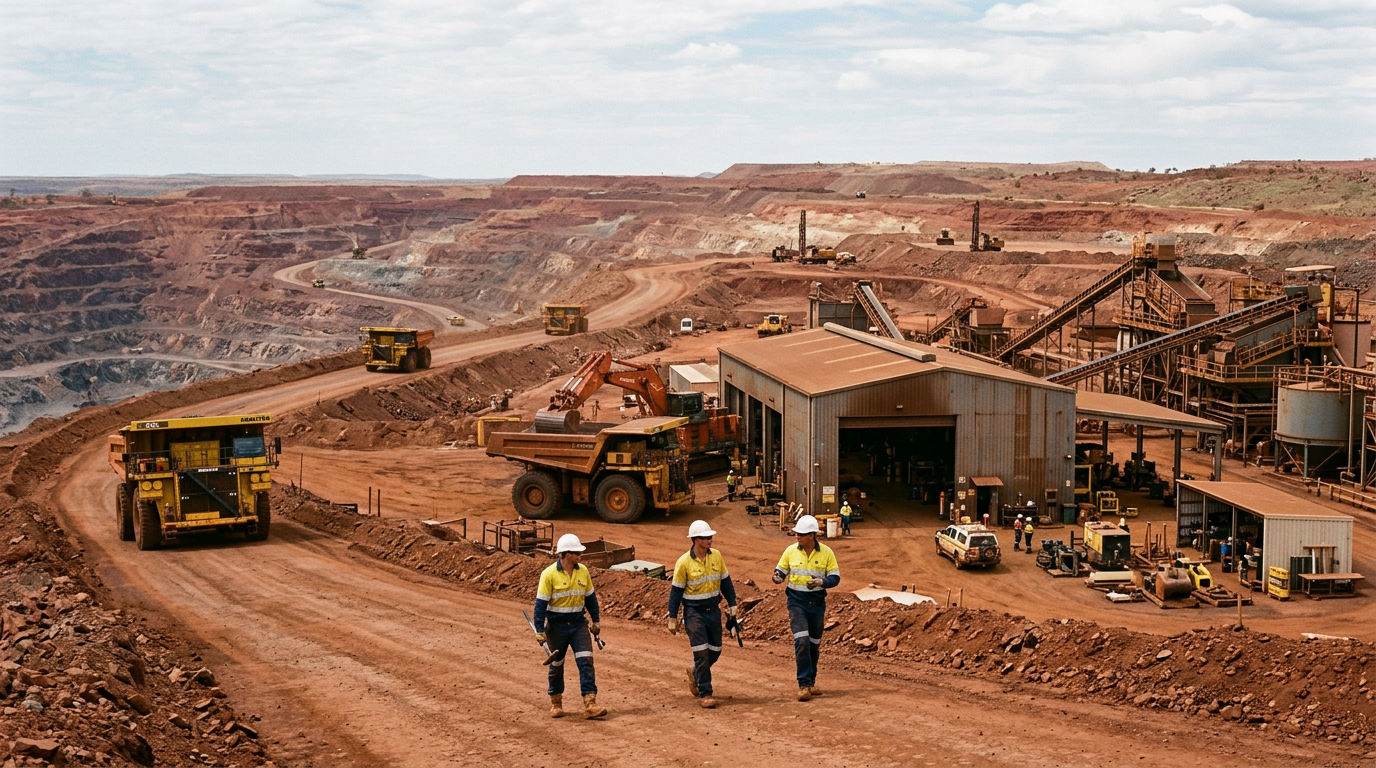
When applying for FIFO TA roles, you will generally be funneled into one of two main environments: the mobile equipment workshop (often called the Heavy Equipment or HE workshop) or the fixed plant maintenance team. Understanding the difference between these two environments is critical, as they require different physical attributes, working styles, and career interests.
Mobile plant workshops focus on the maintenance and overhaul of rubber-tired and tracked mining fleets, such as Caterpillar or Komatsu dump trucks, loaders, dozers, and graders. As a workshop TA in this environment, your day will involve steam-cleaning heavy machinery, assisting with wheel changes, operating overhead cranes to lift massive components, greasing joints, and keeping the workshop bays clean and free of trip hazards. If you enjoy working on vehicles, machinery, and engines, this is the environment to target.
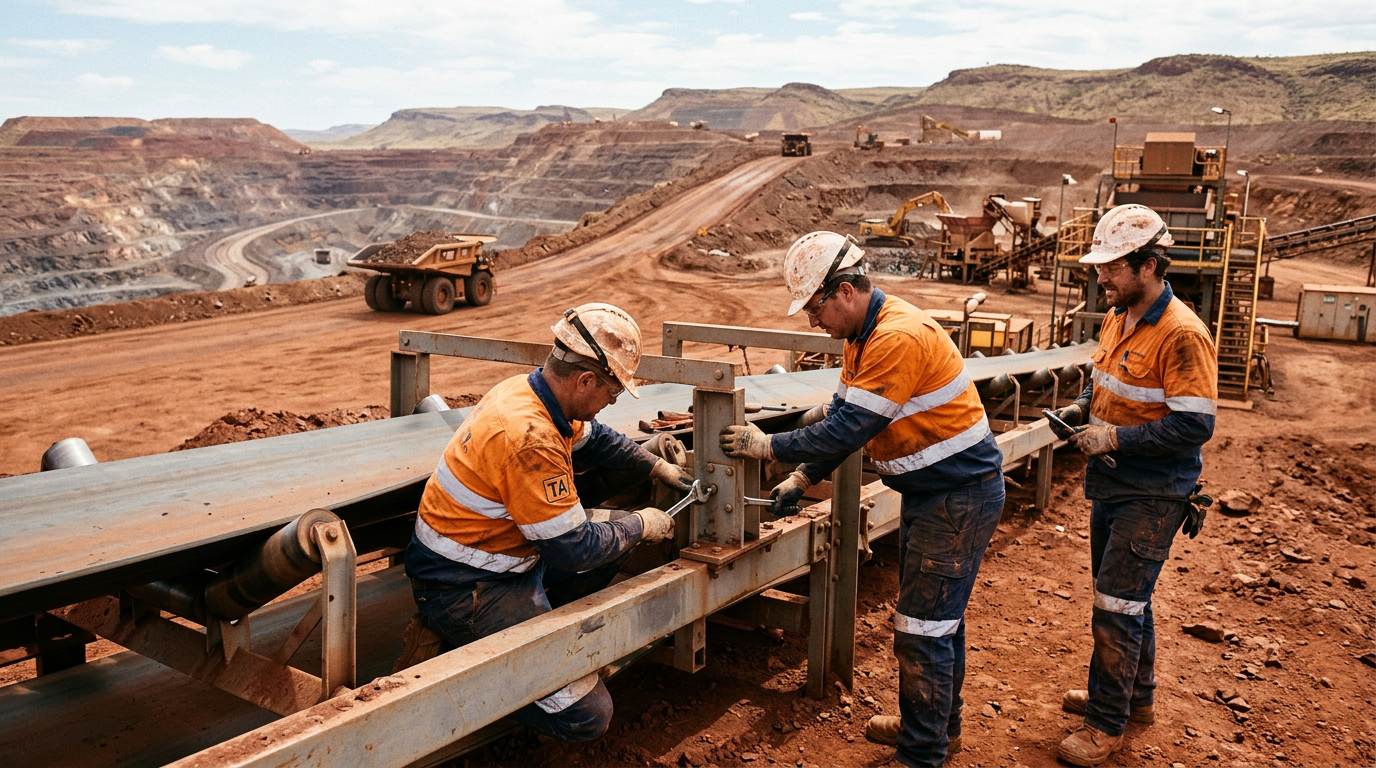
Fixed plant maintenance, on the other hand, deals with the processing infrastructure of the mine site, including crushers, conveyor belts, sizers, screens, and wash plants. Fixed plant TAs work alongside structural boilermakers and mechanical fitters. Your tasks will involve replacing worn conveyor rollers, changing liner plates inside massive chutes, high-pressure water blasting, and assisting with structural steel installations. This work is highly physical, often conducted outdoors in harsh weather conditions, and regularly requires working at heights or in confined spaces.
The Crucial Ticket Stack for FIFO Trade Assistants
While you do not need a formal trade qualification to work as a TA, you cannot simply walk onto a mine site with zero credentials. To stand out to recruiters and pass the initial automated resume screening, you need to invest in a specific stack of high-risk work licenses and safety tickets. These credentials prove to employers that you can step onto a site and safely assist a tradesperson from day one.
The absolute baseline tickets for a mobile workshop TA are a High-Risk Work License for Forklift Operation (LF) and Dogging (DG). Dogging is particularly critical; it teaches you how to select, inspect, and apply slinging gear to safely lift and move heavy components with an overhead gantry crane. In a workshop where heavy engines, transmissions, and wheel assemblies are constantly being lifted, a TA who can legally and safely dog loads is incredibly valuable.
For fixed plant TA roles, the priority tickets shift toward Working at Heights (WAH) and Enter and Work in Confined Spaces (CSE). Processing plants are massive vertical structures with tight, enclosed chute systems and vessels. Additionally, securing a Gas Test Atmospheres ticket and an Elevating Work Platform (EWP) license will significantly boost your employability, making you an ideal candidate for shutdown maintenance crews and permanent fixed plant teams alike.
How to Translate Civilian Experience Onto Your Mining Resume
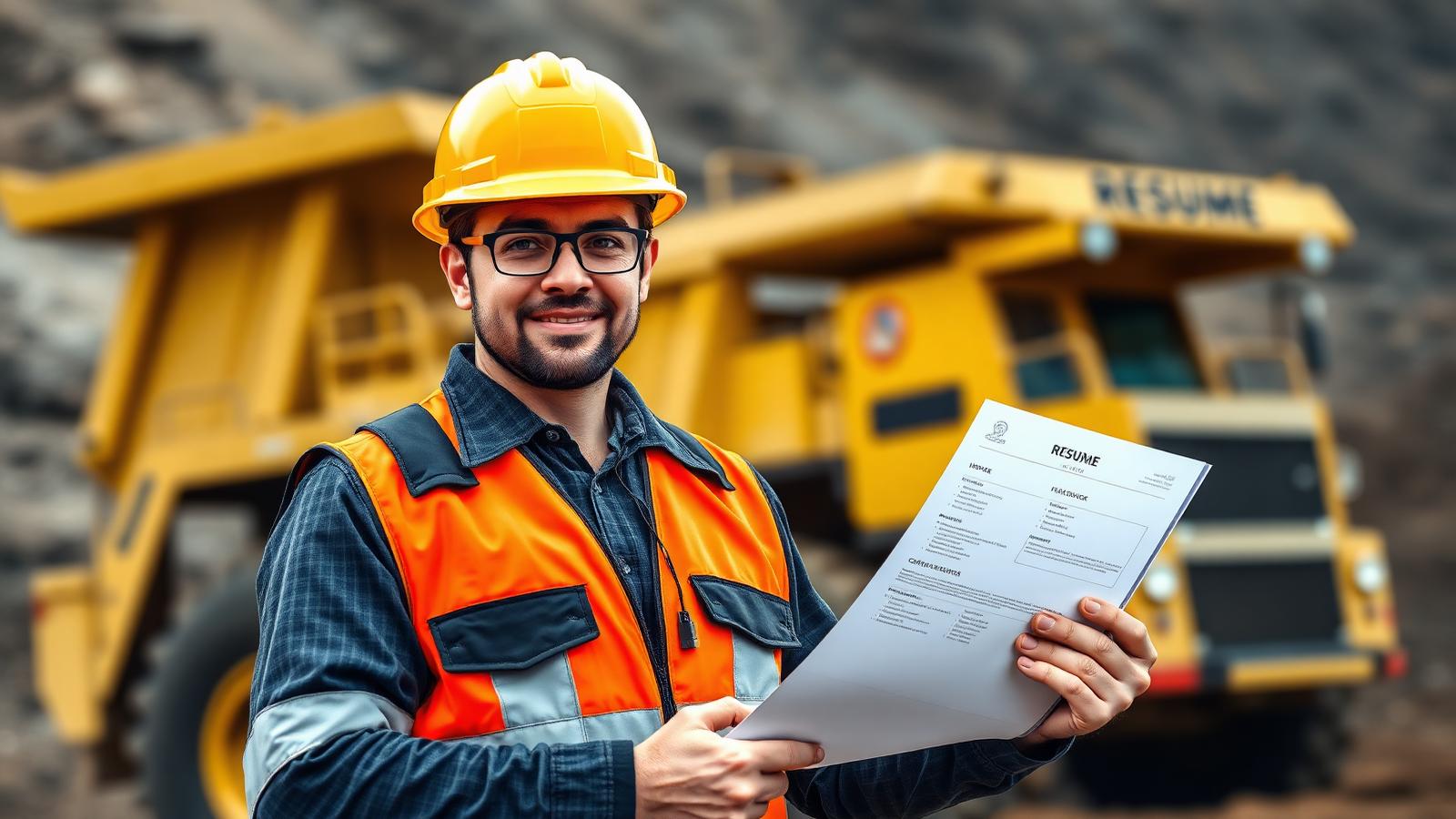
One of the biggest mistakes aspiring FIFO TAs make is submitting a generic resume that lists irrelevant job duties. If you have spent the last five years working as a farm hand, residential construction laborer, tire fitter, or assembly line worker, you already possess highly valuable transferable skills. The key is translating that experience into the safety-focused, heavy-industry language that mining recruiters look for.
For example, instead of writing 'fixed tractors on the farm,' reframe your experience as 'performed preventative mechanical maintenance on heavy agricultural machinery, including oil changes, component replacement, and hydraulic system servicing.' If you worked in residential construction, do not just list 'laboring.' Highlight your experience with power tools, hand tools, material handling, rigging assist, and your daily adherence to strict Job Hazard Analyses (JHAs) and safe work method statements.
Mining is an incredibly safety-obsessed industry. Your resume must clearly demonstrate that you understand risk assessment, can follow complex safety procedures, and have a proven track record of working incident-free. Mention any experience you have with lockout/tagout (LOTO) procedures, hazard reporting, and operating in high-risk environments. This framing immediately signals to recruiters that you are not a safety liability.
A Typical Swing: The Daily Reality of a FIFO Trade Assistant
Working as a FIFO TA is physically demanding and requires mental resilience. A standard swing usually consists of a 2:1 roster (two weeks on site, one week off) or a 2:2 roster, working 12-hour shifts every single day. Your day begins early, typically with a 4:30 AM alarm in your donga, followed by a quick breakfast at the camp mess and packing your crib (lunch) for the day ahead.
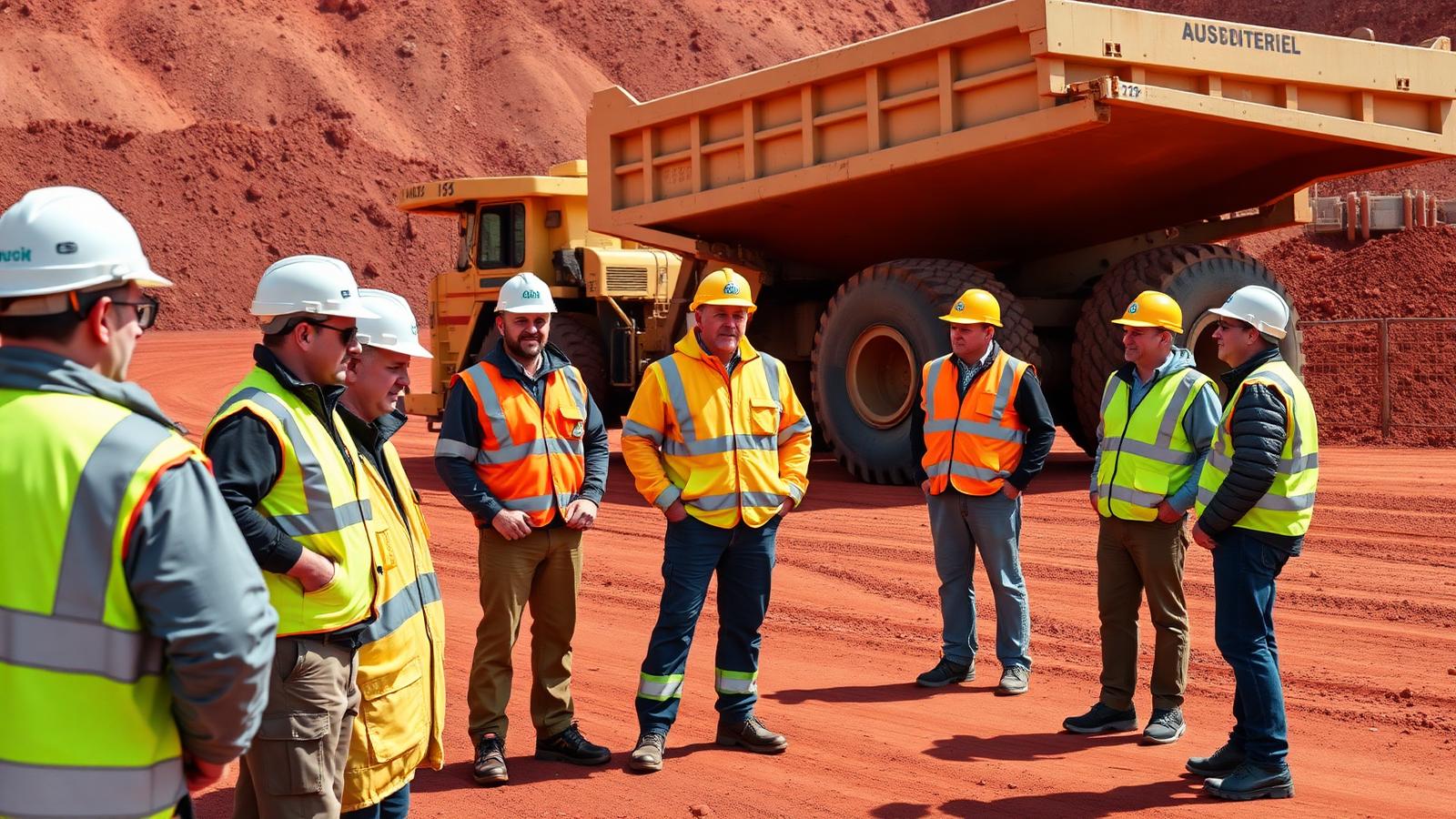
By 5:30 AM, you are at the workshop or processing plant for the daily pre-start meeting and safety toolbox talk. This is where the supervisor assigns the day's tasks and the team conducts a group risk assessment. Once the shift begins, you will be on your feet for the next 11 hours. You might spend the morning degreasing a muddy haul truck in the wash bay, the afternoon fetching heavy impact guns and torque wrenches for an HD fitter, and the final hour of the shift organizing the tool store and washing down the workshop floor.
The physical environment is harsh. You will be wearing full PPE—heavy steel-cap boots, long-sleeve high-vis clothing, safety glasses, hard hats, and gloves—in temperatures that can exceed 40 degrees Celsius in regions like the Pilbara. Success in this role requires a strong work ethic, a thick skin, and a proactive attitude. The best TAs are always looking for the next task, anticipating what their tradesperson will need next, rather than waiting around to be told what to do.
Where to Apply: Targeting Contractors and Labour Hire
While direct employment with major mining producers like BHP, Rio Tinto, or Fortescue is possible, these blue-chip companies rarely hire green-skin TAs directly. Instead, they outsource the vast majority of their maintenance and shutdown work to Tier 1 and Tier 2 engineering contractors and specialist mining maintenance firms.
To maximize your chances of landing a role, target major contracting companies such as Monadelphous, UGL, Civmec, Mineral Resources, SRG Global, and Alcolizer. These companies manage massive, ongoing maintenance contracts across multiple mine sites and are constantly recruiting TAs to staff their crews. Additionally, registering with specialized mining labor-hire agencies like WorkPac, Hays, One Key Resources, and Chandler Macleod is a highly effective way to secure your first swing.
When applying, ensure your location is set to the primary transit hub for the FIFO flights (usually Perth, Brisbane, or Adelaide) and clearly state in your cover letter that you are ready to start immediately and have all your tickets ready. Securing that first TA job requires persistence, but once you have six months of solid site experience on your resume, you will find yourself in high demand across the entire Australian resource sector.