The Interstate FIFO Strategy: How to Land a WA Mining Job from the Eastern States
Want to land a high-paying WA FIFO job while living in the Eastern States? Learn how to navigate point of hire rules, self-funding strategies, and resume positioning to get hired.
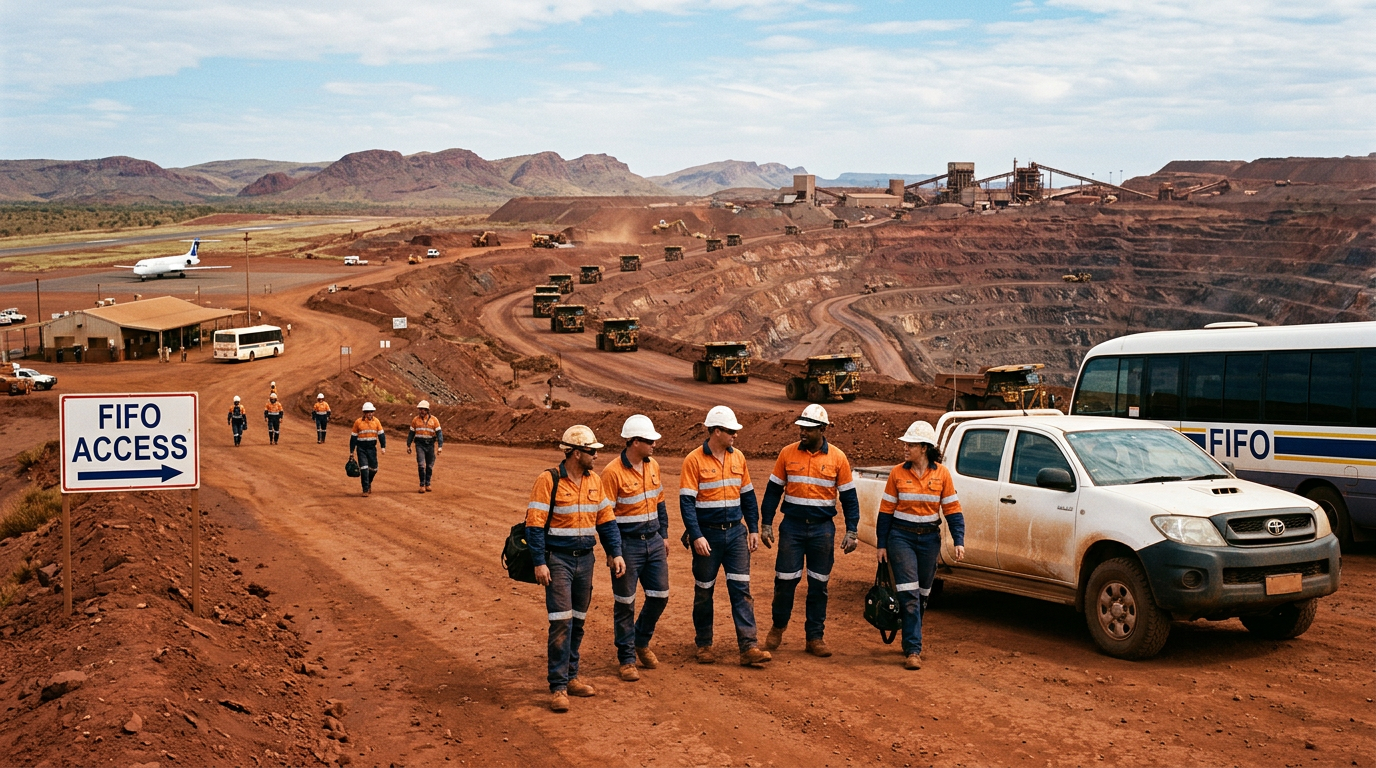
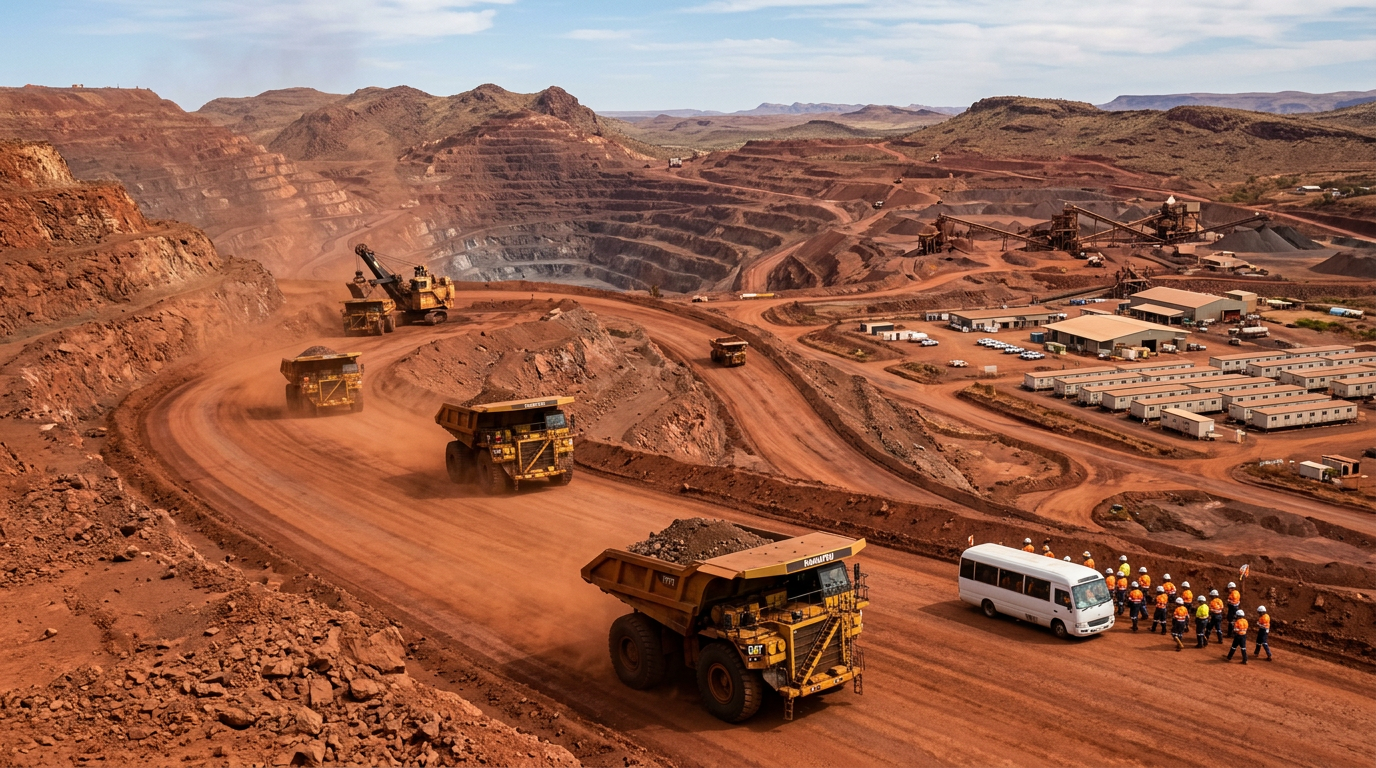
Western Australia is the powerhouse of the global mining industry, driven by massive iron ore operations in the Pilbara, gold in the Eastern Goldfields, and lithium in the South West. For job seekers living in Queensland, New South Wales, Victoria, or South Australia, the lure of WA's high-paying FIFO rosters is incredibly strong. However, the days of mining companies automatically booking return flights from Brisbane, Sydney, or Melbourne for entry-level workers are largely over. Today, navigating the interstate job market requires a highly strategic approach.
The Reality of Interstate FIFO in Today's Market
Western Australia is the powerhouse of the global mining industry, driven by massive iron ore operations in the Pilbara, gold in the Eastern Goldfields, and lithium in the South West. For job seekers living in Queensland, New South Wales, Victoria, or South Australia, the lure of WA's high-paying FIFO rosters is incredibly strong. However, the days of mining companies automatically booking return flights from Brisbane, Sydney, or Melbourne for entry-level workers are largely over. Today, navigating the interstate job market requires a highly strategic approach.
While Tier-1 producers like BHP, Rio Tinto, and Fortescue (FMG) still employ thousands of interstate workers, they have increasingly tightened their recruitment policies to favour candidates based in WA, or those who can transit through Perth at their own expense. Understanding how these companies hire, and what they expect from interstate applicants, is the first and most critical step toward securing a role without having to pack up your entire life first.
The primary driver behind this local-first hiring preference is fatigue management and operational reliability. A flight delay between Sydney and Perth can cause an worker to miss their charter flight to the Pilbara, leaving a crew short-handed on site. To successfully apply from the Eastern States, you must demonstrate to recruiters that you understand these logistical risks and have a foolproof plan to manage them.
Decoding the Point of Hire Rule
In Australian mining contracts, 'Point of Hire' is the legally designated location from which an employer's responsibility for your travel begins and ends. If your employment contract states that your Point of Hire is Perth Airport, the mining company is only responsible for flying you from Perth to the mine site and back. Getting yourself to Perth from Sydney, Brisbane, or Melbourne is entirely your responsibility, both logistically and financially.
For highly skilled, in-demand professionals—such as Heavy Diesel Fitters, Instrument Technicians, and mining engineers—companies will often offer 'interstate point of hire' contracts. This means the employer covers the commercial flights from your capital city to Perth before transferring you to the site charter. However, for entry-level candidates, drillers' offsiders, dump truck trainees, and utility workers, contracts are almost exclusively 'Perth Point of Hire'.
If you accept a Perth Point of Hire contract while living in the Eastern States, you must manage what the industry calls the 'double-hop'. This involves flying from your home city to Perth, often the day before your swing starts, staying overnight in airport accommodation, and then catching your site charter early the next morning. It is a grueling schedule that eats into your R&R (rest and recovery) time and requires careful budgeting to ensure the interstate flights do not swallow your pay increase.
Which Roles and Commodities Support Interstate Travel?
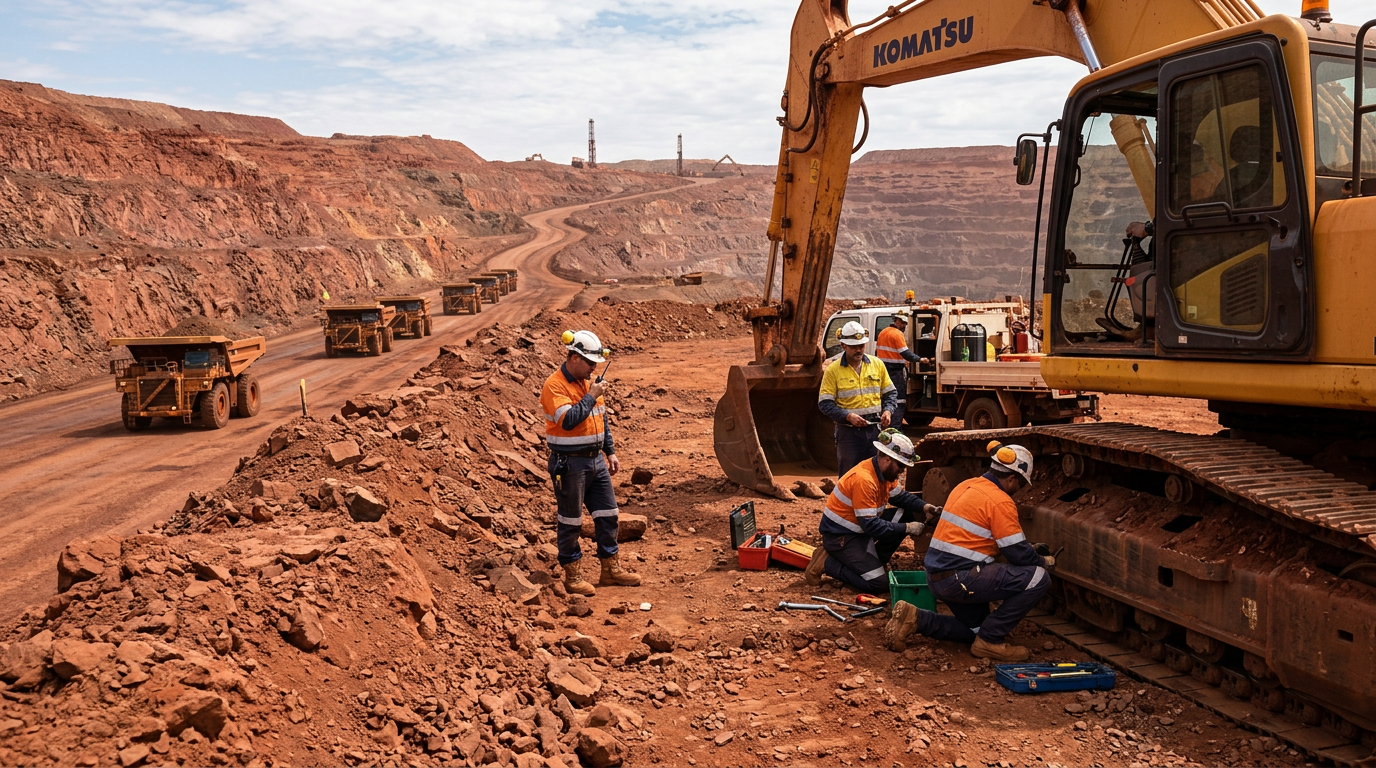
To maximise your chances of landing an interstate FIFO job, you must target the right commodities and roles. The Pilbara iron ore sector is the most accommodating of interstate workers simply due to the sheer scale of the operations and the persistent labour shortages. Gold, nickel, and lithium operations in the Goldfields (around Kalgoorlie) and the Mid-West also hire interstate, but they are more likely to insist on a WA address due to the availability of local drive-in, drive-out (DIDO) workers.
If you are an experienced tradesperson or hold advanced tickets (such as a dual-trade qualification, high-voltage switching, or extensive experience on heavy earthmoving gear like Cat 797 trucks or Liebherr excavators), recruiters will routinely overlook your interstate address. They need your skills, and they will pay for your flights from the East Coast to secure them. You hold the leverage in these negotiations.
Conversely, if you are seeking an entry-level role, your best strategy is to target tier-2 contractors and shutdown providers. Shutdown (shut) work is highly seasonal and project-based, requiring sudden influxes of hundreds of workers for short, intense periods. Shutdown employers are far more flexible with interstate candidates because they need bodies on the ground immediately and are willing to accept Perth Point of Hire arrangements from interstate applicants who are ready to fly at short notice.
The Strategic Job Application: How to Address Your Location
One of the biggest mistakes Eastern States job seekers make is putting their home address at the top of their resume without any context. A recruiter looking at a pile of 500 applications for a utility or dump truck role will instantly discard a resume with a Brisbane or Sydney address simply because they assume the candidate expects paid interstate flights or will struggle with fatigue.
You should never lie about your location on your resume, as this will inevitably backfire during the pre-employment medical, induction booking, or police check stages. Instead, you must proactively address the location barrier. At the top of your resume, right under your contact details, insert a bold, clear statement such as: 'Current NSW Resident – Available at Perth Point of Hire' or 'Relocating to Western Australia – Self-Funding Travel to Perth for Swings'.
In your cover letter, explicitly state your travel strategy. Explain that you understand the logistics of the Perth flight hub, that you have a support network or accommodation sorted in Perth for overnight stays between swings, and that you are prepared to manage your own fatigue. This instantly reassures the recruiter that you are not a logistical liability and that you understand the realities of WA mining operations.
Relocating to Western Australia: The Ultimate Career Accelerant
If you are serious about a long-term, highly lucrative career in the WA mining industry, relocating to Western Australia is the single most effective move you can make. By establishing a local WA address, you instantly open the door to 100% of the available FIFO roles, including highly competitive entry-level traineeships and apprenticeship programs that are strictly closed to interstate applicants.
Perth is a city built around the FIFO lifestyle. Suburbs close to the airport, such as Belmont, Redcliffe, and Kewdale, are highly popular with mine workers due to short commute times to the terminals. Further afield, coastal areas like Rockingham and Mandurah in the south, or Joondalup and Butler in the north, offer a fantastic beachside lifestyle for families while still being connected to the airport via Perth's transit network or direct highways.
Before making the move, research the Perth rental market, which is notoriously tight. Many aspiring FIFO workers opt to stay in short-term share accommodation, hostels, or caravan parks close to the airport for their first few swings before securing a long-term lease once they have stable mine-site income. This transitional approach minimises your financial risk while you get established in the industry.
The Financials: Taxes, Self-Funding, and Flight Costs
Before signing a Perth Point of Hire contract, you must run the numbers. If you are paying for your own flights from Sydney to Perth every two weeks, you need to factor in the cost of commercial airfares, which can fluctuate wildly depending on the season, school holidays, and how far in advance you book. A bad run of expensive flights can easily wipe out $15,000 to $20,000 of your annual post-tax income.
A common misconception among interstate workers is that the cost of self-funded flights to your point of hire is tax-deductible. According to the Australian Taxation Office (ATO), travel from your home to your designated point of hire (Perth Airport) is considered private travel (commuting) and is generally not tax-deductible. Only travel performed *after* you have commenced your shift (i.e., from Perth to site) is deductible, and because the company pays for that leg, there is nothing for you to claim. Always seek professional advice from an accountant specializing in mining industry tax before making financial assumptions.
To mitigate these travel costs, many interstate workers opt for longer rosters, such as a 2:1 (two weeks on, one week off) or a 3:1 swing. While these rosters are tougher on your social life and mental health, they reduce the number of return commercial flights you need to purchase each year compared to an even-time 8:6 or 7:7 roster. This simple adjustment can save you thousands of dollars annually and make self-funding a highly viable pathway into the industry.