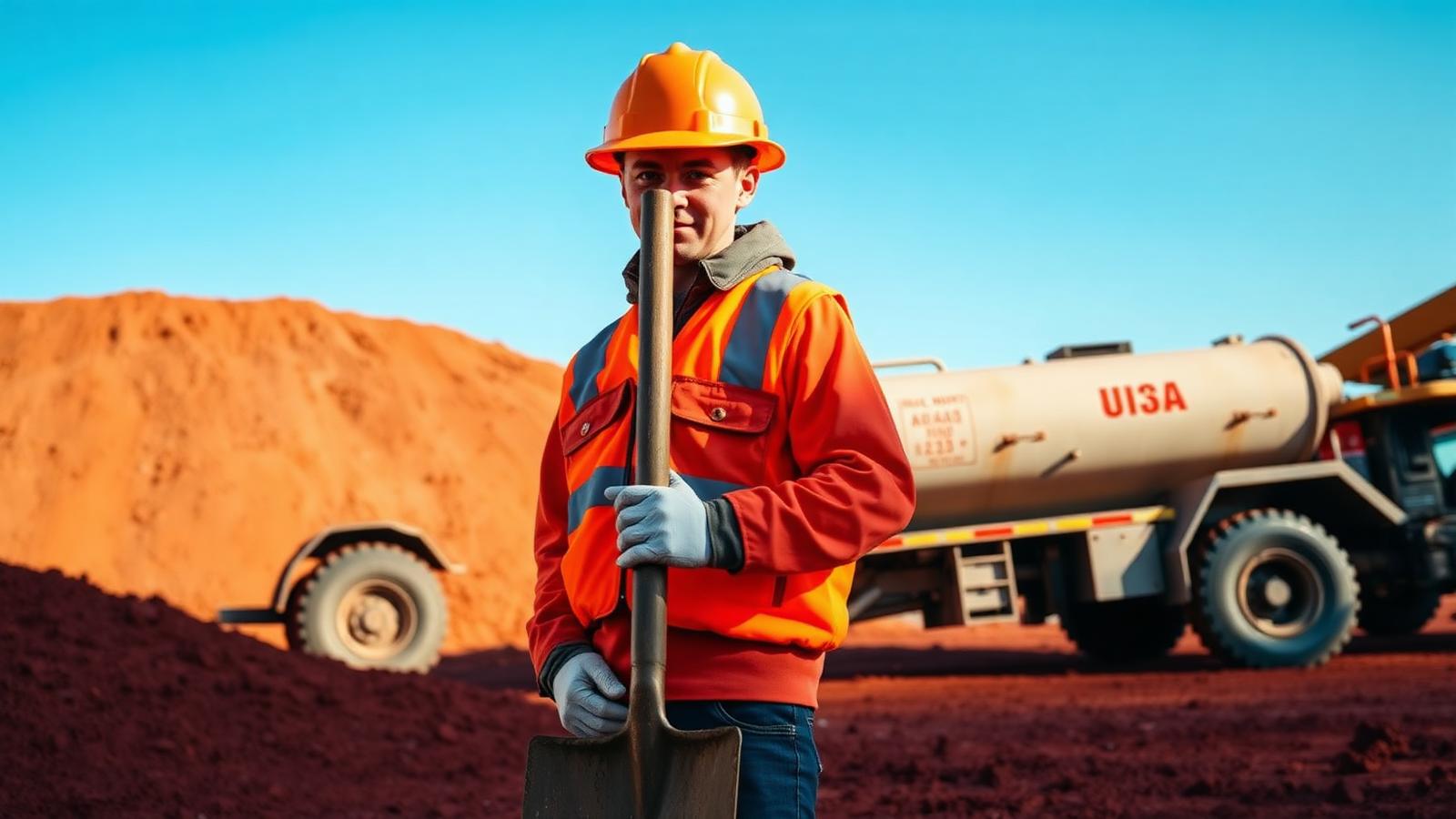
Entry Level Mine Site Jobs in Australia
Which mine site jobs genuinely hire beginners across WA, Queensland, NSW and the NT — what they pay, and a 90-day plan to get your first swing.
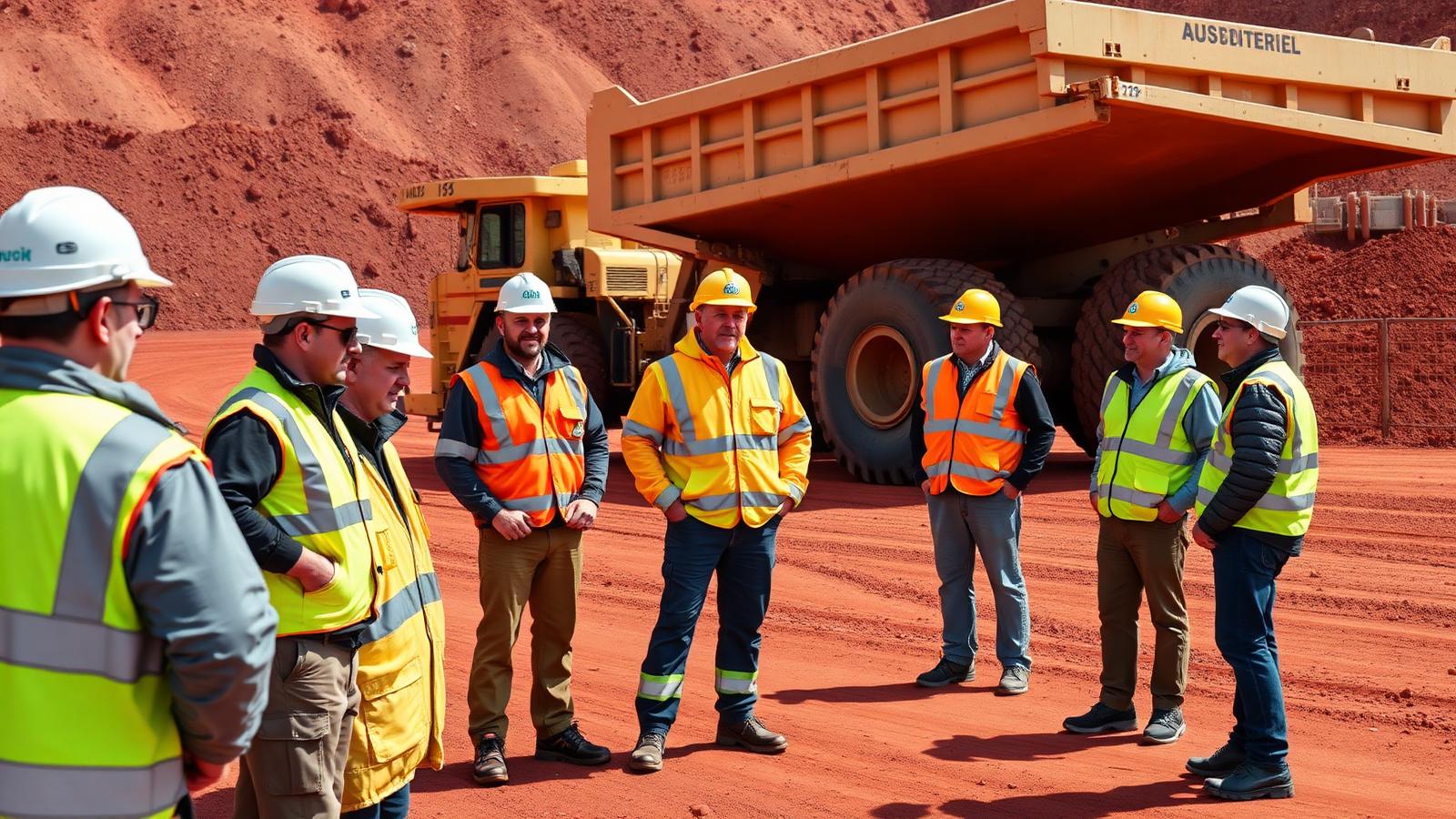
Entry level mining work in Australia is real, well paid and available in every mining state — but the job titles are not the ones most beginners search for. Understanding which roles are designed to take untrained people, and which ones quietly require years of experience, is the difference between six weeks of applications and six months of silence.
Roles That Genuinely Hire Beginners
Utility and general hand, camp attendant, kitchen hand, cleaner, laundry attendant, waste and recycling operator, wash bay hand, tyre hand, trade assistant, dust suppression and water cart operator, drill offsider, and production trainee programs. Those titles carry the vast majority of no-experience hires in Australia.
Traineeship and pathway programs run by BHP, Rio Tinto, Fortescue, Roy Hill, Newmont and Glencore are the other genuine entry door. They open in defined windows, take applicants with no mining background, and lead directly to operator seats. They are competitive, but they are not closed.
What Entry Level Actually Pays
Camp and site services roles typically sit between $65,000 and $85,000 with accommodation, meals and flights provided. Trade assistants and shutdown labour usually run $80,000 to $110,000 depending on hours and penalties. Production trainees generally start between $90,000 and $110,000 and step up quickly once assessed on machinery.
Because food and accommodation are covered while on swing, take-home savings on entry level FIFO work are usually far higher than an equivalent salary in a city job. That is the real financial case for starting at the bottom of a mine site.
State by State Differences
Western Australia is the largest market by a wide margin, centred on iron ore in the Pilbara and gold around Kalgoorlie. Most hiring flows through Perth.
Queensland is dominated by coal in the Bowen Basin and Surat Basin, and requires a Coal Board Medical and a Queensland-specific Generic Induction rather than WA's Standard 11.
New South Wales coal work in the Hunter Valley favours residential and DIDO workers. The Northern Territory and South Australia are smaller but far less contested — applicant numbers per vacancy are dramatically lower.
A 90-Day Plan to Get Hired
Days 1 to 14: get your police clearance, book your Standard 11 or Queensland Generic Induction, and rewrite your resume around safety, reliability, shift work and physical capability.
Days 15 to 45: add White Card, Working at Heights, Confined Space and First Aid. Register with at least eight labour hire firms and complete every profile fully, including licences and availability.
Days 46 to 90: apply to a minimum of fifteen roles a week across contractors, catering providers and direct employer portals. Follow up by phone after five days. Accept the first reasonable offer, complete a full swing safely, then use that verified site reference to move up.
Key Takeaways
- Search support and services job titles, not 'mining jobs', to find beginner roles.
- Entry level FIFO commonly pays $65k to $110k with food and flights covered.
- Queensland needs a Coal Board Medical; WA needs Standard 11.
- One completed swing turns you from an unknown into a referenced worker.