Tickets, Licences & Training
What each Ticket Costs, How long it takes, and Which ones matter for your target role.
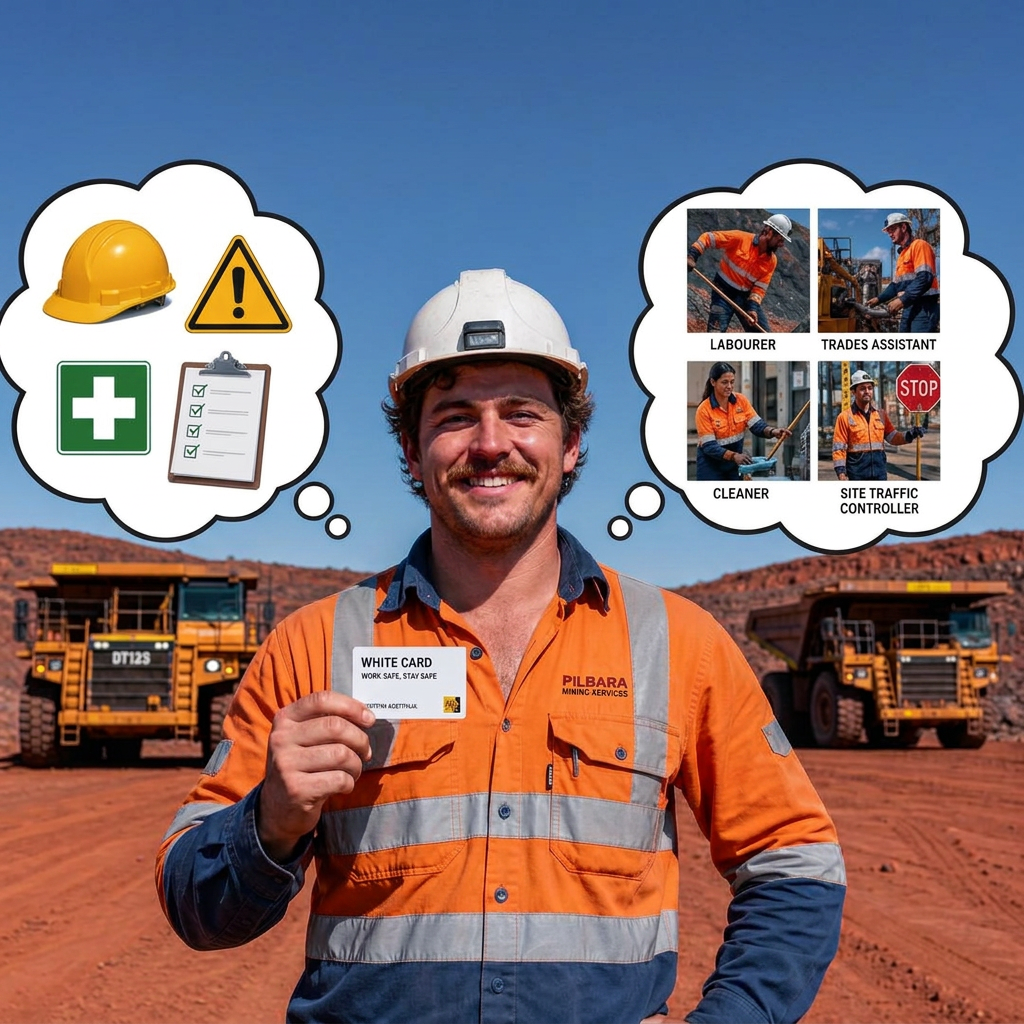
The White Card is the absolute baseline for setting foot on any Australian construction or mine site — no White Card, no gate access, no exceptions. Officially called CPCWHS1001 General Construction Induction, it's a nationally recognised unit of competency delivered by Registered Training Organisations either in a classroom for a single day or entirely online for around $50 to $150. The course covers your legal duties under Work Health & Safety law, common site hazards, safe work method statements, hazard reporting, incident procedures, PPE requirements, and how to raise a safety concern without fear of reprisal. Once issued, your card is valid nationally and does not expire, though some employers ask for a refresh if you've been out of the industry for more than two years. Keep the physical card in your wallet and a digital scan on your phone — recruiters routinely ask you to email a copy before they'll even book a phone screen. If you're serious about mining, book your White Card first, then Standard 11, then everything else. It's the cheapest ticket you'll ever buy and it unlocks every other conversation.
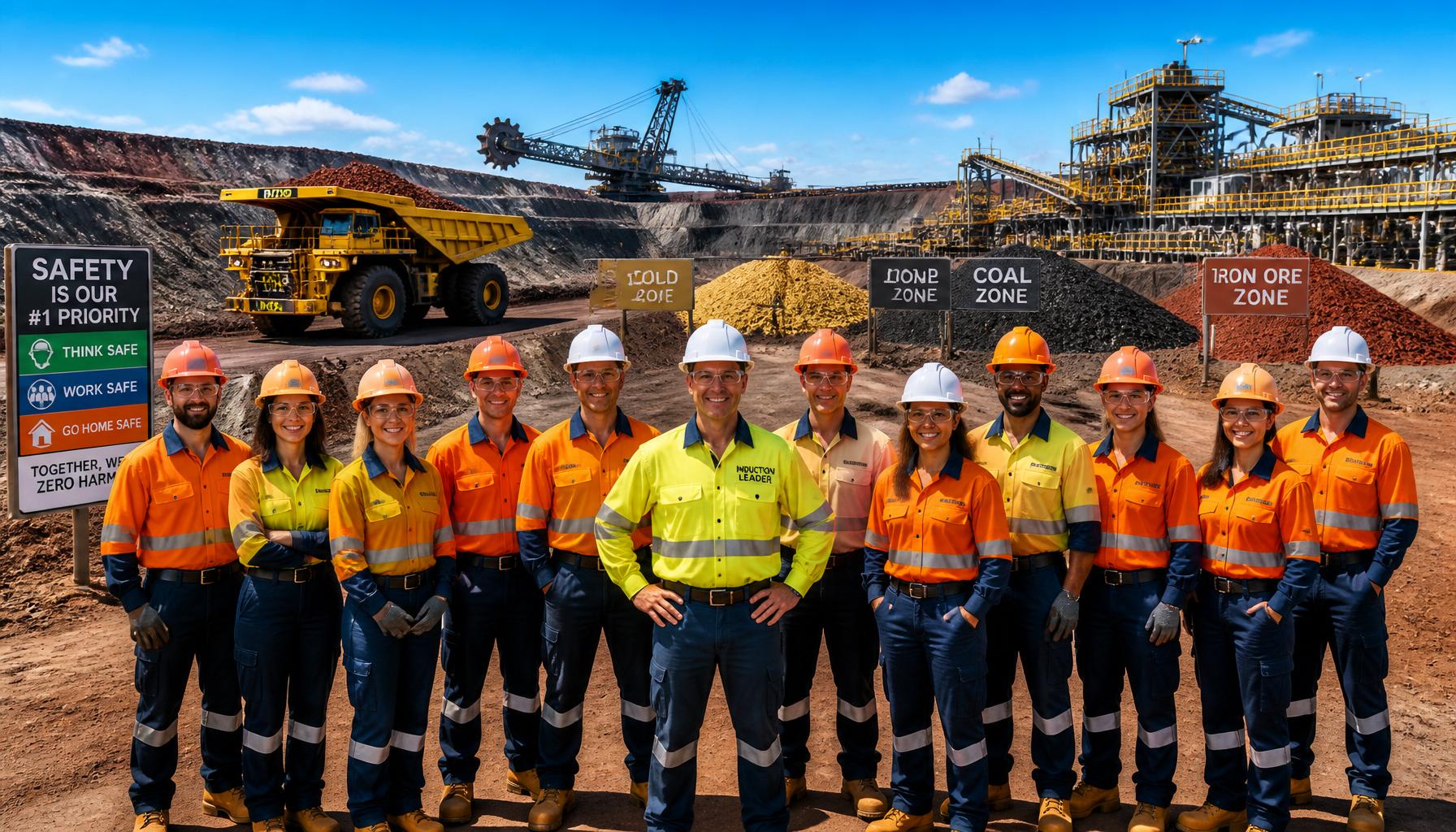
Standard 11 is the Gold-Standard Entry-level Mining Induction and is Legally required for anyone working on a Queensland Coal Mine. Its now Importance and Reputation means WA Iron Ore, Gold and Nickel sites also treat it as Strong Evidence you understand Mine-Site risk. The full course runs five days at an RTO, mixing Classroom Theory with Practical Assessments and typically Costs between $500 and $900 depending on Provider and Location. You'll cover the Coal Mining Safety and Health Act, Hazard Identification, Isolation and Tagging, working at Heights, Confined spaces, Hazardous chemicals, Emergency response, Fire safety, Manual handling, and Fitness for Work. Assessment includes written Exams, a Practical scenario, and often a fitness component. Once you Pass Standard 11 Technically is never expires but most sites require a Refresher course of (typically one day) every two to five years, and every new employer will also run their own Site-Specific Induction on top. If you're new to Mining and can only afford one ticket beyond the White Card, this is the one to get. It signals to Recruiters that you're Genuinely committed and reduces the training burden for the Labour Hire Company hiring you.
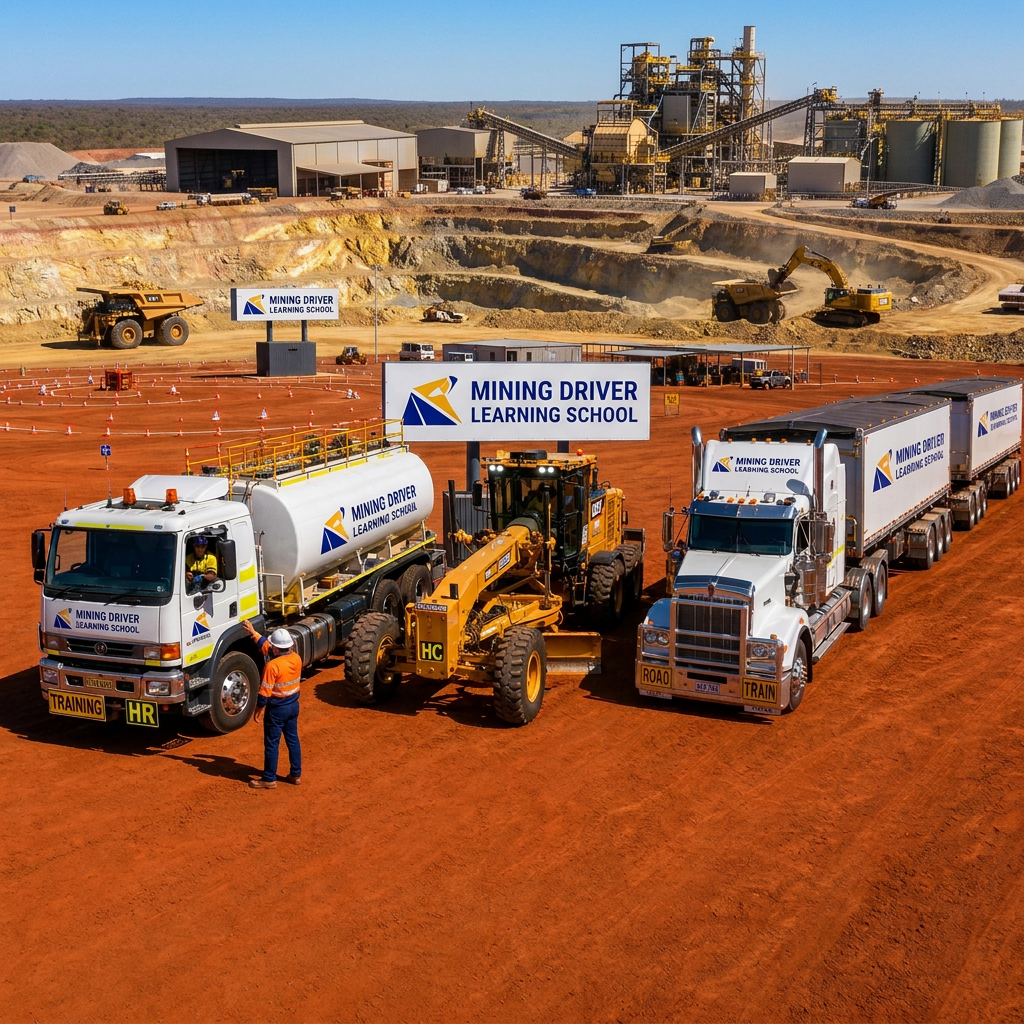
A Heavy Rigid (HR) or Heavy Combination (HC) Licence is the Entry Strategy for anyone wanting to Drive Service Vehicles, Water Carts, Fuel Trucks, Buses or Tipper Trucks on a Minesite. HR Covers Rigid Vehicles over 8 Tonnes with any number of Axles, While HC adds Articulated Combinations up to a Prime Mover with a Single trailer. Training runs from a Single day for Experienced Drivers upgrading through to a Full week for Beginners, with costs sitting between $600 and $2,500 depending on State, Transmission Type, and how many Practical Hours you need. Most mine sites also require you to have held the Licence for at least 12 Months before they'll let you Operate Heavy Plant so plan ahead. Many Labour Hire Companies won't even shortlist you until that 12 Month Timeline has clocked over. On top of the Civil Licence you'll typically need a Verification of Competency (VOC) for the specific Machine, a current Medical Certificate and often a Defensive Driving or Fatigue Management Course. Drivers with HR/HC plus Mining Experience are consistently in Demand and enjoy the most reliable roster patterns On-site.
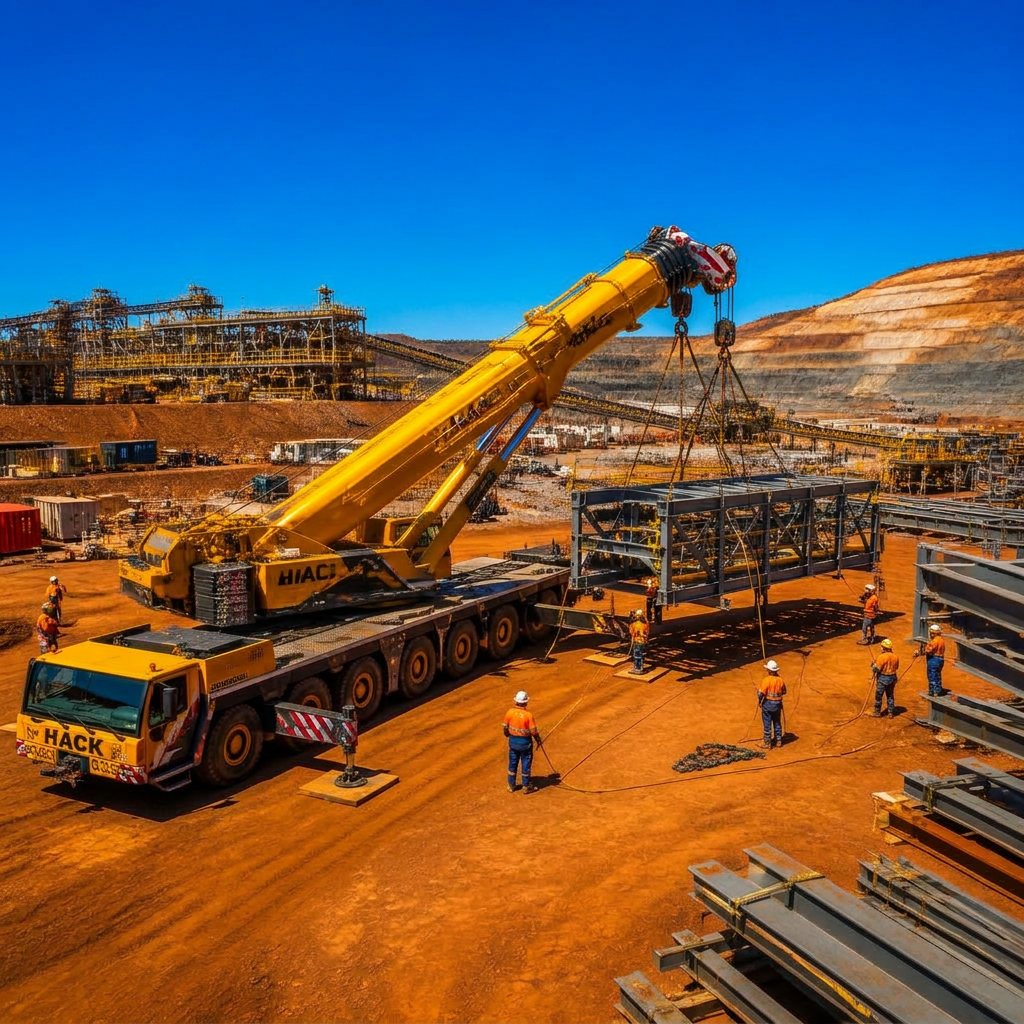
A Dogging Licence (CPCCLDG3001) is a High Risk Work Licence issued by SafeWork or the equivalent State Regulator and it's the entry point into the well-paid world of Lifting and Rigging on Australian mine sites. Doggers direct Crane Operators using standard Hand Signals or radio, select the correct Slings and Shackles for each load, Inspect Lifting gear before use, calculate load weights and Centres of gravity and ensure the lift Path is clear of people and Hazards. The course runs three to five days, blends Theory with Practical Assessment on a Live Crane, and Costs $700 to $1,200 at most RTOs. You must be Over18 and hold a White Card, and Pass a Written Exam plus a Supervised practical. Once you hold your DG ticket you can Immediately Earn a Premium Rate on Shutdowns, Plant Relocations, and Maintenance work . Its the Mandatory Pre-requisite before you can progress to Basic Rigging. Doggers are essential on every Heavy-lift crew, so Demand stays high ALL year-round, particularly during major shutdown windows in the Pilbara and Bowen Basin.
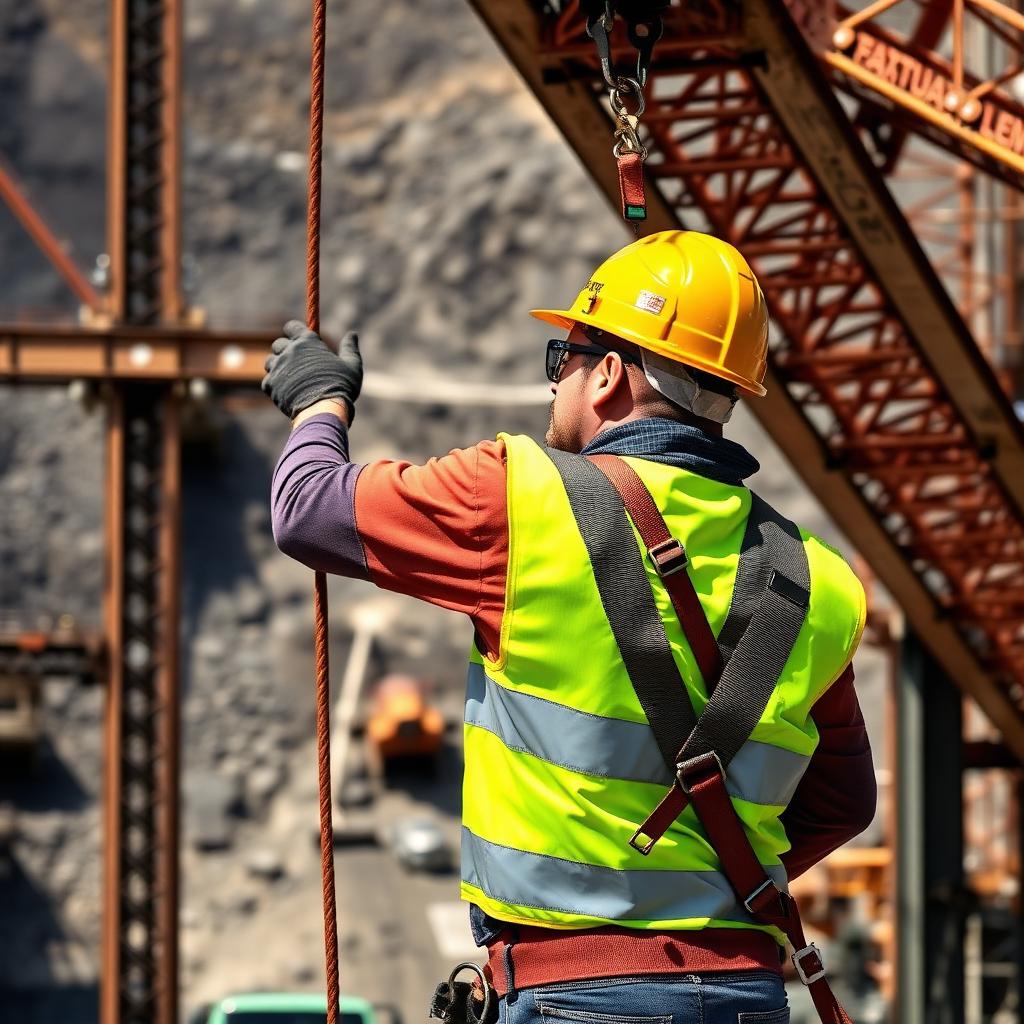
Rigging Tickets stack in Three tiers — Basic, Intermediate, and Advanced and each one unlocks Higher-Paid work on Australian mine sites. Basic Rigging (CPCCLRG3001) requires you to already hold a Dogging Licence and covers Structural Steel, pre-Cast Concrete, Hoists, and Safety nets. Intermediate Rigging adds Cranes, Conveyors, Dual-lift Operations, and Demolition Rigging. Advanced Rigging opens gin poles, flying foxes, guyed derricks, and complex Suspended Structures — the kind of work you'll see during Shutdowns and major plant construction. Each level runs about five days at an RTO with costs between $900 and $1,500 per level, and each requires a Documented logbook of Practical hours before you can sit the Assessment. Riggers with the Advanced ticket routinely earn Premium Daily rates on Pilbara and Bowen Basin shutdowns, plus travel and living-away allowances. Because rigging is a High Risk Work Licence, it's recognised nationally and doesn't expire, but you must keep the Physical Card Current and continue working in the trade to stay competitive. If you're a fit person willing to work at heights, this pathway is one of the fastest routes to a six-figure mining income.
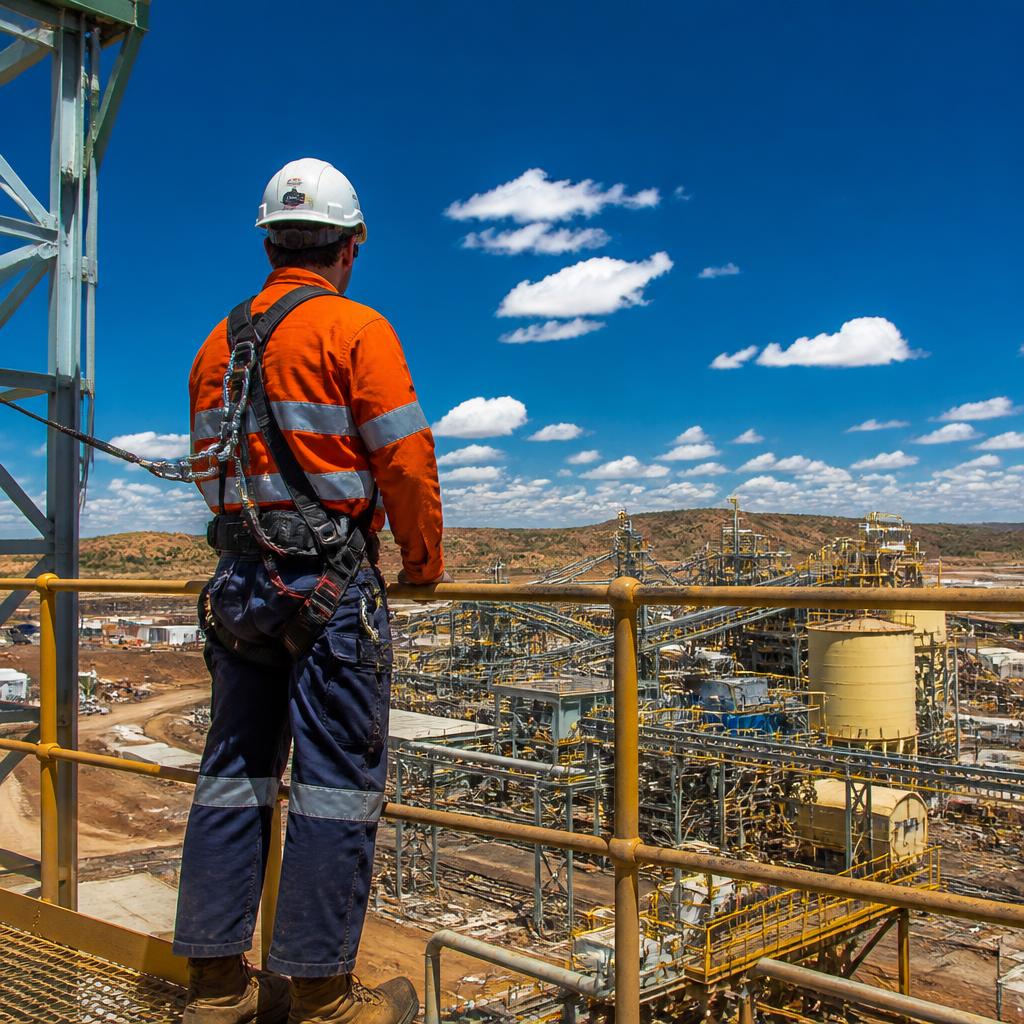
Working at Heights training (RIIWHS204E or equivalent) is a Single-Day Nationally Recognised unit that Qualifies You to work anywhere there's a Risk of Falling two metres or more — which on a Mine site Means almost everywhere. You'll cover the Structure of controls, Fall Arrests versus fall Restraint systems, Harness selection and pre-use Inspection, Anchor Points and Rated attachment, edge Protection, ladder Safety, Elevated work platforms, and rescue planning. Practical Assessments include correctly wearing a full-Body Harness, connecting to an Anchor, performing a Suspended Rescue and Inspecting Equipment for Defects. Cost sits between $180 and $300 at most RTOs and the ticket is required for Boilermakers, Riggers, Scaffolders, Electricians, Painters, Cleaners, Structural workers and pretty much anyone climbing on plant. Refresh is typically every two years, and Many Employers also require an annual toolbox review of your harness and lanyard. Because Heights Work carries elevated fatality risk, sites take this ticket seriously! Expect random audits of your harness Inspection Tag and Rescue plan. It's cheap, Quick, and effectively Mandatory for climbing Anywhere above Ground level.
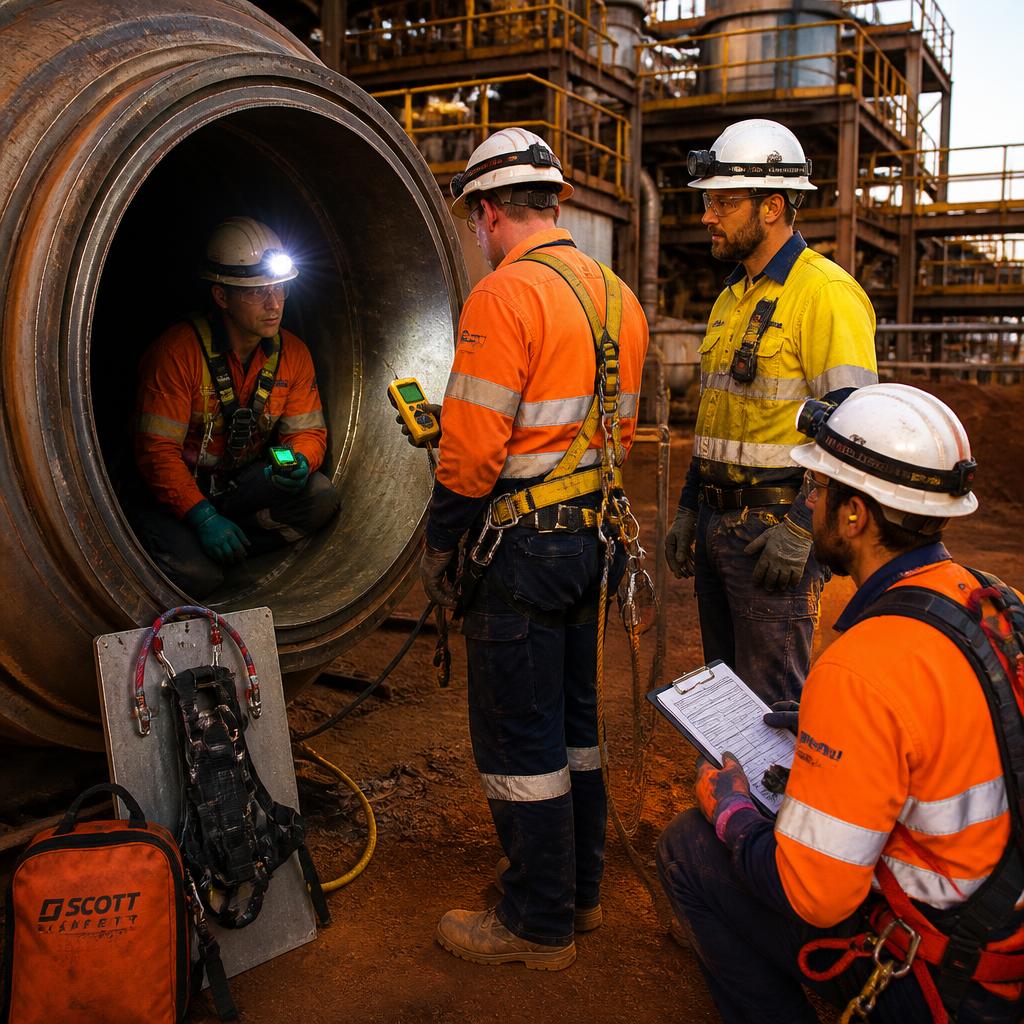
Confined Space Entry training (RIIWHS202E and RIIWHS210E) teaches how to Safely Work inside Tanks, Vessels, Silos, Ducts, Pipelines, and any Enclosed area with Restricted access and potential Atmospheric Hazards. A single-day course at an RTO costs $220 to $350 and covers Permit-to-work Systems, Atmospheric Testing with Gas Detectors, Ventilation and Purging, Safe entry procedures, Communication protocols, Standby Personnel duties, and Emergency Rescue plans. You'll practise using a Four-Gas Monitor and wear breathing apparatus if the site requires it. Likely to also run a Practice Rescue. Confined Space is one of the Highest-Fatality Categories in Australian mining and processing. Most Incidents involve Oxygen Deficiency, Hydrogen Sulphide, or entrapment, so sites are Strict about Permits, Tag Boards, and Rescue Readiness. The real earning power comes during shutdowns: Boilermakers, Welders, Cleaners, and Inspection Crews with a current confined space ticket routinely command Premium Rates because the work is Uncomfortable, Permit-heavy, and Skill-limited. Refresh every two years and always keep your Gas Monitor Calibration record with you. If you're a Tradesperson Chasing Shutdown dollars, this ticket pays for itself on day one.
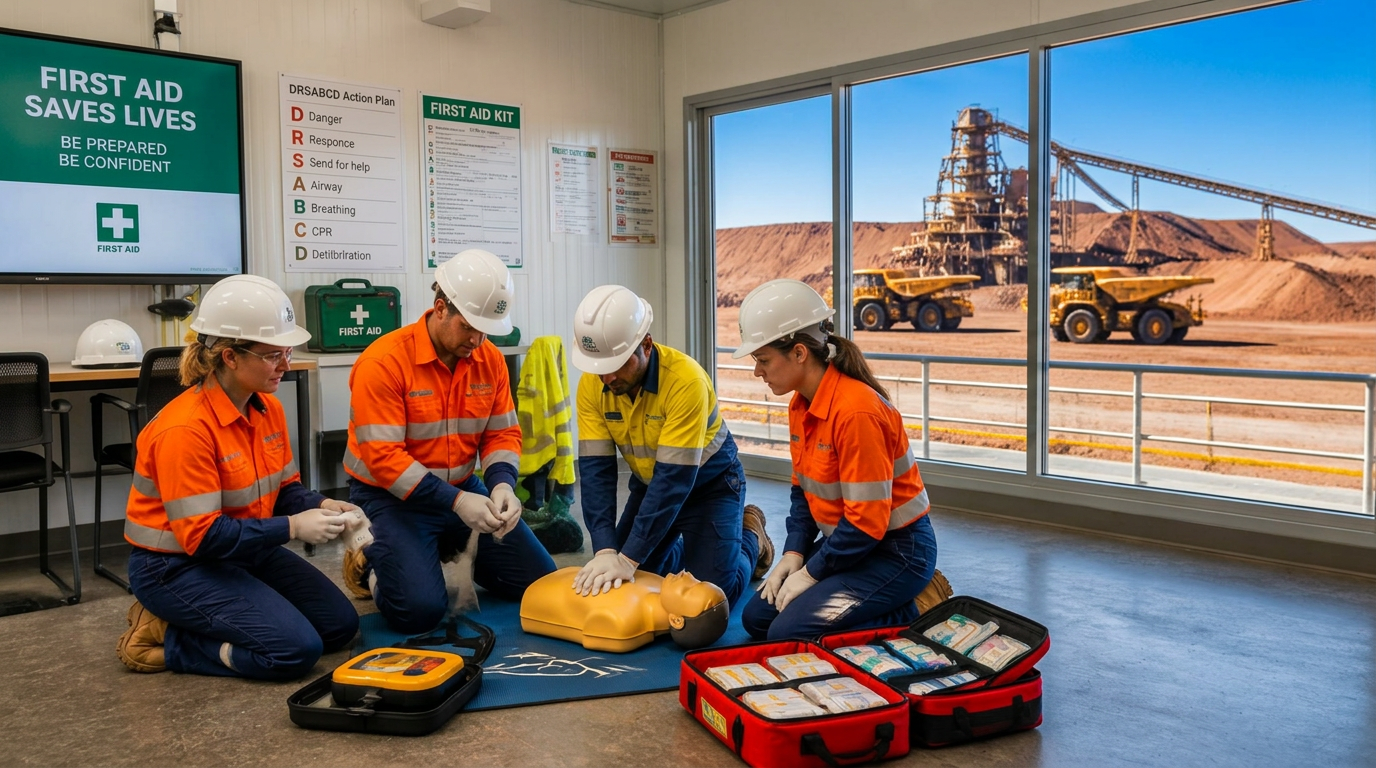
The Certificate HLTAID011 Provide First Aid and HLTAID009 Qualifications to Provide CPR are the Standard Workplace First Aid Trainings and are considered Mandatory on Australian Mine Sites. In fact Many Labour Hire Agencies insist on Applicants having this Certificate as Minimum to Enter Minesite. The Single-day combined Course Costs $130 to $180 and covers Primary and Secondary Surveys, CPR on Adults, Infants, and Children. Also Trains for use of an Automated External Defibrillator (AED) Burns, Fractures, Shock, Management of Bleeding, Snake Bite, Anaphylaxis with an EpiPen, Heat and Cold Injuries, and Psychological First Aid. Assessment is a mix of Written Questions and a Practical CPR Demonstration on a Mannequin. CPR must be Refreshed Every 12 months and the Full First Aid Ticket every Three years. Most Workers just book the combined refresh annually to stay simple. On remote Mine sites, Medical Response times can be long and Emergency Service Helicopters may take hours to arrive so your First Aid Skills Genuinely matter. Many teams also nominate Designated First Aiders who receive a Small Allowance on top of base pay. It's the Cheapest, Fastest Ticket that Quietly Influences almost every Recruitment Decision.
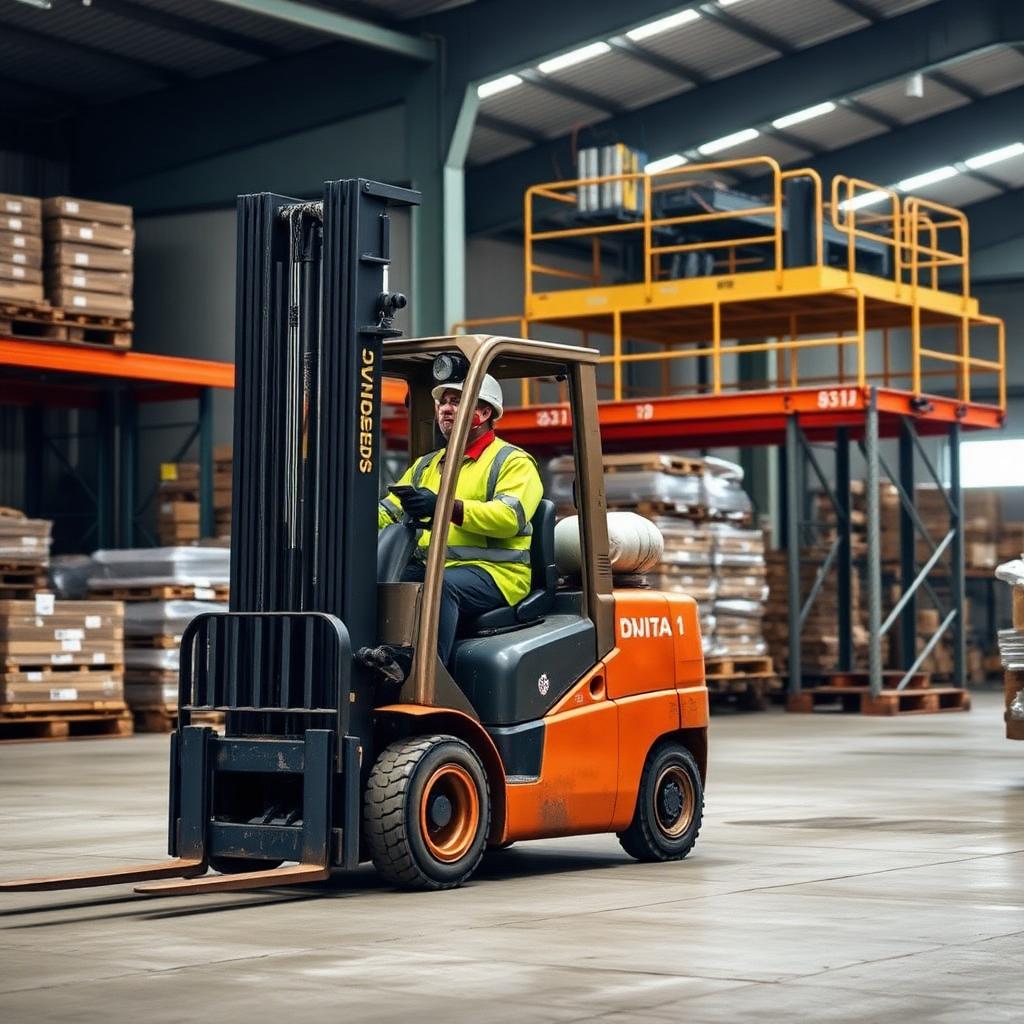
The Forklift Ticket (LF) and Elevated Work Platform (WP) Plus the Fire Warden Tickets are 3 Quick and Cheap Courses that will add Strength to your Mining Resume. Nearly all Mining Work is Heavy Components so a Forklift Ticket (TLILIC0003) is an Absolute Necessity and Required for almost every Mine Site Role. Although its not a difficult Course to Qualify there is an element of Risk so this Certification comes with High Risk Work Licence Issued by SafeWork Australia and runs about 2-3 Days for beginners or One Day for Upgraders. Cost is around $300 to $400 and is Absolutely Essential for Warehouse Store Persons and anyone moving Palletised Freight around a Mine Camp or Lay-Down Yard. The Ticket called EWP (TLILIC0005) covers boom lifts over 11 metres and is required for Maintenance Crews Accessing Conveyors, Silos, and Structural Steel. This is a Full Day Course and costs about $250 to $400. Fire Warden training (PUAWER008B and related units) covers Emergency Evacuation Procedures, use of Fire Extinguishers on different fire classes, Muster point Management, and Post-incident reporting. It will cost around $180 to $250 and rotates through most site teams. Stacking these Three Core Tickets alongside your Standard 11 is a proven way for Entry-Level Applicants to jump ahead of the queue. Obtaining these Qualifications, Tickets and Courses show Initiative, cover Common Site Tasks and reduce the Training Hurdles for the employer taking you on.
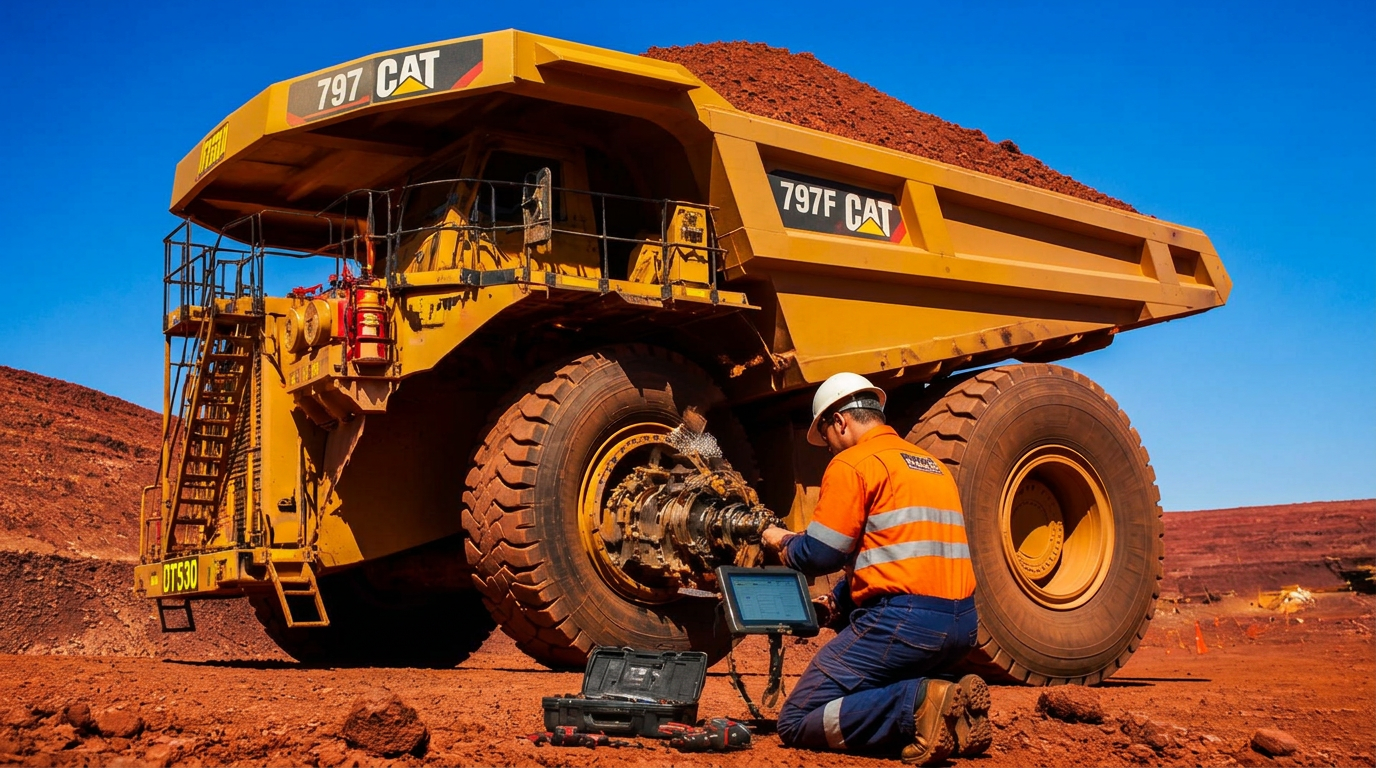
A Certificate III Trade Qualification is a Necessity for Skilled Mining Roles including Diesel fitters, Boilermakers, Auto Electricians, Heavy Duty Diesel Mechanics, High Voltage Industrial Electricians, and Instrumentation technicians. The pathway is a 4 Year Paid Apprenticeship combining structured on-the-job Hours with Block Release TAFE study resulting in a Nationally Recognised Cert III. Apprenticeships pay a Training wage during the Qualification and lead to some of the most consistent, Highest-Paid work in Australian Mining. Qualified FIFO trades routinely earn $150,000 to $220,000 Per Year! Plus 12% Australians Superannuation, Training Cost and Location Allowances plus Camp Accommodation. Overseas-trained Tradespeople must have their skills Recognised through Trades Recognition Australia (TRA) via the Offshore Skills Assessment Program or Job Ready Program, which typically involves document assessment, a technical interview, and Supervised Workplace Hours in Australia. Once Qualified add Additional Mining Related Certificates such as Fixed Plant / Mobile Plant maintenance, Hydraulics, Welding tickets (MMA, MIG, TIG, pipe positions) and Electrical High-Voltage switching to Specialise in Shutdown Work or Major Maintenance contracts. If you're young and considering the pathway, an Apprenticeship with a Tier One miner or a major contractor is the single most durable ticket in this whole list — Trades never go out of Demand!
Regulatory & compliance essentials
- WA Work Health & Safety (Mines) Regulations 2022 govern most WA sites.
- Every worker must complete a site-specific induction — it's on top of Standard 11.
- Fitness for Work: expect random drug & alcohol testing. Prescription meds must be declared.
- Working near explosives, high-voltage or shafts triggers extra competency assessments.
- National Police Check and proof of right to work in Australia are standard.