How to Train for Australian Mining Jobs
Which Courses Actually get you Hired, where to Study, and what the Government helps pay for.
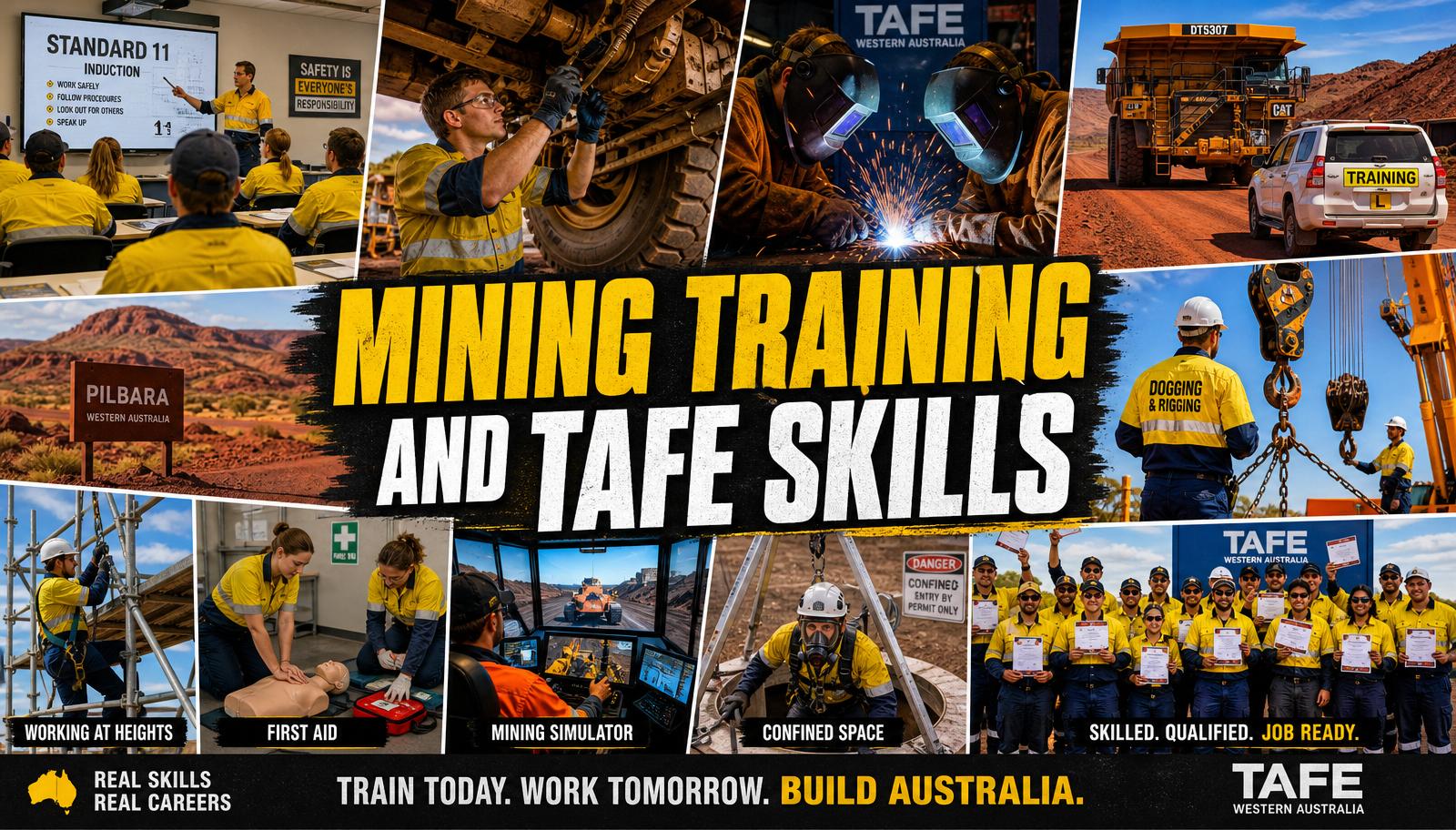
EARN SIX FIGURES in Australian Mining! This Step-by-Step Guide maps out the Training Providers, and the Pathways Recommended to choose
Training Providers, RTOs, Colleges & Schools
A deeper look at each of the major Training Providers, RTOs, TAFEs and Universities that feed the Australian Mining Industry.
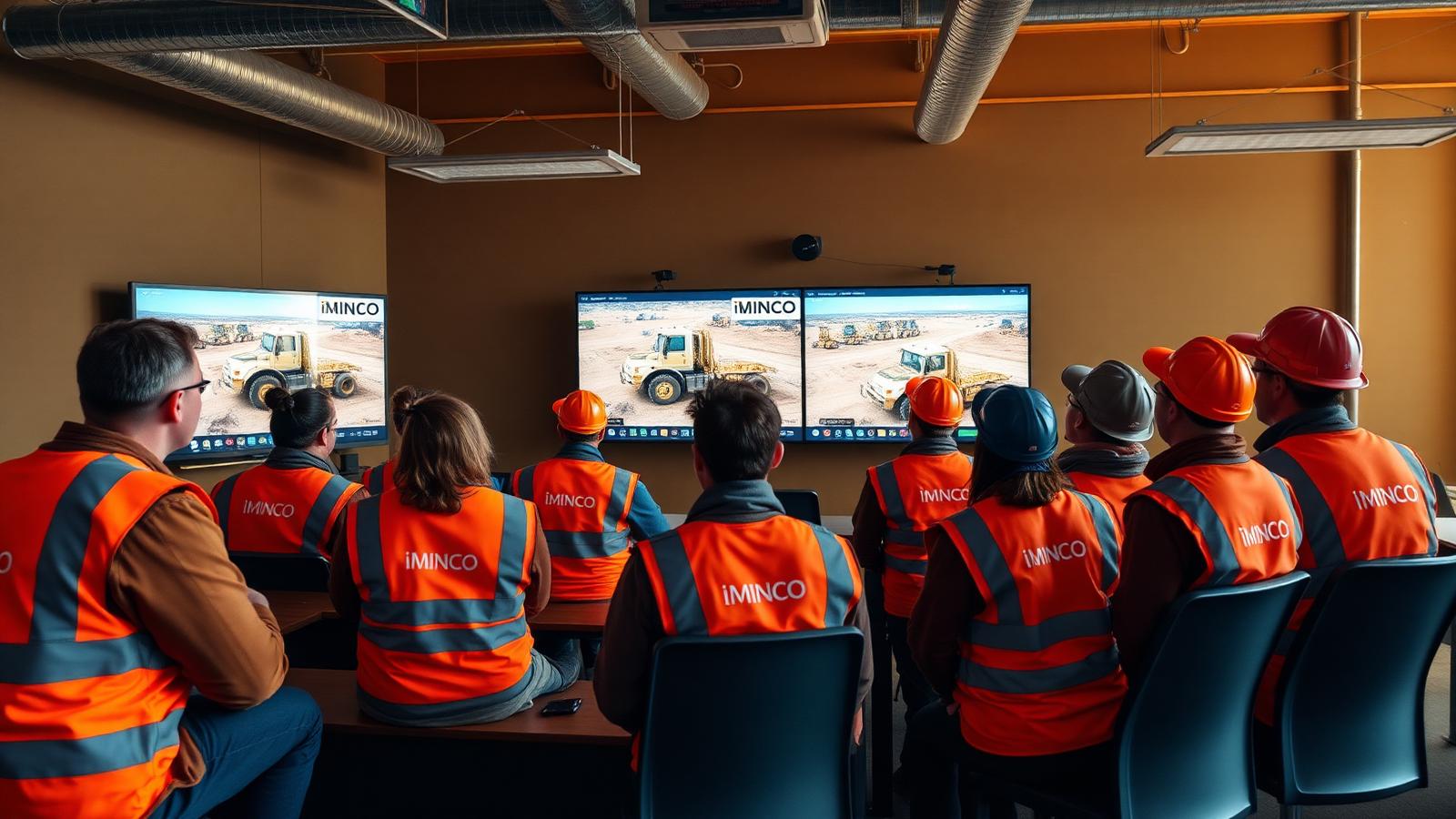
iMINCO
iMINCO is one of Australia's longest running Mining-Industry Training and Career Information Providers, based in Queensland but servicing candidates nationwide. They specialise in helping people with ZERO Mining Experience get their first Minesite Start, and their content library is a go-to for anyone researching Entry-Level Roles.
- Standard 11 Generic Induction (Queensland Coal) — the ticket almost every QLD coal site demands
- Heavy plant and haul truck simulator hours (great resume evidence for entry-level operators)
- Confined Space, Working at Heights, Gas Test Atmospheres short courses
- Direct job-board and employer referral network across QLD, NSW and WA

MEGT / Apprenticeship Support Australia
MEGT is one of the Federal Government's official Australian Apprenticeship Support Network (AASN) providers. They don't deliver Training themselves — they Broker, Sign up and Support Mining Apprenticeships and Traineeships between the Employer, the Apprentice and the RTO, and they administer the Government Incentive Payments.
- Cert III Engineering — Mechanical (Fitter), Fabrication (Boilermaker), Auto Electrical
- Cert III in Surface Extraction Operations traineeships with major producers
- Manages Trade Support Loans and Australian Apprentice wage subsidies
- Ongoing mentoring and workplace visits for the life of the apprenticeship
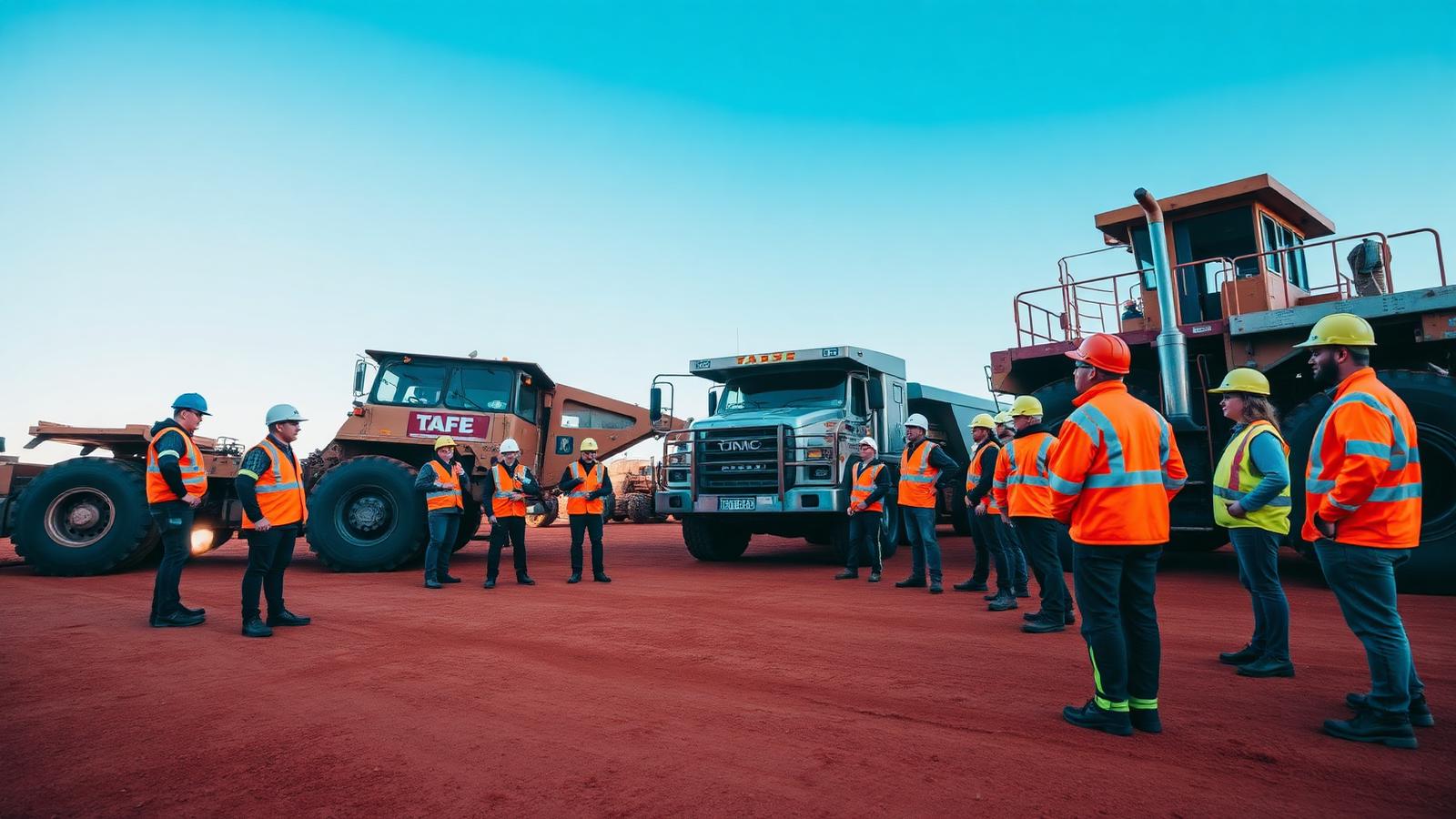
TAFE WA (North Metro, South Metro & Pilbara)
TAFE Western Australia is the State-Government Training Arm and by far the Biggest Single Supplier of Qualified Mining Tradespeople and Operators in the country. The Pilbara Campus in particular (Karratha, Port Hedland, Newman) is embedded with Rio Tinto, BHP and FMG — many students walk straight from Graduation into a Site Role.
- Cert II in Resources & Infrastructure Work Preparation (RIIWHS204 etc.)
- Cert III & IV in Surface Extraction, Underground Metalliferous Mining, Drilling
- Heavy Rigid (HR) and Heavy Combination (HC) truck licence programs
- Jobs and Skills WA funding brings many courses under $1,000 for eligible residents
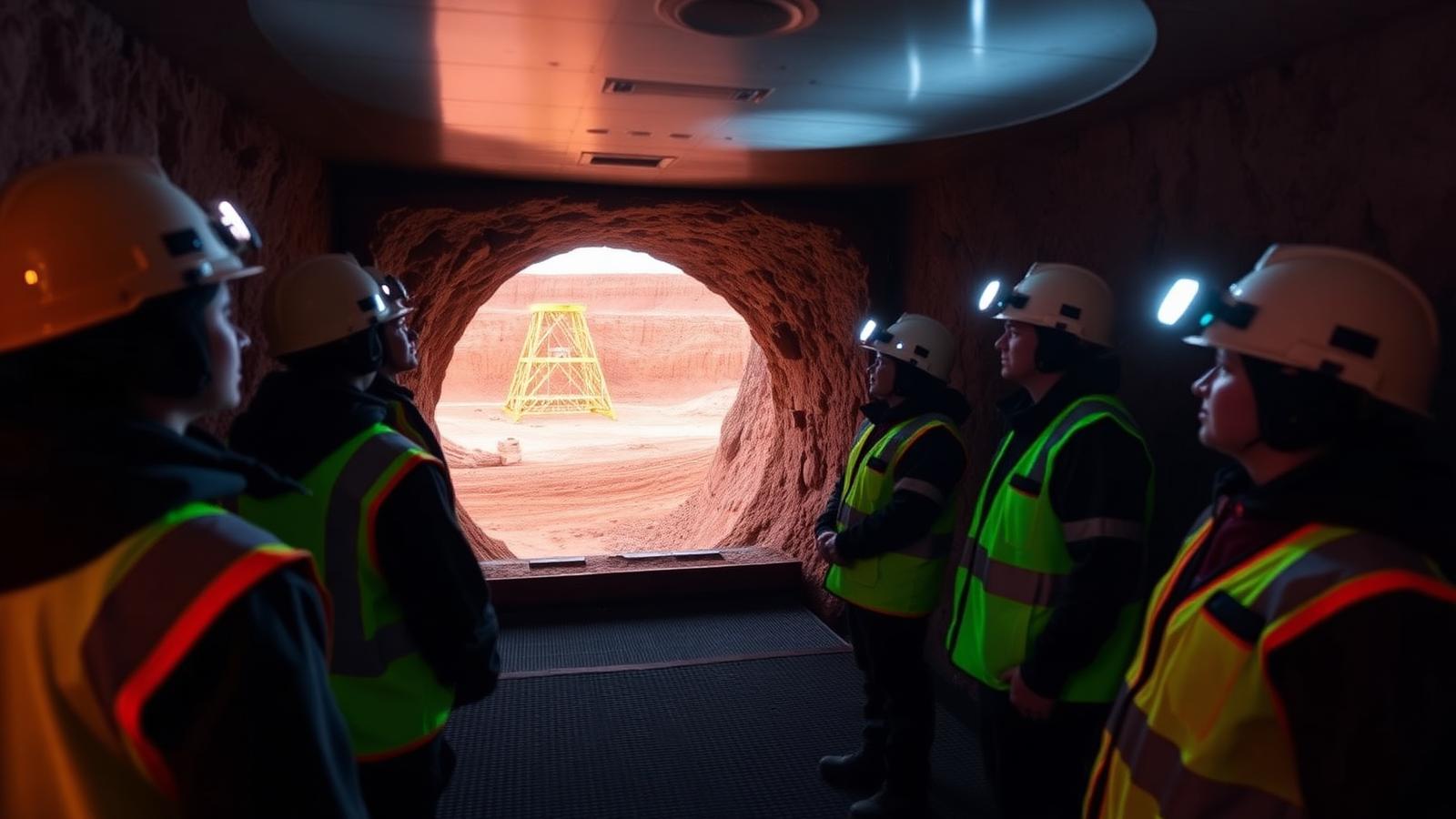
Central Regional TAFE (Kalgoorlie)
Central Regional TAFE's Kalgoorlie Campus sits in the heart of the WA Goldfields — walking distance from KCGM's Super Pit and a short drive from Northern Star, Evolution and Gold Fields operations. Courses are shaped around what those operators actually need, and industry Guest Lecturers are common.
- Cert II & III in Underground Metalliferous Mining (nipper, jumbo, bogger, truck)
- Cert III in Surface Extraction Operations
- Shotfirer and Blast Crew preparatory units
- Strong feeder pipeline into Northern Star, Evolution and KCGM
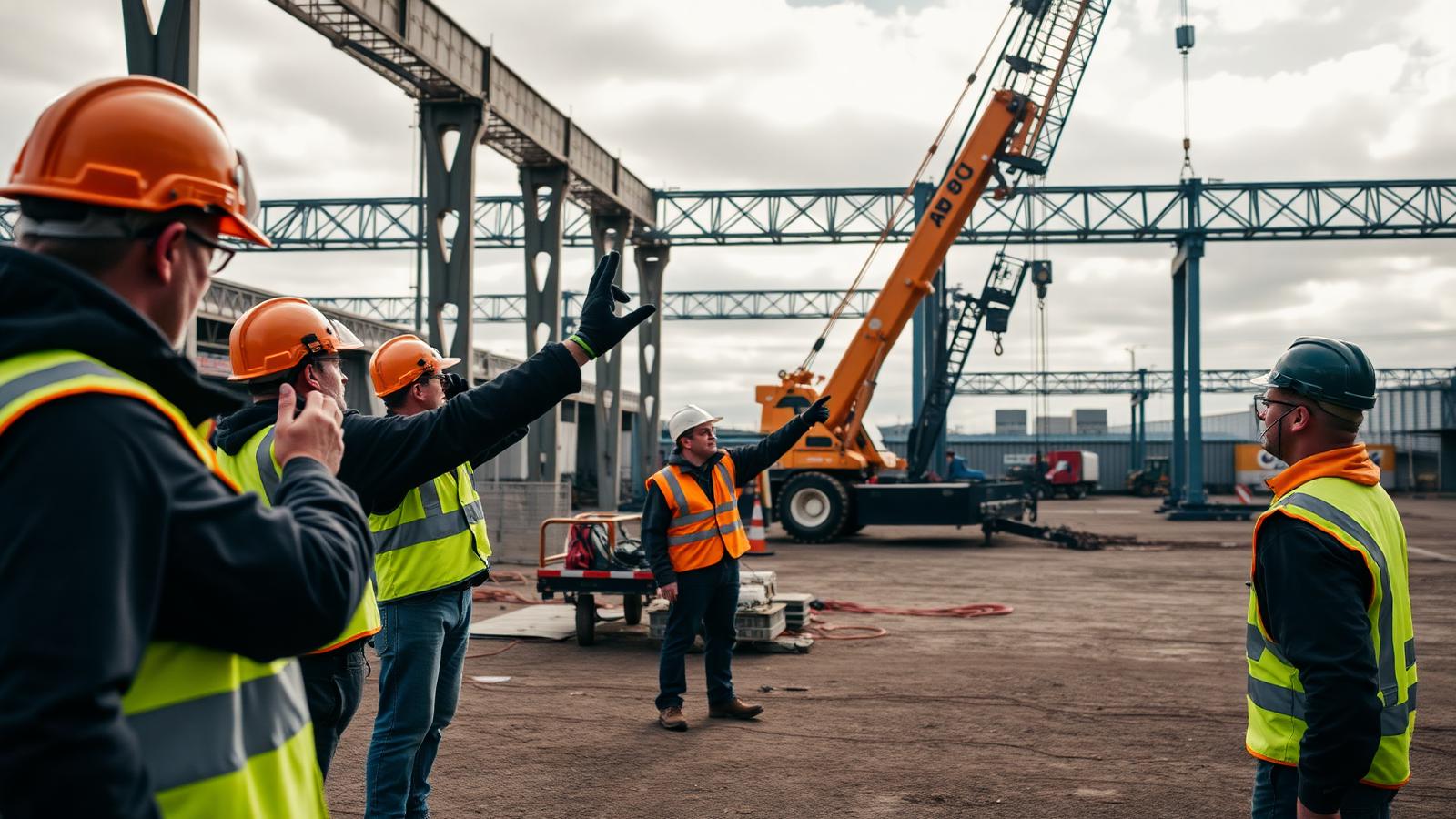
AllTrainingWA / Site Skills Training
These are the RTOs you go to when you already have a Job Offer (or an Interview) and you need to knock over 3 or 4 Tickets fast. Courses typically run 1–5 Days each, are delivered in Perth, Karratha, Port Hedland and Kalgoorlie, and can often be Bundled into a single week.
- Dogging (CPCCLDG3001) and Basic / Intermediate / Advanced Rigging
- Elevated Work Platform (EWP) over 11m
- Working at Heights and Confined Space Entry
- Gas Test Atmospheres — a big earner on shutdowns
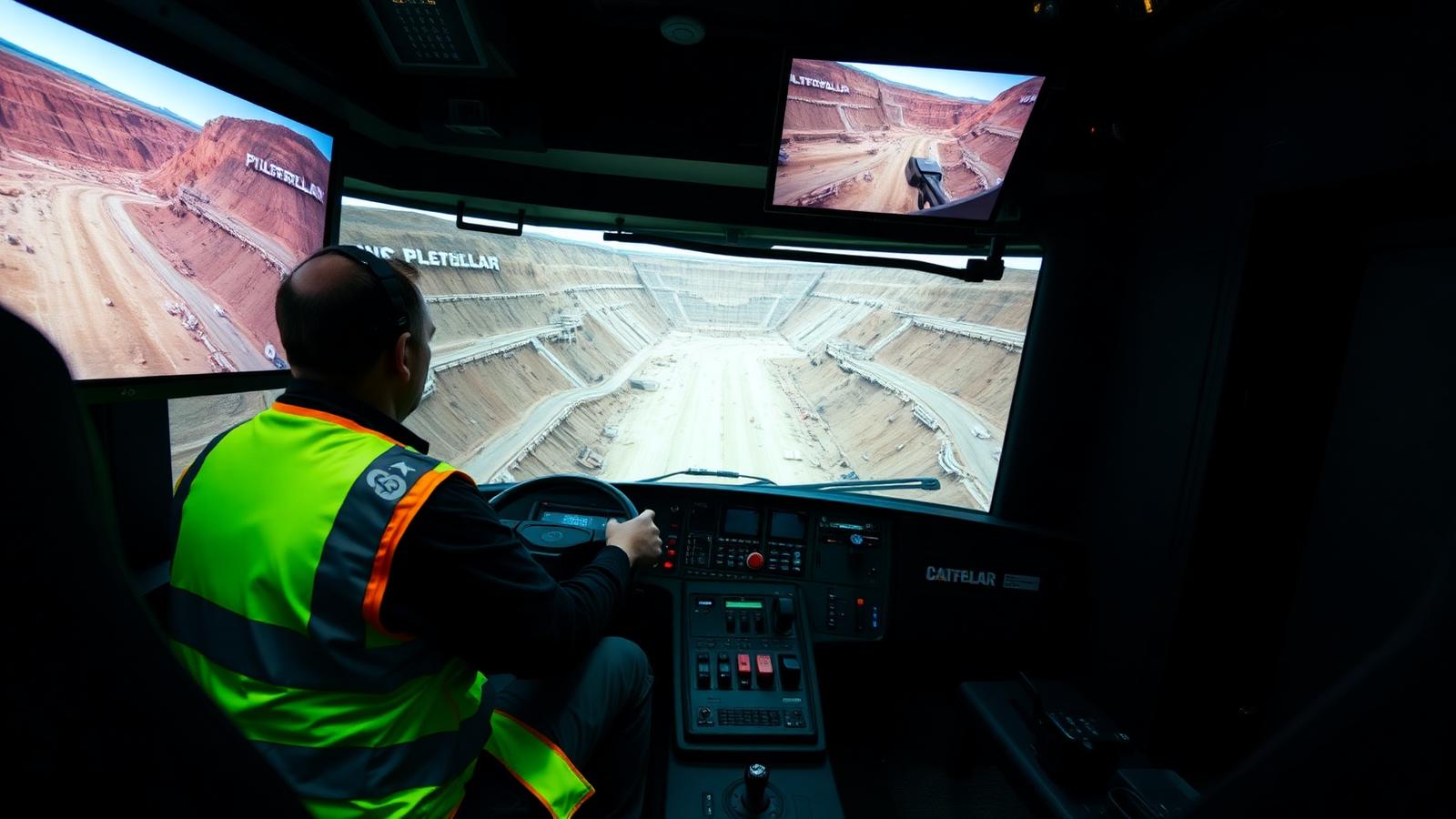
Simulator Training Australia
Simulator Training Australia runs high-fidelity replicas of the machines Rio Tinto, BHP and FMG actually operate. You Can't legally 'Drive a Haul Truck' before you're inducted On-Site, but recorded Simulator Hours are one of the strongest bits of evidence an Entry-Level Operator can put on a Resume.
- Caterpillar 793F and 797F ultra-class haul trucks
- Komatsu 930E electric-drive haul trucks
- Caterpillar D10/D11 dozers and 24M graders
- Certificate of completion with logged hours for job applications
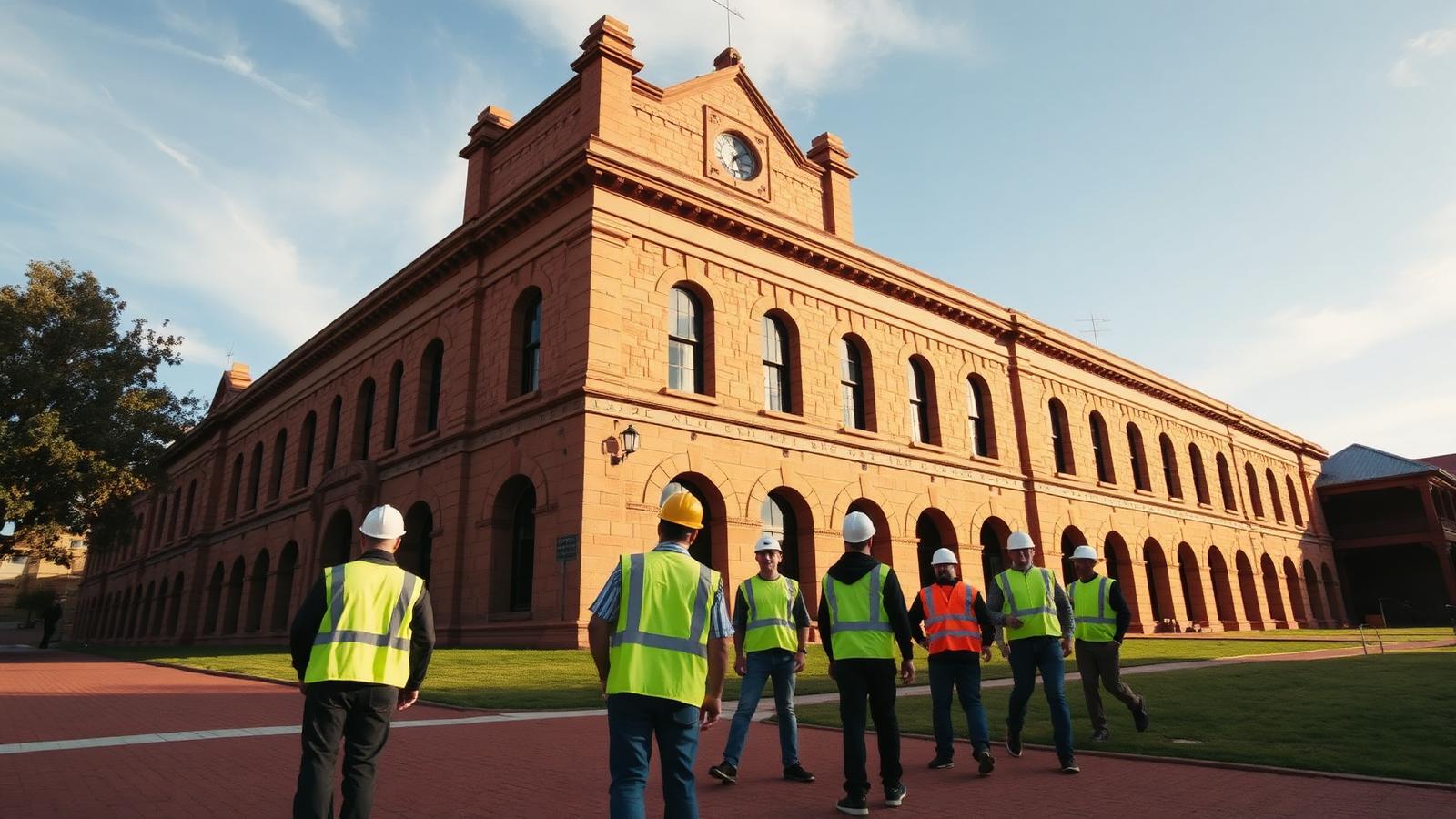
WA School of Mines — Curtin University (Kalgoorlie)
Founded in 1902, the WA School of Mines is one of the top three Mining Schools in the World and the Single Biggest Producer of Australian Mining Engineers, Metallurgists and Geologists. Graduate Programs at Rio, BHP, FMG, Newmont and Northern Star routinely pull from this campus First.
- Bachelor of Mining Engineering (Honours)
- Bachelor of Science — Geology / Applied Geology
- Bachelor of Metallurgical Engineering
- Direct pipeline into Tier 1 graduate programs (Rio, BHP, FMG, Newmont)

University of Queensland — Sustainable Minerals Institute
UQ's Sustainable Minerals Institute in Brisbane is the East-Coast Counterpart to WA School of Mines and the Leading Australian Research Centre for Mining Engineering, Mineral Processing, Geometallurgy and Mine Rehabilitation. It's the Go-To for Postgraduate Study and for Engineers moving into Technical-Specialist Tracks.
- Master of Mining Engineering / Geoscience / Extractive Metallurgy
- Julius Kruttschnitt Mineral Research Centre (JKMRC) processing research
- Centre for Mined Land Rehabilitation programs
- Strong industry ties to BHP, Anglo American and Glencore
Common Training Pathways
Step-by-step roadmaps for the four most common ways people break into Australian Mining. Pick the track that matches your current skills and work backwards from there.
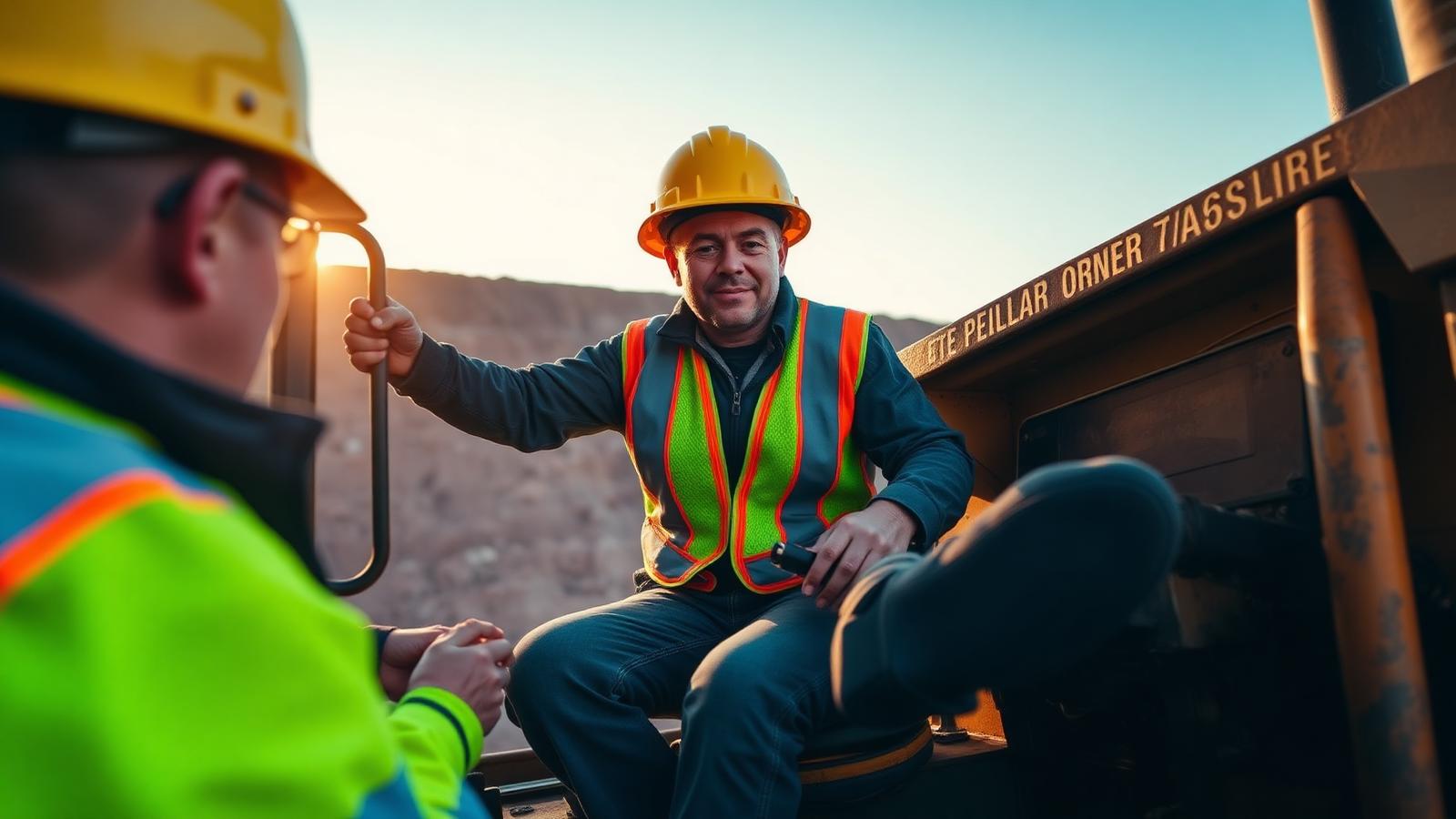
Zero Experience → Truck Operator
The most common question in Australian Mining is 'Can I Get a Job with no Experience?' The honest answer is YES — but only if you build the right Ticket Stack and apply to the right Entry-Level Programs. This Pathway is built around Safety Inductions, a Heavy Vehicle Licence, and Proof that you can handle a Large Machine.
- White Card (general construction induction)
- Standard 11 Generic Induction for Queensland coal, or equivalent site inductions for WA/NT operations
- HR (Heavy Rigid) or HC (Heavy Combination) truck licence
- Apply to entry-level programs such as FMG Trade Up, Rio Tinto Ready, or BHP traineeships
- First site placement as a nipper or labourer, then 3–6 months to full operator rate
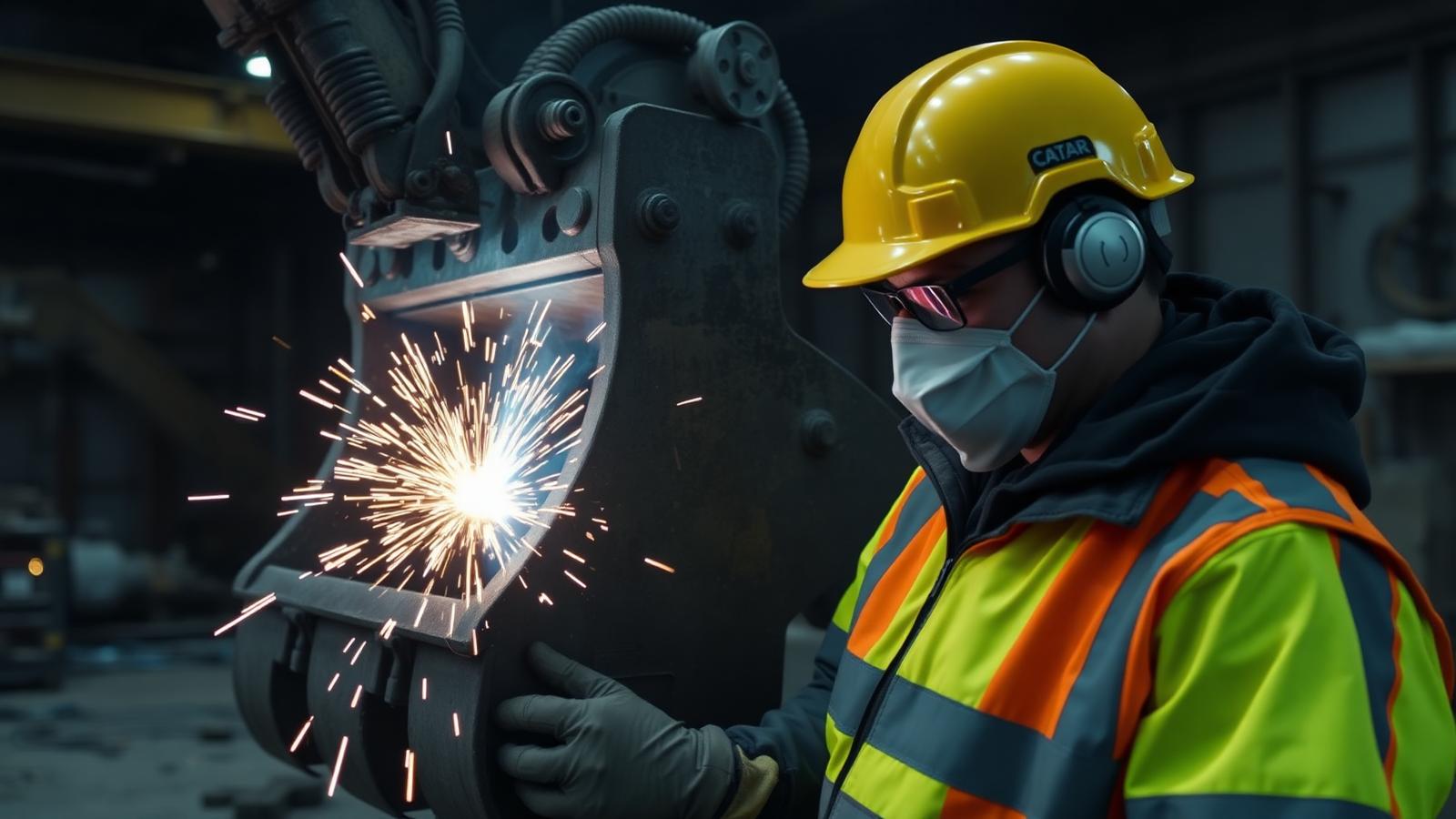
Tradesperson — Fitter / Boilermaker / Auto Electrician
Tradespeople are the Backbone of Mine Site Maintenance. A Completed Apprenticeship gives you a Nationally Recognised Qualification, and after 1–2 years post-trade in a workshop or construction role, you can move across to Mining Maintenance Crews and Shutdowns where Day Rates are Very High.
- Cert III apprenticeship — Mechanical Fitter, Fabrication/Boilermaker, or Auto Electrical
- Site-specific inductions plus Confined Space and Working at Heights tickets
- 1–2 years post-trade experience in a related industry
- Move into fixed-plant or mobile-plant maintenance at a mine
- Join shutdown crews for premium day rates and FIFO travel
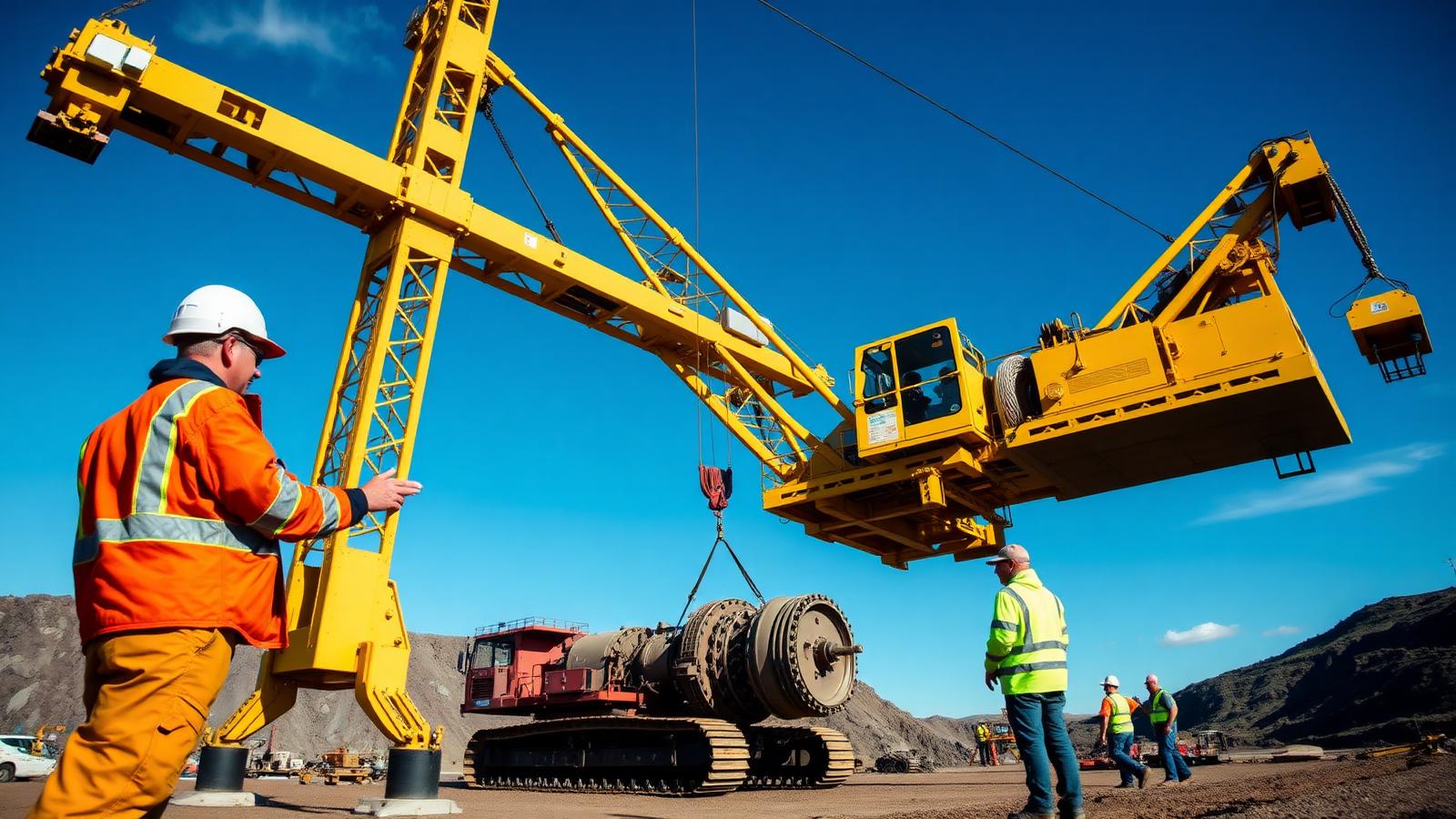
Rigger / Dogger Progression
Rigging and Dogging is a Classic Mining Pathway because almost every Shutdown, Lift, or Plant Relocation needs Certified Riggers. You start with Dogging, progress through Basic and Intermediate Rigging, and eventually hold Advanced Rigging that lets you Plan and Supervise Complex Lifts.
- Dogging (CPCCLDG3001) — plan and direct crane lifts
- Basic Rigging — structural steel and plant equipment
- Intermediate Rigging — cranes, conveyors, and dredges
- Advanced Rigging — multiple crane lifts and tilt-up panels
- Work shutdown rosters for strong FIFO day rates

Engineer / Geologist
If you are still in School or considering a University Career, Mining Engineering, Geology, and Metallurgy are the Highest-Paid Professional Tracks in the Industry. Graduate Programs at Rio Tinto, BHP, FMG, and Newmont rotate you through Sites and usually fast-track you to Senior Technical Roles.
- Bachelor of Mining Engineering, Geology, Geotechnical Engineering, or Metallurgy
- Apply to Tier 1 graduate programs in your final year
- Complete 2–4 years of site rotations across open-cut, underground, and processing
- Move into superintendent, study engineer, or senior geologist roles
- Optional postgraduate specialisation for technical leadership
Funding & subsidies
- Jobs and Skills WA — subsidised training for many resource-industry courses.
- Australian Apprenticeships Incentive System — employer and apprentice payments through the trade.
- VET Student Loans — federal loans for approved diploma-level courses.
- Trade Support Loans — interest-free loans while apprenticed in eligible trades.
- Employer-funded tickets — many operators cover Standard 11 and site inductions once you're hired.