Asia Mining Jobs Guide — Working in Australia
For Mine Workers Across Asia — Visa Routes, Ticket Requirements, English Standards and How Australian FIFO Hiring Works.

Overview
This Asia region page is written for mine workers, plant operators, tradespeople and engineers across the Philippines, Indonesia, Malaysia, India, Thailand, Vietnam and the wider region who are looking at Australian mining. Australian operations have long employed skilled workers from across Asia, especially in fitting, boilermaking, electrical, processing and technical roles.
Visas and English Requirements
Applicants from Asia typically enter through employer sponsorship or a skilled visa, both of which require an occupation on the relevant skilled list, a formal skills assessment and English language evidence such as IELTS or PTE. Start the skills assessment early — it is usually the longest step in the process.
Skills Assessment First, Tickets Second
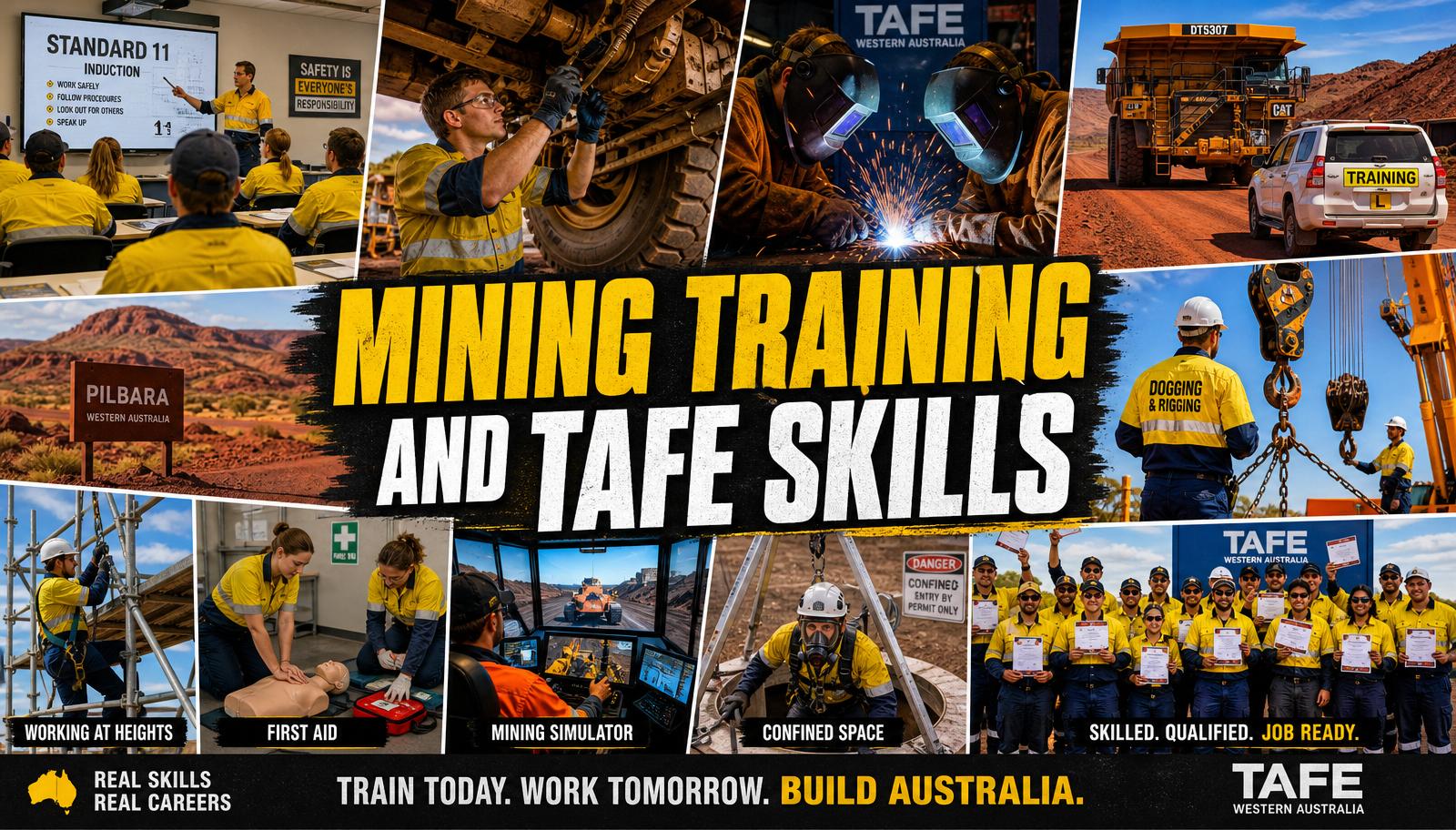
Before Australian tickets matter, your trade or professional qualification generally needs to be assessed by the relevant Australian authority. Once you have that and a visa pathway, the site tickets themselves — White Card, Standard 11, Working at Heights, Confined Space — are short, inexpensive courses you can complete on arrival.
Where the Jobs Are
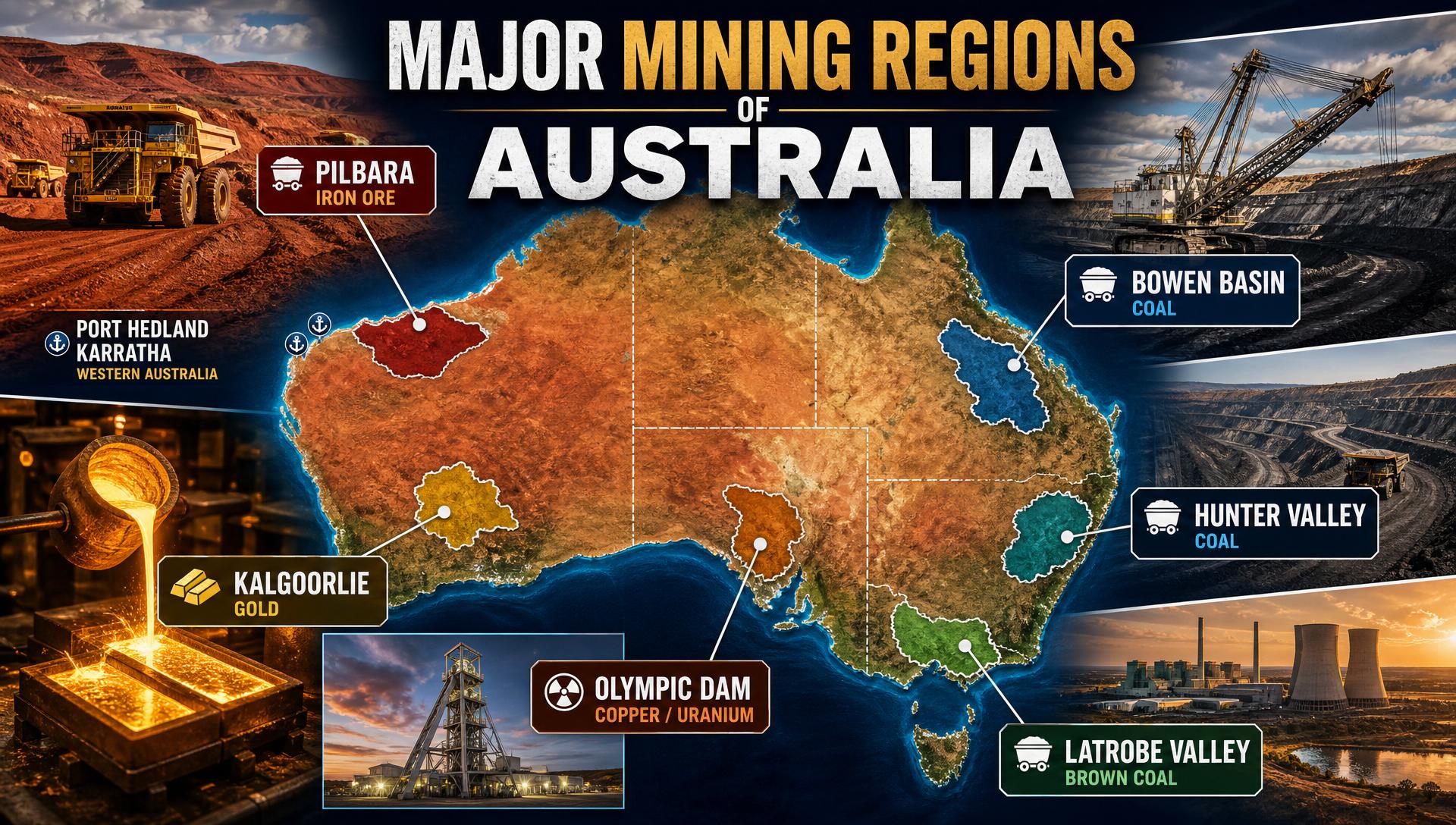
The Pilbara Iron Ore Belt, the Kalgoorlie Goldfields, the Queensland Bowen Basin, the NSW Hunter Valley, the Latrobe Valley and Olympic Dam in South Australia carry the bulk of Australian mine site hiring. Each region has its own commodity mix, roster culture and dominant employers, and our Region Guides map every one of them with towns, employers and a full deep-dive on getting hired locally.
The Tickets You Actually Need
Almost every Australian mine site entry role comes down to a short list of tickets: White Card, Standard 11 Surface or Underground Induction, a HR or HC Truck Licence, Working at Heights, Confined Space, Dogging or Rigging and a current First Aid certificate. Our Certification Guides explain what each one costs, how long it takes, who issues it and how employers weigh it.
FIFO Life, Rosters and Camp Reality
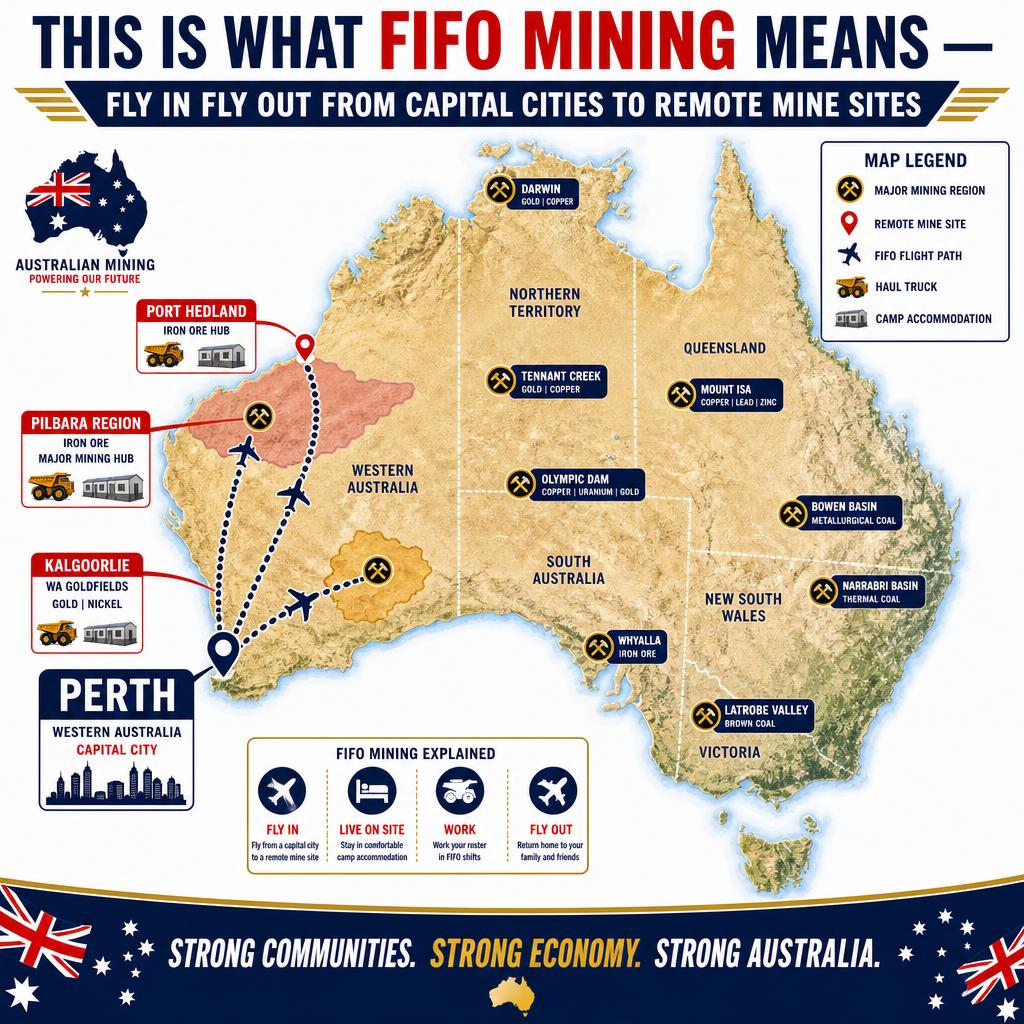
Most Australian mine site work is Fly-In Fly-Out from Perth, Brisbane, Adelaide or a regional hub, on rosters like 8/6, 2/1, 14/7 or even/time. The FIFO Guide covers flight paths, camp accommodation, food, gym and wet mess culture, packing lists, family separation and the mental health side of swing work.
Pay Ranges Without the Hype
Entry-level Haul Truck Operators, Trade-qualified Diesel Fitters, HV Electricians, Shot Firers, Supervisors, Mining Engineers and even Camp Chefs all sit on published, realistic pay bands. Our High Paying Mining Jobs section lists what each role genuinely earns per year and exactly what it takes to land one.

Start Here — The Best Guides on This Site
Frequently Asked Questions
Which occupations are most in demand?
Diesel fitters, boilermakers, HV electricians, auto electricians, fixed plant maintainers, metallurgists and mining engineers are the roles most frequently sponsored.
Do I need English testing?
Yes, for most skilled and sponsored visa routes. Australian mine sites are also safety-critical workplaces where clear radio communication is a genuine requirement.
Can I get an entry-level job from overseas?
Entry-level operator and utility roles are almost always filled locally. Overseas applicants have the strongest chance in trade-qualified and technical shortage occupations.