The Complete Guide to FIFO Utility Jobs: Your Backdoor Route into the Australian Mining Industry
Want to get into FIFO mining without a trade or heavy machinery experience? Discover how FIFO utility jobs can get you on site, what they pay, and how to land one.
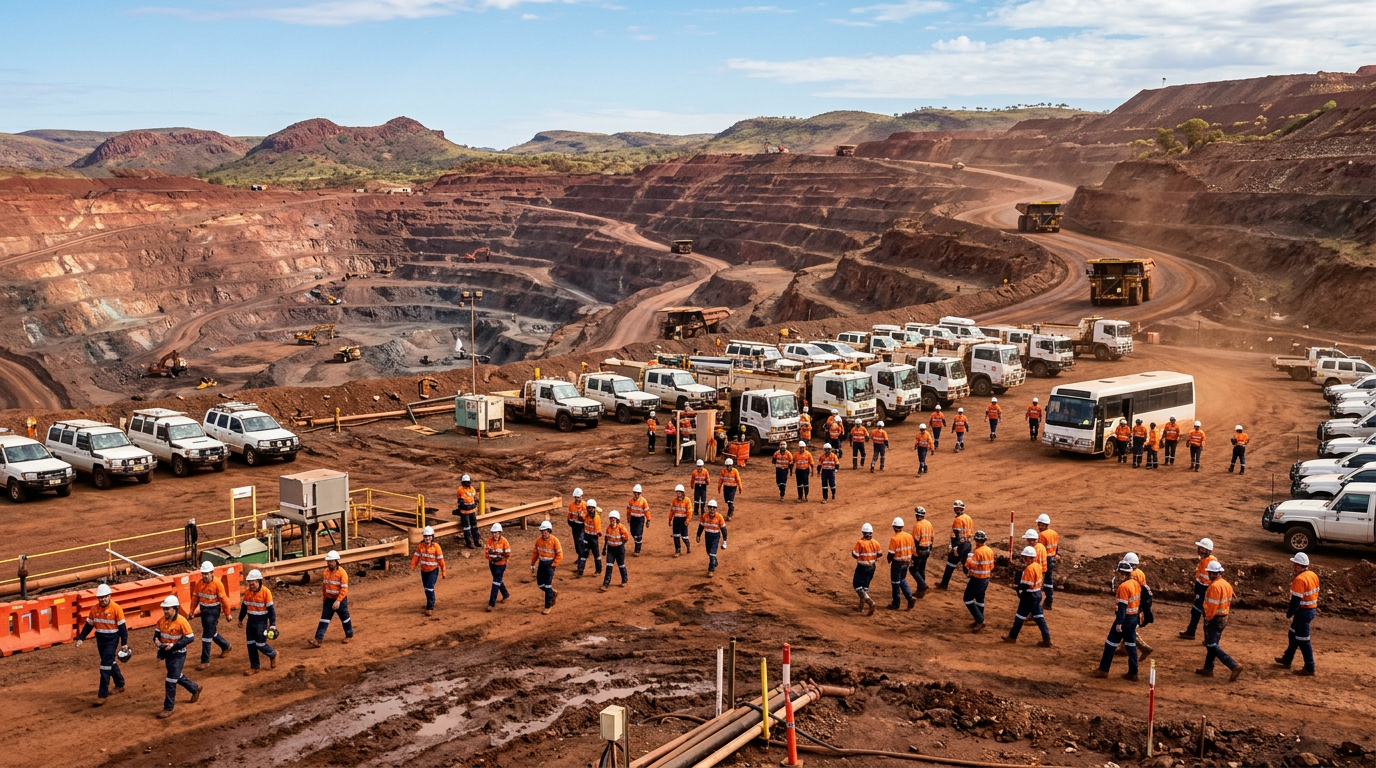
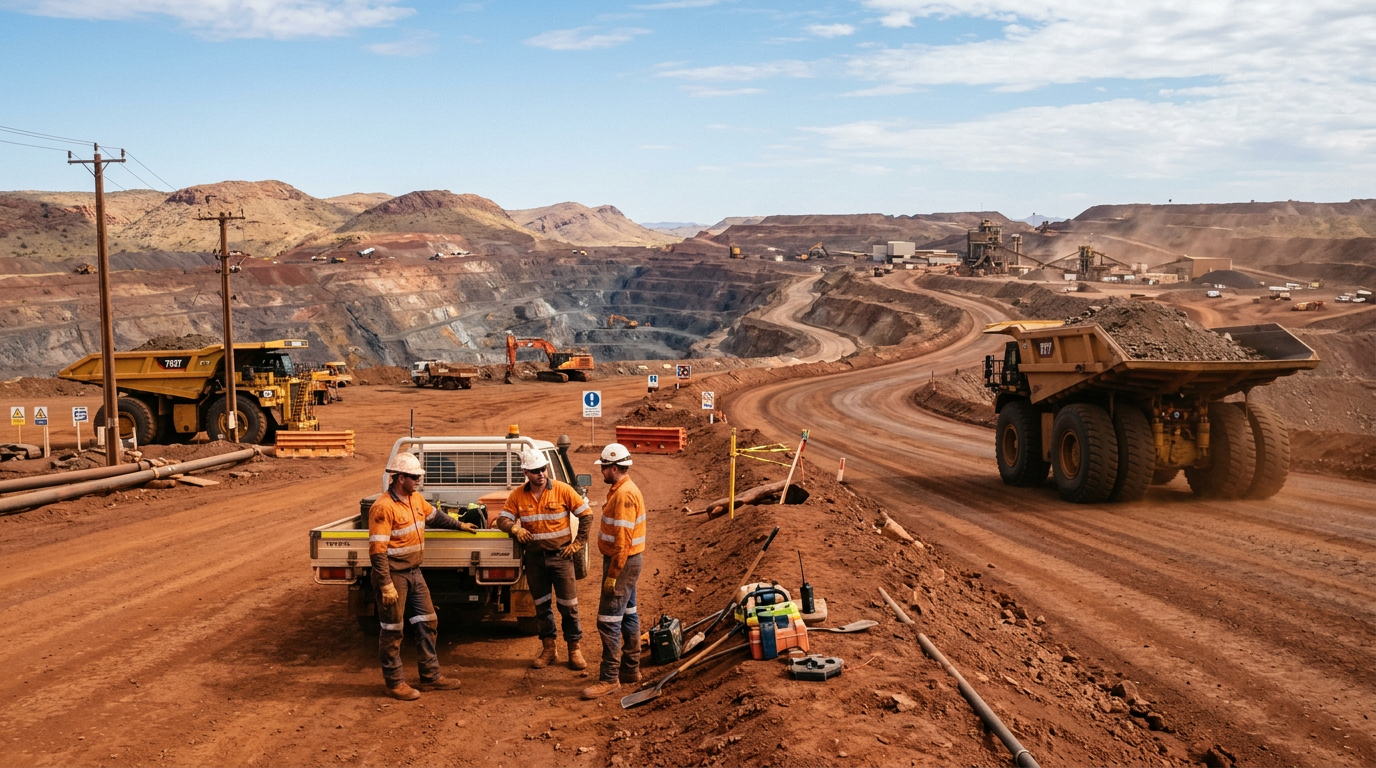
If you want to break into the lucrative world of fly-in, fly-out (FIFO) work in Australia but do not hold a trade, a mining engineering degree, or a heavy rigid truck licence, you are not out of luck. There is a massive parallel industry running alongside the actual excavation of minerals: camp services. Every single mine site in remote locations like the Pilbara, the Goldfields, or the Bowen Basin requires a fully functioning village to support hundreds or thousands of workers. This is where FIFO utility workers—often simply called 'utes'—come in.
What Is a FIFO Utility Worker?
If you want to break into the lucrative world of fly-in, fly-out (FIFO) work in Australia but do not hold a trade, a mining engineering degree, or a heavy rigid truck licence, you are not out of luck. There is a massive parallel industry running alongside the actual excavation of minerals: camp services. Every single mine site in remote locations like the Pilbara, the Goldfields, or the Bowen Basin requires a fully functioning village to support hundreds or thousands of workers. This is where FIFO utility workers—often simply called 'utes'—come in.
A utility worker is the ultimate all-rounder of the mining camp. Instead of working in the pit or the processing plant, you work within the accommodation villages. The role is highly varied and usually split into several key areas: housekeeping (cleaning dongas and common areas), catering (working as a kitchen hand, prep cook, or dining room attendant), bar and retail (managing the wet mess or camp shop), and groundskeeping (general maintenance, gardening, and waste management).
Unlike direct mining roles, which are run by resource giants like BHP, Rio Tinto, or Hancock Prospecting, utility roles are almost exclusively managed by major global facility management companies. Contractors like Sodexo, ESS (a division of Compass Group), ISS World, and Ventia employ thousands of utility workers across Australia. This distinction is crucial for job seekers because the hiring process, requirements, and entry pathways are completely different from those of traditional mining positions.
The Pay, Rosters, and Lifestyle Perks
Let us talk money and rosters, which are the main drawcards for any FIFO role. While utility workers are at the lower end of the mine site pay scale compared to diesel fitters or heavy equipment operators, the earnings still far outstrip equivalent roles in metropolitan hospitality or retail. Typically, an entry-level FIFO utility worker can expect an hourly rate between $28 and $36, depending on the contractor, the specific site, and whether you are employed casual or full-time. This translates to an annual salary ranging from $75,000 to over $95,000, often bolstered by overtime and penalty rates.
The rosters for utility workers can be demanding, with a 2:1 swing (two weeks on site, one week off) being the most common industry standard. Some contractors also offer 3:1, 9:5, or even 2:2 rosters, though equal-time rosters are rarer for entry-level service roles. You will be working long hours—usually 10 to 12 hours per shift—and you must be prepared to work both day and night shifts, as camp services operate 24 hours a day to cater to rotating mining shifts.
However, the real financial kicker of the FIFO utility lifestyle is the lack of living expenses. While you are on site, your flights from the designated capital city airport (such as Perth, Brisbane, or Adelaide), your private air-conditioned donga accommodation, all of your meals, gym access, and laundry services are fully paid for by the employer. This means your on-site living expenses are virtually zero, allowing you to save a significant portion of your take-home pay compared to living and working in a major city.
Essential Qualifications and Tickets for Utility Work
One of the biggest advantages of applying for utility roles is the relatively low barrier to entry. You do not need years of heavy industrial experience, but you do need a specific set of basic qualifications to make your application competitive. First and foremost is a manual C-class driver's licence. Many camp roles require driving light vehicles, buggies, or small trucks around the village, and many mining contractors will not look at an application if you only hold an automatic licence.
Next is a clean National Police Clearance, which must be less than three to six months old at the time of your application. Because you will have keys to workers' private dongas and access to high-value retail environments, employers are highly selective about background checks. Additionally, having a recognised Food Safety Certificate (Level 1) or a Food Handling Certificate is an absolute game-changer, even if you are not applying specifically for a kitchen role. Because utility workers are multi-classed, you might be cleaning rooms in the morning and helping out in the kitchen during the dinner rush.
If you want to work in the wet mess (the on-site tavern), you must hold a valid Responsible Service of Alcohol (RSA) certificate for the state in which the mine is located (usually Western Australia or Queensland). While not always mandatory, having a Construction First Aid certificate and a White Card (General Construction Induction) can also make your resume stand out from the pile of clean-skin applicants, as it proves you have a basic understanding of Australian workplace safety standards.
A Day in the Life: Housekeeping vs Kitchen Hand
To succeed in this industry, you need to shed any illusions that camp work is a holiday. It is highly physical, fast-paced, and repetitive labour. If you are assigned to housekeeping, your day will start early, often around 4:30 AM or 5:00 AM. You will be tasked with cleaning and prepping up to 25 to 30 dongas per shift. This involves stripping bed linens, sanitising bathrooms, vacuuming, dusting, and restocking tea and coffee stations, often in extreme outback temperatures that can exceed 40 degrees Celsius in summer.
If your roster places you in the kitchen or dining hall (known on site as the mess), you will work either as a kitchen hand or a dining room attendant. Kitchen hands are responsible for the heavy lifting: washing massive commercial pots, operating industrial dishwashers, prepping vegetables under the direction of the chefs, and keeping the kitchen spotless. Dining room attendants focus on keeping the buffet stations stocked, wiping down tables, and ensuring the crib room—where miners pack their lunches for the shift—is clean and fully supplied.
The physical toll of these roles should not be underestimated. You will be on your feet on hard floors for 12 hours a day, lifting heavy boxes, pushing laundry carts, and performing repetitive bending and reaching movements. However, the camaraderie among camp staff is notoriously strong. Because you live, work, and socialise together in remote environments, the bonds formed with your teammates are incredibly tight, making the long shifts far more manageable.
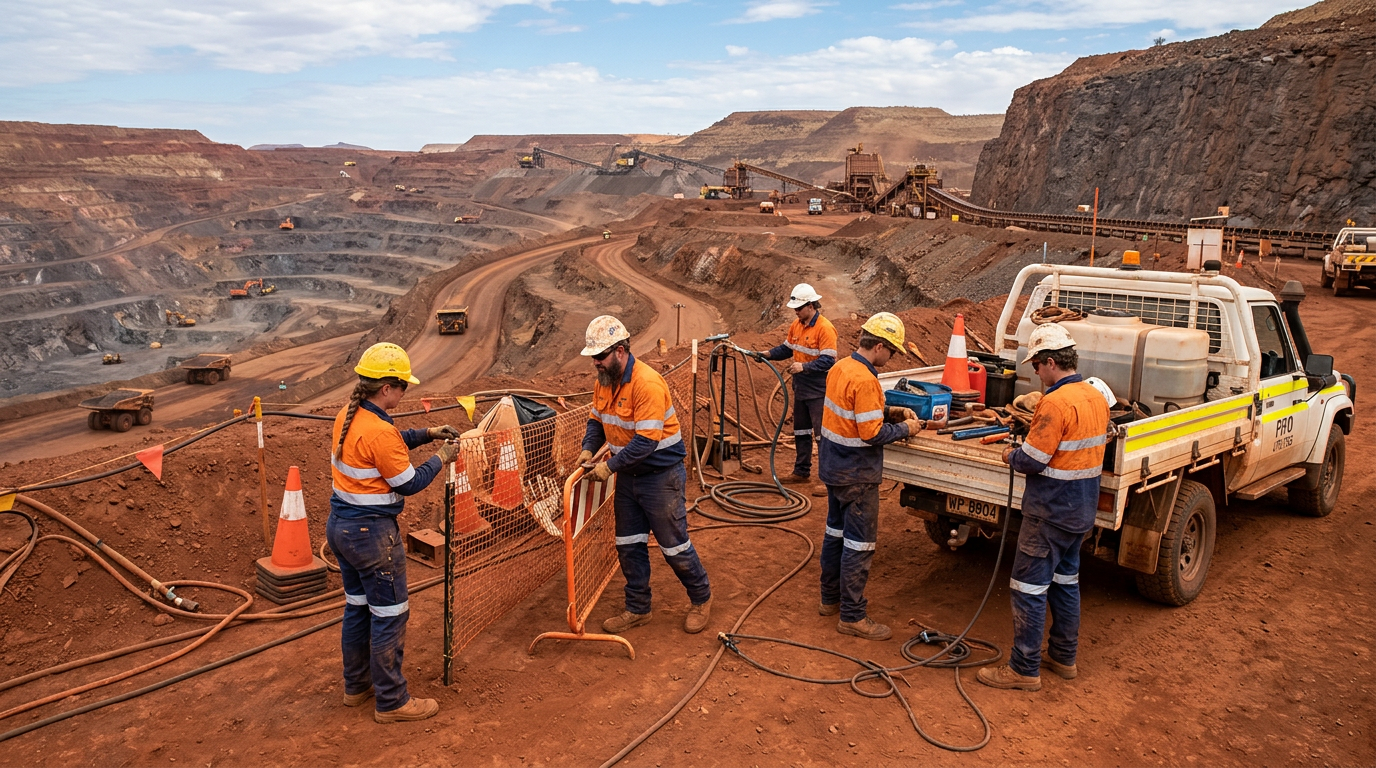
The Major Employers and How to Structure Your Resume
When applying for utility roles, you need to target the major facility management players. Compass Group's mining brand, ESS (Support Services Worldwide), is the largest provider in Australia, securing major contracts with BHP and Rio Tinto. Sodexo is another heavyweight with a massive footprint in Western Australia's Pilbara region. ISS World, Ventia, and Morris Corporation also hold significant contracts across various resource sectors. Applying directly through their corporate career portals is the most effective path.
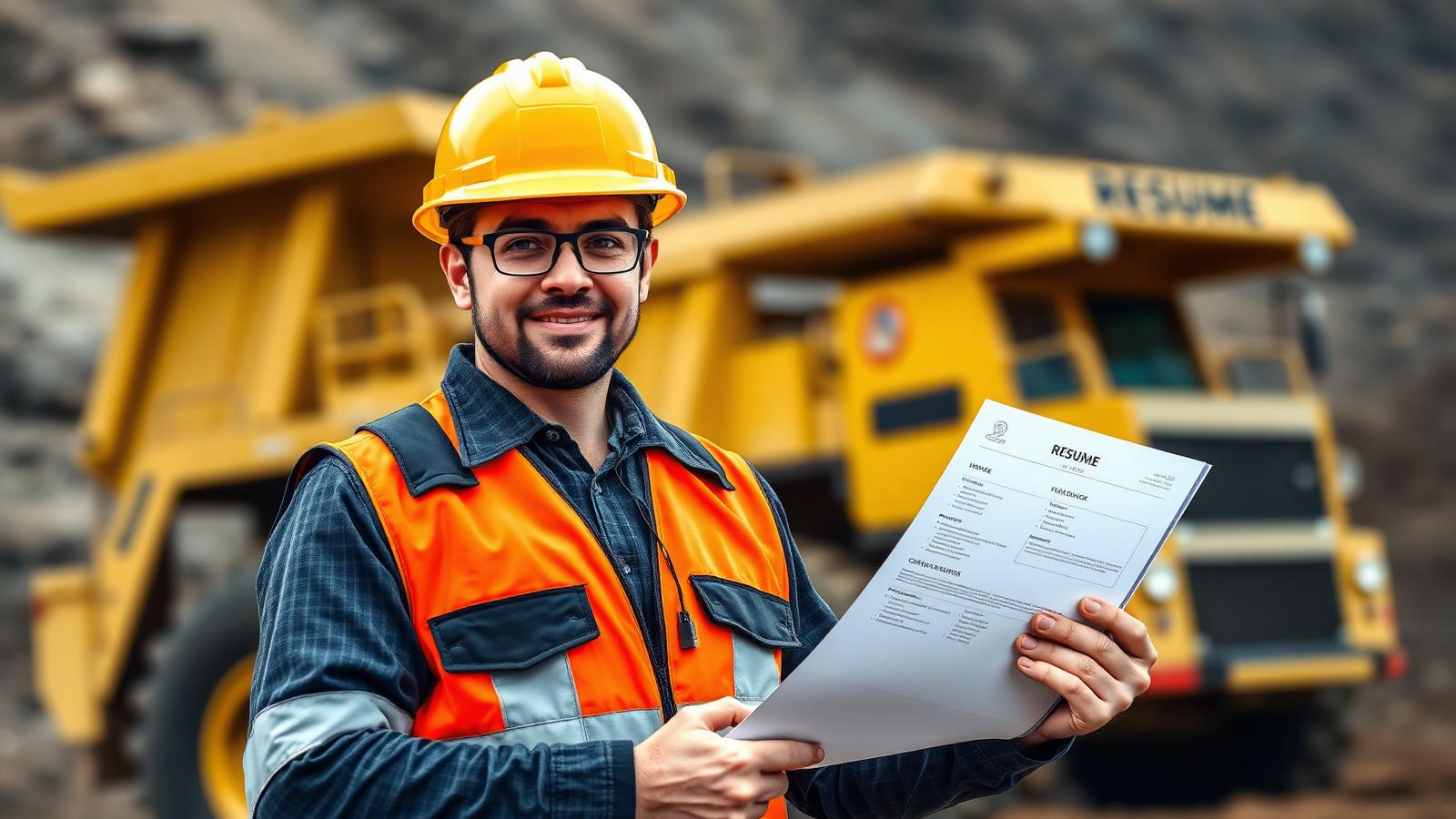
To get your resume past the automated Applicant Tracking Systems (ATS) used by these large corporations, you must tailor your work history. Highlight any previous experience in high-volume cleaning, commercial laundries, hospitality, fast food, warehousing, or retail. If you have worked in a busy suburban cafe, an industrial kitchen, or cleaned hotel rooms, these are highly transferable skills that recruiters actively look for. Frame your experience around reliability, safety compliance, physical stamina, and customer service.
Do not make the mistake of writing a generic resume that focuses on your desire to get into the mining industry. Recruiters for hospitality contractors do not care if you want to eventually drive a haul truck; they want to know that you will show up for your shift, follow safety procedures, and not walk off the job after three days of cleaning toilets. Emphasise your resilience, your ability to work in isolated environments, and your commitment to safety above all else.
How to Leverage a Utility Role into a Mining Career
For many, a utility job is not the end goal; it is a strategic backdoor entry into the mining sector. Getting that first FIFO break is notoriously difficult because mining companies prefer candidates with prior site experience. By working as a utility hand, you bypass the 'no site experience' paradox. You will quickly adapt to the FIFO lifestyle, get used to the rosters, pass the rigorous pre-employment medicals, and prove that you can handle the isolation of remote living.
Once you are on site, you have a massive advantage: physical proximity. During your off-shift hours or while working in the mess and wet mess, you will interact daily with drillers, blast crew, haul truck drivers, supervisors, and superintendents. This is your opportunity to build a network. Be polite, work hard, and make a good impression. Many utility workers have landed apprenticeships, drillers' offside roles, or entry-level operator positions simply by chatting with the right supervisor over breakfast or a pool table at the wet mess.
Furthermore, some resource companies and contractors look favourably on internal transfers or local hires who already have a clean site record. Showing that you have successfully completed a six-month stint as a utility worker without any safety incidents or performance issues is a massive green flag to mining recruiters. It demonstrates to potential employers that you are 'site-hardened,' understand site safety cultures, and are highly unlikely to quit due to homesickness.