Dogging Ticket (CPCCLDG3001)
3–5 days · $700–$1,200 · Required for: Doggers, rigger prerequisite, crane crew
Overview
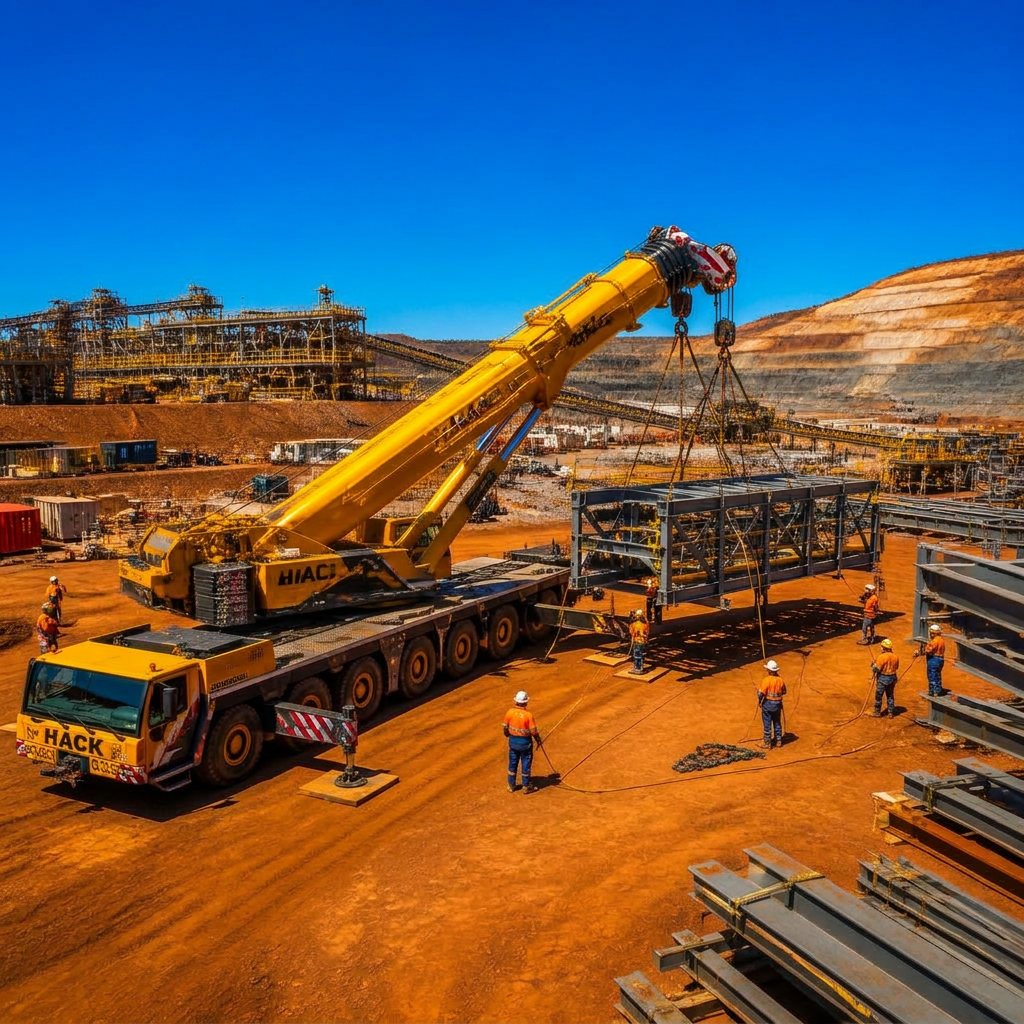
A Dogging Licence (CPCCLDG3001) is a High Risk Work Licence issued by SafeWork or the equivalent State Regulator and it's the entry point into the well-paid world of Lifting and Rigging on Australian mine sites. Doggers direct Crane Operators using standard Hand Signals or radio, select the correct Slings and Shackles for each load, Inspect Lifting gear before use, calculate load weights and Centres of gravity and ensure the lift Path is clear of people and Hazards. The course runs three to five days, blends Theory with Practical Assessment on a Live Crane, and Costs $700 to $1,200 at most RTOs. You must be Over18 and hold a White Card, and Pass a Written Exam plus a Supervised practical. Once you hold your DG ticket you can Immediately Earn a Premium Rate on Shutdowns, Plant Relocations, and Maintenance work . Its the Mandatory Pre-requisite before you can progress to Basic Rigging. Doggers are essential on every Heavy-lift crew, so Demand stays high ALL year-round, particularly during major shutdown windows in the Pilbara and Bowen Basin.
How to get your Dogging Ticket (CPCCLDG3001)
The Dogging licence (unit code CPCCLDG3001) is one of Australia's High Risk Work Licences (HRWL) regulated federally under Safe Work Australia and issued by each state's WHS authority — SafeWork NSW, WorkSafe VIC, WorkSafe QLD, WorkSafe WA (DMIRS), SafeWork SA, WorkSafe TAS, WorkSafe ACT, and NT WorkSafe. To be eligible you must be 18 or older, hold a current White Card, and provide 100 points of ID. The course typically runs three to five days at a Registered Training Organisation and includes classroom theory (load weight calculations, sling angles, centre of gravity, communication protocols, standard hand signals, lifting gear inspection, exclusion zones) plus a mandatory practical block using real cranes, chains, slings, and shackles. Assessment consists of a written knowledge test (30-plus multiple choice questions), a verbal question-and-answer session with the assessor, and a supervised practical where you'll rig different loads, direct a crane operator using hand signals and two-way radio, and inspect lifting equipment for defects. After successfully completing the course, the RTO submits your paperwork to the state WHS regulator, and you pay a separate government fee ($70–$120 depending on state) to be issued the physical HRWL card, which usually arrives within four to eight weeks. In the meantime, your Notice of Assessment issued by the assessor is legally sufficient to work on site. The licence is nationally recognised, does not expire, but must be surrendered and updated if you change your name or address.
Who to enquire with — training providers & employers
Top-tier RTOs delivering Dogging training include Access Training Centre (Perth and Karratha), Site Skills Training (Mackay), Southern Cross Training (Brisbane), Skilltech Consulting Services (Newcastle), and Australian Training Company (Melbourne). Mining labour hire agencies WorkPac, Programmed, Chandler Macleod, and One Key Resources maintain preferred-provider relationships with regional RTOs and can arrange discounted or subsidised training tied to placement offers. If you're already working in construction or industrial trades, ask your current employer to fund the ticket — most do, because a dogger multiplies the productivity of every crane crew. Major shutdown contractors including UGL, Monadelphous, Civmec, and CIMIC often run internal upskilling programs that bundle Dogging with Basic Rigging as part of a maintenance apprentice pathway.
Insider tips
Practise standard crane hand signals until they're second nature (AS 2550.1) — assessors fail candidates who fumble signals. Bring your own gloves, safety glasses, and steel-cap boots to practical days. And keep a personal logbook of lifts you've supervised — it's gold when applying for Basic Rigging and Advanced Rigging progression.