Trade Qualification (Cert III)
4 Year Paid Apprenticeship · Earn While you Learn Paid Apprenticeship · Required for: Diesel Fitters, Boilermakers, Auto Electricians, HD Mechanics
Overview
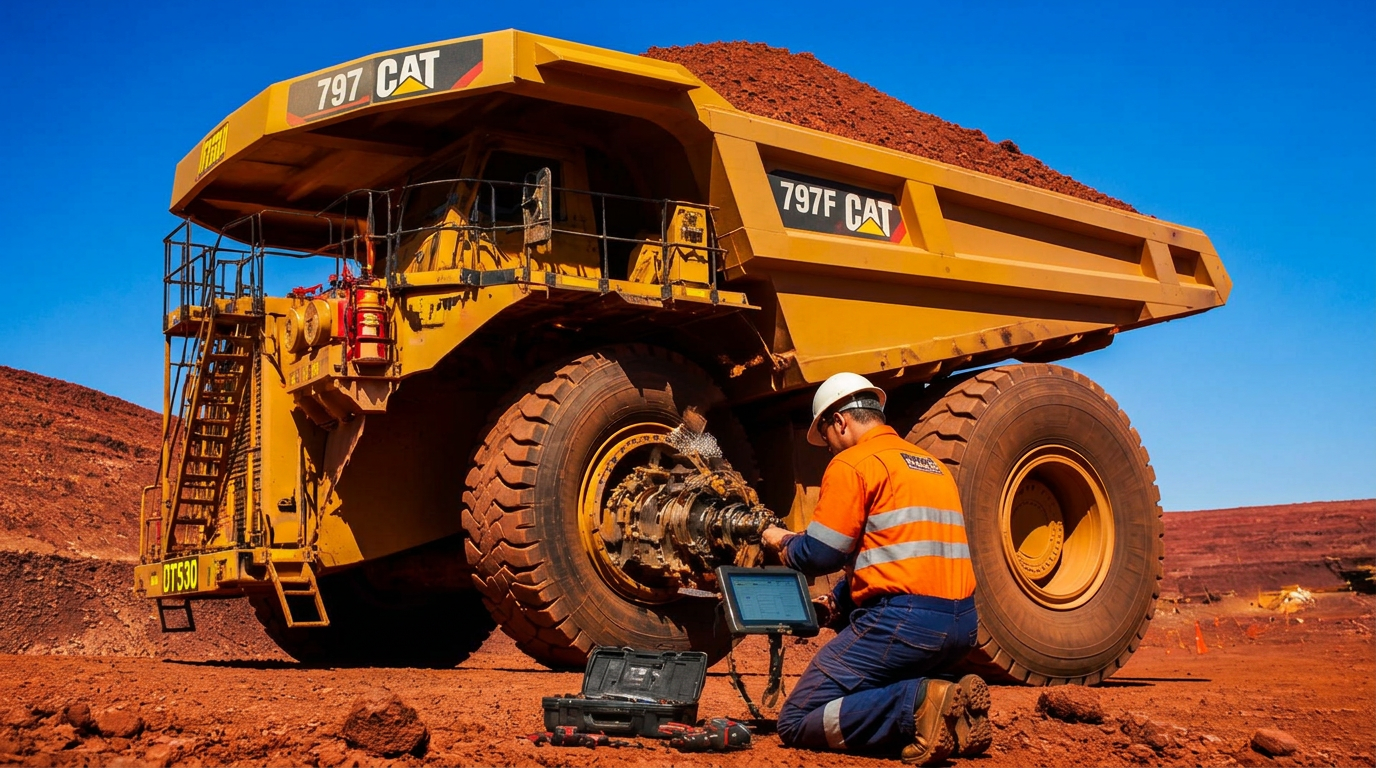
A Certificate III Trade Qualification is a Necessity for Skilled Mining Roles including Diesel fitters, Boilermakers, Auto Electricians, Heavy Duty Diesel Mechanics, High Voltage Industrial Electricians, and Instrumentation technicians. The pathway is a 4 Year Paid Apprenticeship combining structured on-the-job Hours with Block Release TAFE study resulting in a Nationally Recognised Cert III. Apprenticeships pay a Training wage during the Qualification and lead to some of the most consistent, Highest-Paid work in Australian Mining. Qualified FIFO trades routinely earn $150,000 to $220,000 Per Year! Plus 12% Australians Superannuation, Training Cost and Location Allowances plus Camp Accommodation. Overseas-trained Tradespeople must have their skills Recognised through Trades Recognition Australia (TRA) via the Offshore Skills Assessment Program or Job Ready Program, which typically involves document assessment, a technical interview, and Supervised Workplace Hours in Australia. Once Qualified add Additional Mining Related Certificates such as Fixed Plant / Mobile Plant maintenance, Hydraulics, Welding tickets (MMA, MIG, TIG, pipe positions) and Electrical High-Voltage switching to Specialise in Shutdown Work or Major Maintenance contracts. If you're young and considering the pathway, an Apprenticeship with a Tier One miner or a major contractor is the single most durable ticket in this whole list — Trades never go out of Demand!
How to get your Trade Qualification (Cert III)
A Certificate III trade qualification is a three to four year structured apprenticeship combining paid on-the-job hours (typically 32 hours per week) with formal TAFE study delivered in block release (one full week per month) or day release (one day per week). The core mining trades and their unit codes are Certificate III in Engineering Mechanical Trade (MEM30219) for fitters and boilermakers, Certificate III in Mobile Plant Technology (AUR31220) for HD mechanics and diesel fitters, Certificate III in Electrotechnology Electrician (UEE30820) for industrial electricians, Certificate III in Instrumentation and Control (UEE31220) for instrumentation technicians, and Certificate III in Auto Electrical Technology (AUR32120) for auto electricians. Entry pathways include school-based apprenticeships from Year 10 or 11, adult apprenticeships (any age, some employers prefer 21+), or direct sponsorship by a Group Training Organisation (GTO) that places you with a host employer. Training wages start at approximately $500–$700 per week in Year 1 and rise to $900–$1,300 per week in Year 4, plus tool allowance, travel to TAFE, and superannuation. On completion you receive a Certificate III (AQF Level 4) and a Journeyman/Tradesperson status recognised nationally. Overseas tradespeople apply through Trades Recognition Australia's Offshore Skills Assessment Program (OSAP) or the Job Ready Program (JRP) — expect a document review, technical interview, English proficiency (IELTS 5.0+), and 12 months supervised Australian workplace experience before qualification is confirmed.
Who to enquire with — training providers & employers
Direct-hire apprenticeship programs are run by every Tier 1 miner — BHP FutureFit Academy (Perth, Newman, Port Hedland), Rio Tinto Apprenticeship Program (Perth, Karratha, Tom Price), Fortescue Trade Academy (Perth, Port Hedland), Roy Hill Traineeships, and Newcrest Learning Academy. Major contractors including Monadelphous, UGL, Downer, Civmec, Broadspectrum, and CIMIC run their own apprentice cohorts hired through Group Training Organisations MEGT, MRAEL, HITT, and Kestrel Recruitment. TAFE providers delivering the technical study include North Metropolitan TAFE (Perth), Pilbara Institute (Karratha, Port Hedland, Newman), TAFE Queensland (Mackay, Emerald, Rockhampton, Gladstone), TAFE NSW (Hunter and Illawarra campuses), and Central Regional TAFE (Kalgoorlie). Post-qualification top-ups worth adding include welding tickets (MMA/MIG/TIG in flat, vertical, overhead, and pipe positions), high-voltage switching, fixed plant maintenance, hydraulics, and vibration analysis. These specialisations command premium rates during shutdowns at BHP Iron Ore, Rio Tinto, Fortescue, Woodside, and Chevron LNG operations.
Insider tips
Apply directly to Tier 1 miner apprenticeship intakes rather than through general TAFE enrolment — direct-hire cohorts have guaranteed placement, higher wages, and stronger career progression. Keep a photographic tool inventory for insurance. And prioritise welding position tickets after Cert III — pipe welders are the highest-paid trade specialisation in Australian mining.