Working at Heights
1 day · $180–$300 · Required for: Nearly all mine site trades
Overview
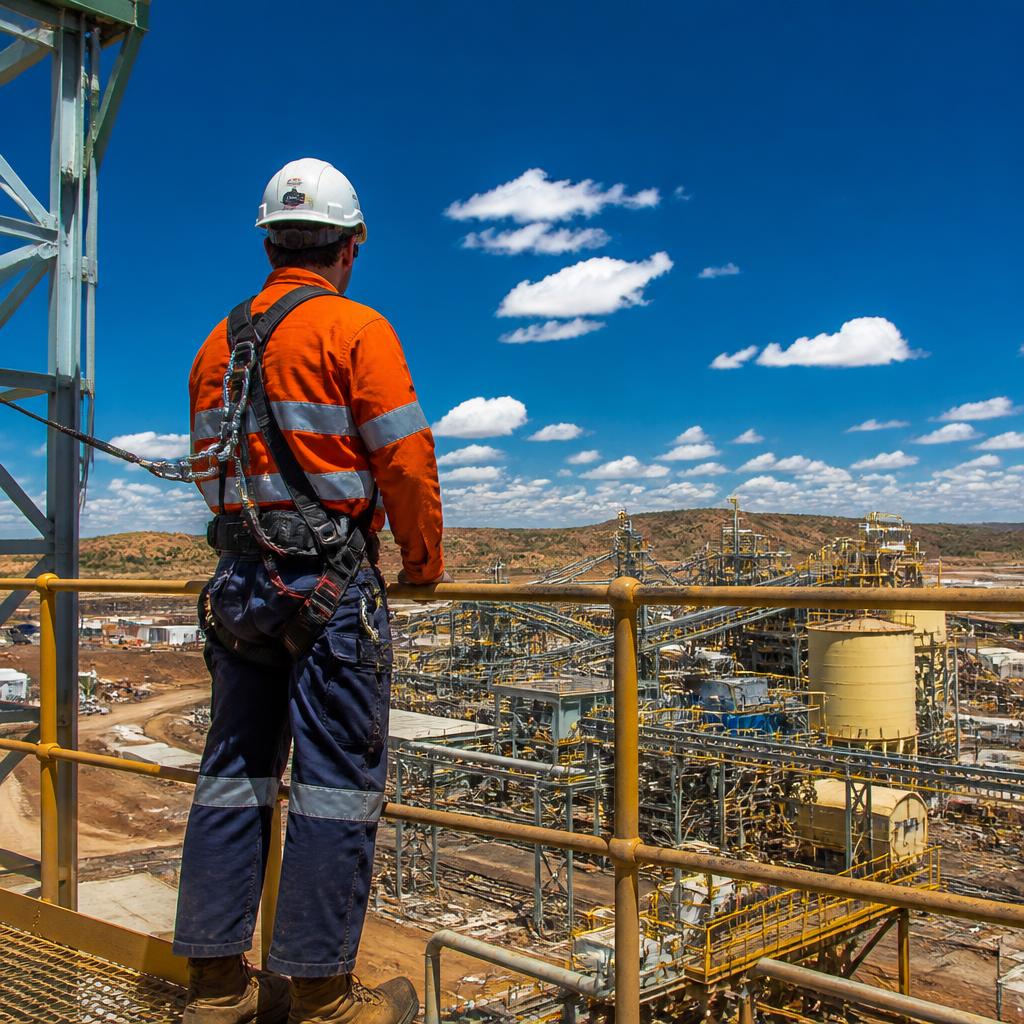
Working at Heights training (RIIWHS204E or equivalent) is a Single-Day Nationally Recognised unit that Qualifies You to work anywhere there's a Risk of Falling two metres or more — which on a Mine site Means almost everywhere. You'll cover the Structure of controls, Fall Arrests versus fall Restraint systems, Harness selection and pre-use Inspection, Anchor Points and Rated attachment, edge Protection, ladder Safety, Elevated work platforms, and rescue planning. Practical Assessments include correctly wearing a full-Body Harness, connecting to an Anchor, performing a Suspended Rescue and Inspecting Equipment for Defects. Cost sits between $180 and $300 at most RTOs and the ticket is required for Boilermakers, Riggers, Scaffolders, Electricians, Painters, Cleaners, Structural workers and pretty much anyone climbing on plant. Refresh is typically every two years, and Many Employers also require an annual toolbox review of your harness and lanyard. Because Heights Work carries elevated fatality risk, sites take this ticket seriously! Expect random audits of your harness Inspection Tag and Rescue plan. It's cheap, Quick, and effectively Mandatory for climbing Anywhere above Ground level.
How to get your Working at Heights
Working at Heights (WAH) certification is delivered under nationally recognised unit codes RIIWHS204E (Work Safely at Heights, resources sector) or CPCCCM2012 (construction sector) depending on the RTO's scope. A single training day covers legislative duties under the Work Health & Safety Act, hazard identification, the hierarchy of controls (elimination, substitution, engineering, administrative, PPE), fall restraint versus fall arrest system selection, harness types and inspection tags, anchor point rating and load calculations, lanyard and shock-absorber selection, edge protection, ladder safety, elevated work platform pre-use, exclusion zones, and — critically — rescue planning and suspension trauma awareness. Practical assessment requires you to correctly don a full-body harness (buckles, leg loops, chest strap, dorsal D-ring), inspect webbing for cuts and UV damage, connect to a rated anchor, use a fall-arrest lanyard, and demonstrate a suspended-worker rescue using a rescue kit or aerial lift. Written and verbal assessments follow. There are no formal prerequisites, no medical requirement, and no minimum age beyond 16 at most RTOs, but you must be physically capable of wearing a 6–8 kg harness and climbing a ladder. Cost sits between $180 and $300, and the Statement of Attainment is issued the same day. Although the qualification does not legally expire, industry best practice — and every Tier 1 miner's site standard — requires a refresh every two years and an annual documented harness inspection.
Who to enquire with — training providers & employers
Recommended RTOs include Site Skills Training (national), AlertForce (national), Australia Wide First Aid (also offers WAH), Height Safety Engineers (WA), Ferntree Gully-based Total Rope Solutions (VIC), and Safeway Training (SA/NSW). For structural steel and shutdown pathways, MTC Training and Access Training Centre bundle WAH with Confined Space and rescue training in three-day packages that save time and money. Employers that routinely fund WAH refreshers include Monadelphous, UGL, Downer, Civmec, Broadspectrum, Programmed, WorkPac, and every Tier 1 miner (BHP, Rio Tinto, Fortescue, Roy Hill, Newcrest, Northern Star). Height access specialists including Total Rope Solutions, Rope Access Australia, and IRATA-affiliated providers offer stackable pathways from WAH through to industrial rope access (IRATA Level 1–3), which unlocks premium daily rates on complex maintenance work.
Insider tips
Photograph your harness inspection tag every quarter as evidence for site audits. Store your harness out of direct sunlight — UV degradation is the number one reason harnesses fail inspection. And always carry a documented rescue plan template on your phone; sites audit for it randomly.